

 Español
 عربى
عربى

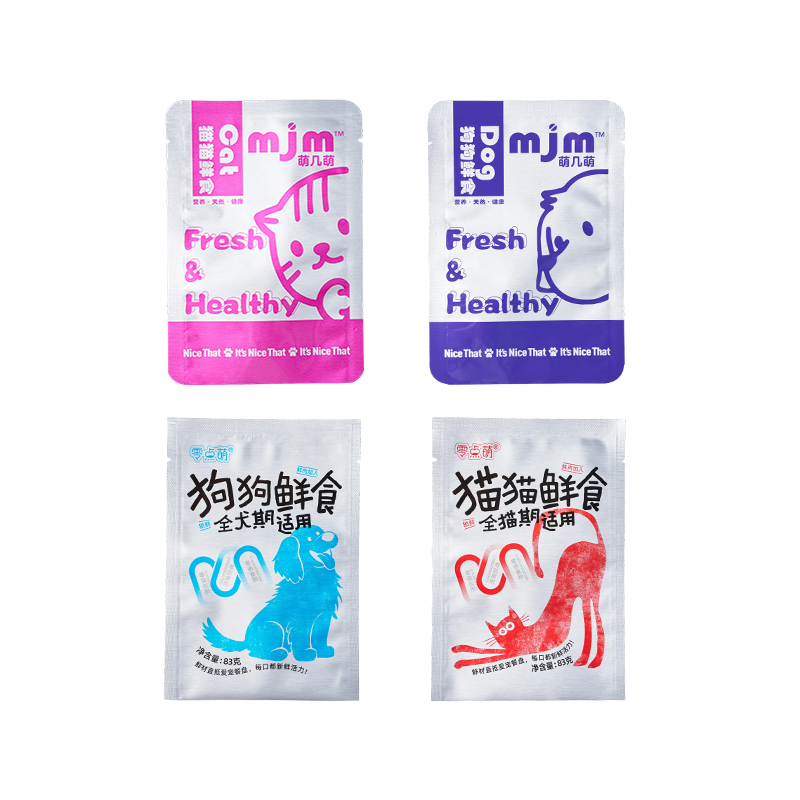
A self-sealing bag has a simple mechanism: two strips of adhesive, one on each side of the opening, that press together and hold. No heat sealer. No twist tie. No clip. The user presses the strips together and the bag closes. It opens with a pull. For packaging small parts, food, hardware, and crafts, the self-sealing bag is the standard because the closure is built into the bag itself.
The Adhesive That Does the Work
The closure is a strip of pressure-sensitive adhesive applied to the inside of the bag opening. The adhesive is formulated to stick to itself, not to the bag contents. When the user presses the strips together, they bond. When the user pulls them apart, they release without tearing the film.
The adhesive quality separates a good self-sealing bag from a frustrating one. A weak adhesive opens in transit. A strong adhesive that sticks to the contents coats the product with residue. A self-sealing bag with properly formulated adhesive holds the closure through handling and releases cleanly.
The adhesive also has to keep working after repeated opening and closing. A self-sealing bag that is opened and closed ten times should still seal on the eleventh. The adhesive strips are the product. If they fail, the bag is just a bag.
The Film and the Flap
The bag is made from polyethylene or polypropylene film. PE is soft and clear. PP is stiffer and clearer. A self-sealing bag for food uses food-grade PE. A bag for hardware uses a heavier gauge for puncture resistance.
The closure flap folds over the opening. The adhesive sits on the inside of the flap and on the body of the bag. When the flap folds down, the two adhesive strips meet. A self-sealing bag with a properly aligned flap closes straight. A misaligned flap leaves gaps.
The film thickness is matched to the bag size and the contents. A small bag for jewelry uses thin film. A large bag for bolts uses thick film. A self-sealing bag with the right gauge holds its contents without tearing at the corners.
Here is what a self-sealing bag needs to deliver:
- Pressure-sensitive adhesive that bonds to itself
- Clean release without residue on the contents
- Repeated open-close cycles without losing tack
- Proper film gauge for the bag size and contents
- Aligned flap for a straight seal
Where the Bags Get Used
Hardware and fastener packaging uses self-sealing bags for screws, bolts, and washers. The bag holds the parts. The seal keeps them in. The customer opens and closes the bag as they use the parts.
Food packaging uses self-sealing bags for candies, nuts, and baked goods. The seal keeps the product fresh for the short term. A self-sealing bag for food is not a long-term barrier package, but it is fine for products that move fast.
Craft and hobby packaging uses self-sealing bags for beads, buttons, and small components. The clear film shows the product. The seal keeps small parts from spilling.
What Goes Wrong on a Cheap Bag
The adhesive dies after one opening. The bag will not reseal. A self-sealing bag with quality adhesive holds through repeated use. The adhesive sticks to the contents and leaves residue. The formulation was wrong. A self-sealing bag with the right adhesive releases cleanly.
The flap tears at the fold line from repeated opening. The film was too thin at the hinge. A self-sealing bag with a reinforced fold survives the use.
A self-sealing bag is a package and a closure in one. The adhesive holds. The film protects. Choose a bag with adhesive that seals and releases, film that matches the contents, and a flap that aligns. The bag closes with a press and opens with a pull. That is the entire job.