

 Español
 عربى
عربى
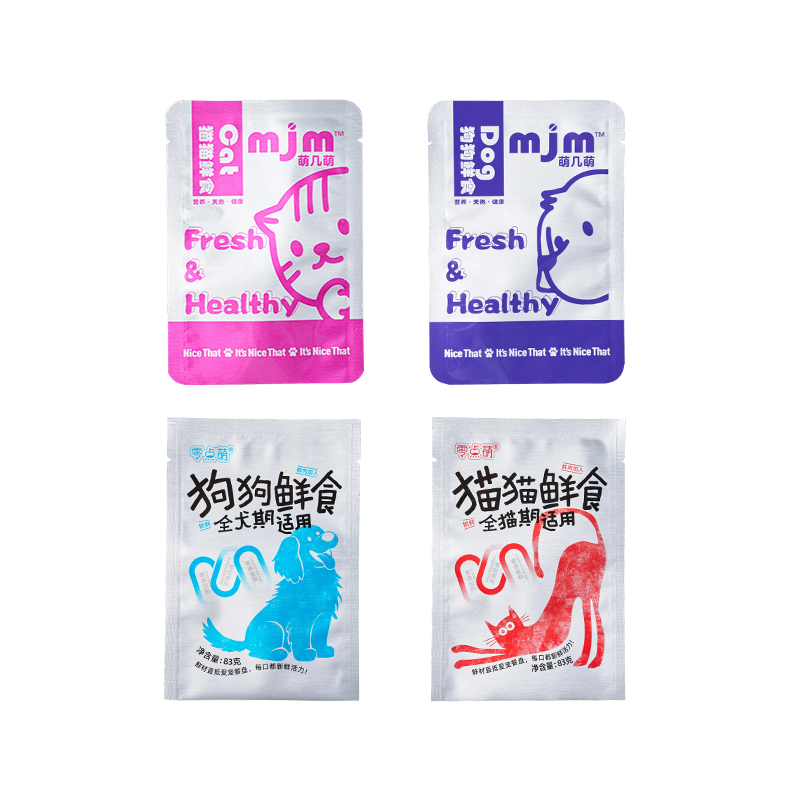
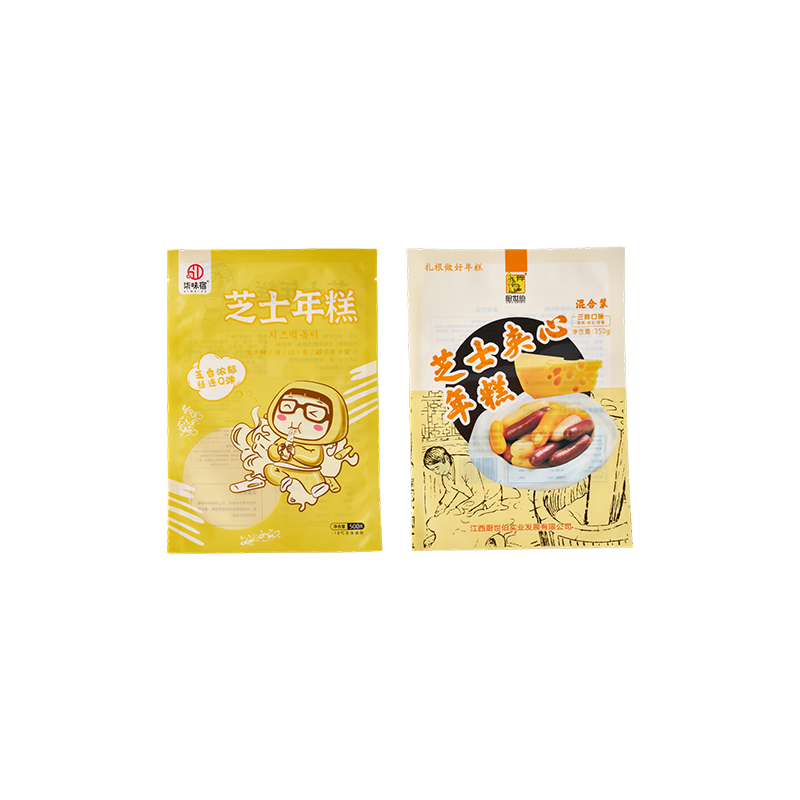
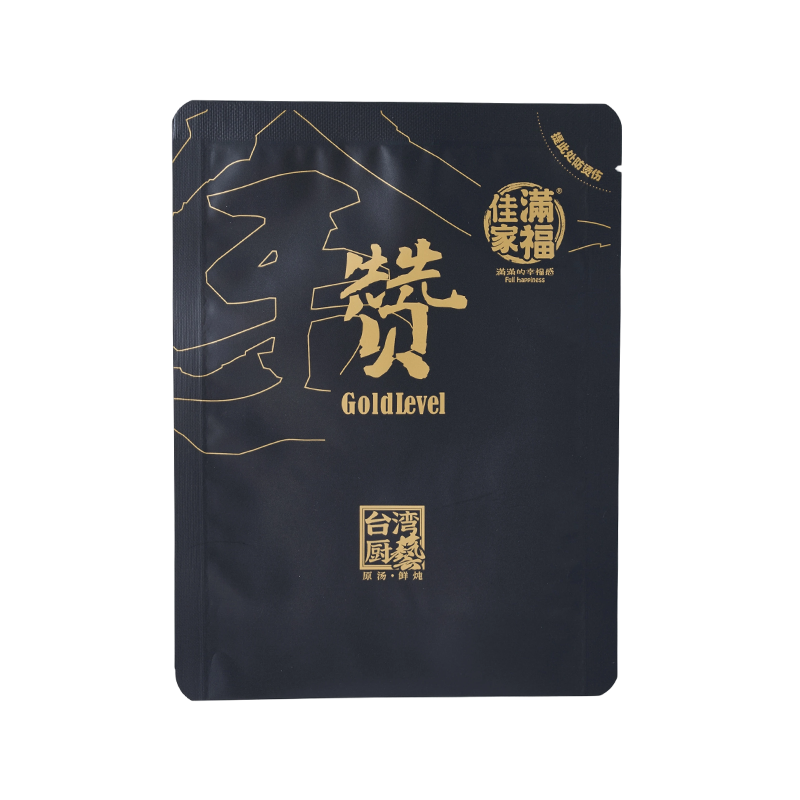
A aluminum foil retort pouch is filled, sealed, and then cooked inside a pressure vessel at 121 degrees Celsius. The food cooks in the package that will hold it on the shelf for a year. That is the whole idea, and it puts unusual demands on the film, the seal, and the lamination. The package has to survive the same heat that cooks the product.
Foil Buried in the Middle of the Laminate
The pouch is a multi-layer sandwich. Printed polyester on the outside. Aluminum foil in the middle, 7 to 12 microns thick. Cast polypropylene on the inside, the layer that touches the food and heat-seals. Each layer has a job. The foil blocks the light and the oxygen. The polypropylene seals and protects the food contact.
Oxygen turns the fats rancid and fades the color. Light breaks down the vitamins. The foil stops both completely. An aluminum foil retort pouch with the foil layer delivers twelve to twenty-four months of shelf life depending on the product.
The Seal Holds Through the Retort
The pouch is sealed before it goes into the retort. The seal has to hold through the pressure cook, the cooling, the distribution, and the consumer reheating the pouch in boiling water. A seal that weakens after the retort leaks in the customer's kitchen.
The seal strength is a function of the temperature, the pressure, and the dwell time on the sealing bar. The manufacturer that controls all three and tests the seal with the dye penetration or the burst test catches the leakers before they ship.
The Adhesive Has to Take the Heat
The layers are bonded with an adhesive. The retort temperature of 121 degrees Celsius is the test. An adhesive that softens at that temperature delaminates the laminate and the foil separates from the polypropylene. The barrier fails and the pouch bulges.
The right adhesive grade holds through the retort and the shelf life. The manufacturer who specifies the adhesive for the retort, not for the general packaging, builds the pouch that survives.
Here is what the pouch has to get right:
- Foil layer of 7 to 12 microns for the light and the oxygen barrier
- Cast polypropylene inner layer with the seal strength at retort temperature
- Laminate adhesive that resists delamination through the retort
- Seal integrity verified with the dye or the burst test
- Tear notch or spout for the consumer opening
- Format matched to the product
The Shape Follows the Food
The stand-up pouch with the bottom gusset holds the curries and the stews. The flat three-side-seal pouch holds the rice and the beans. The spouted pouch holds the soups and the drinks. The format is chosen for the way the consumer uses the product, not for the way the machine runs.
The Leaker That Leaves the Plant
A channel leak along the seal edge lets the bacteria in after the retort. The product looks fine and is no longer sterile. The pouch that passes the visual inspection and fails the burst test is the one that reaches the customer. The manufacturer that tests the seal on every batch, not on the sample, ships the pouch that holds.
An aluminum foil retort pouch is cooked after it is sealed. The foil blocks the light. The polypropylene seals the food. The adhesive holds the layers. Choose a manufacturer that builds the laminate for the retort and tests the seal.