

 Español
 عربى
عربى
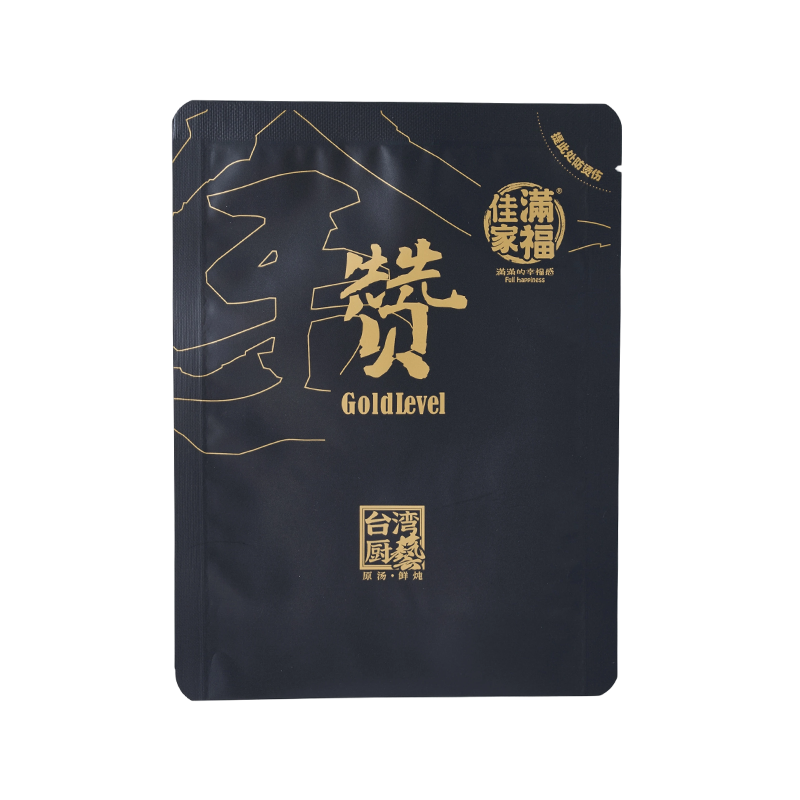
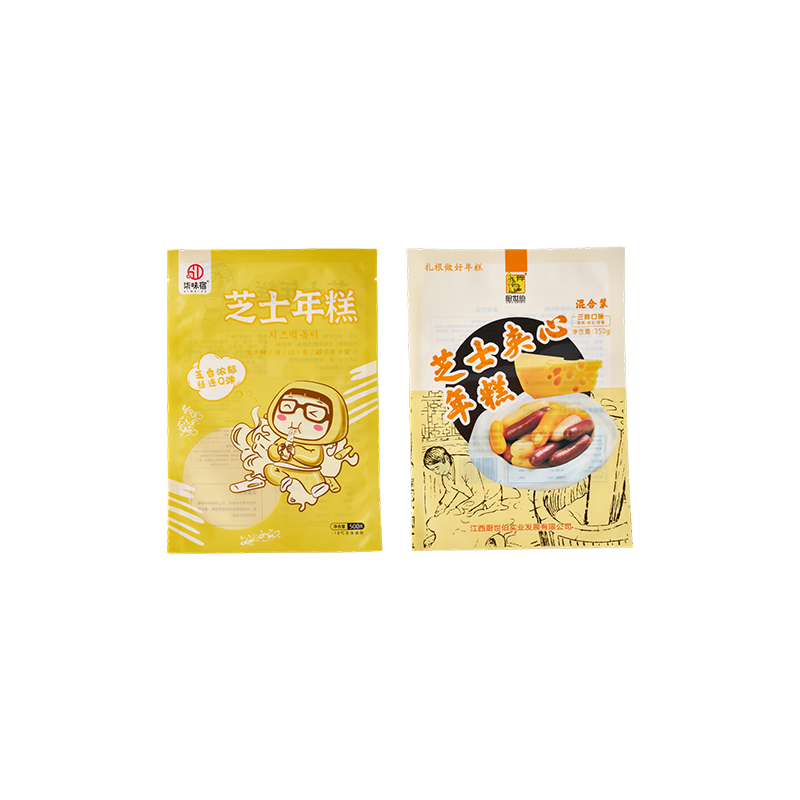
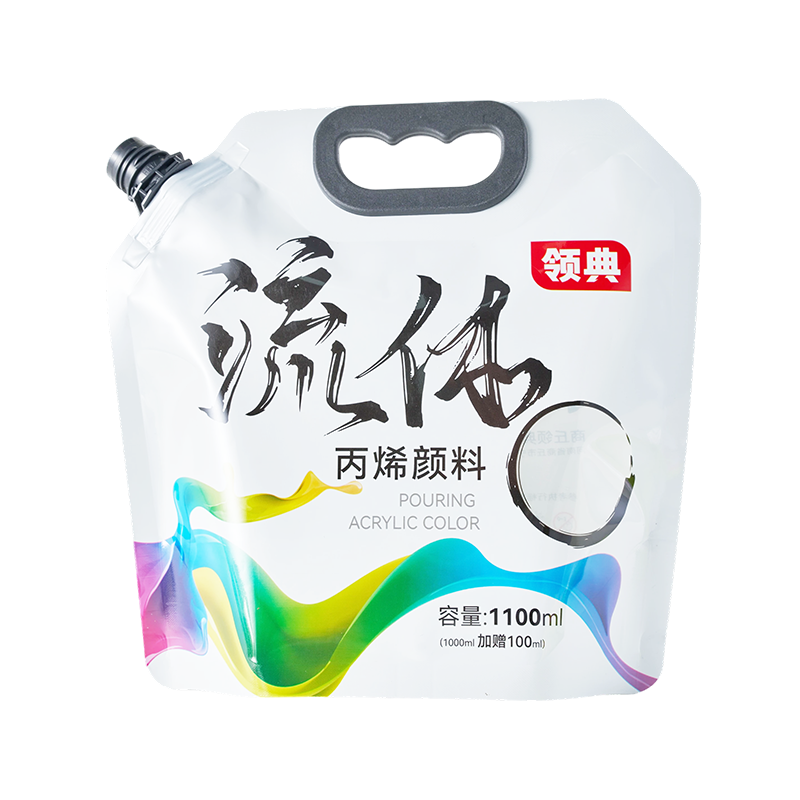
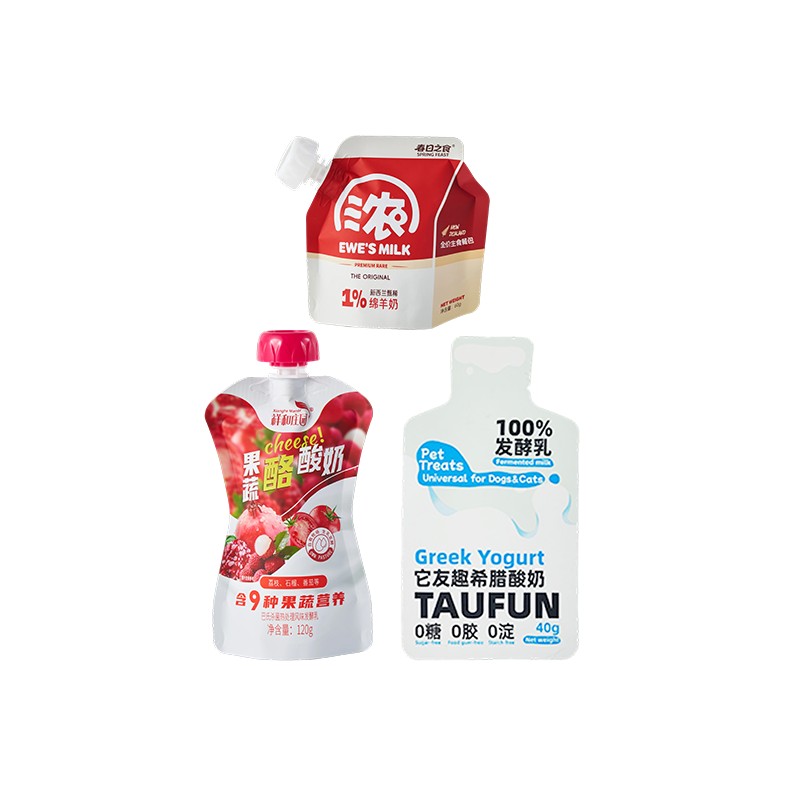
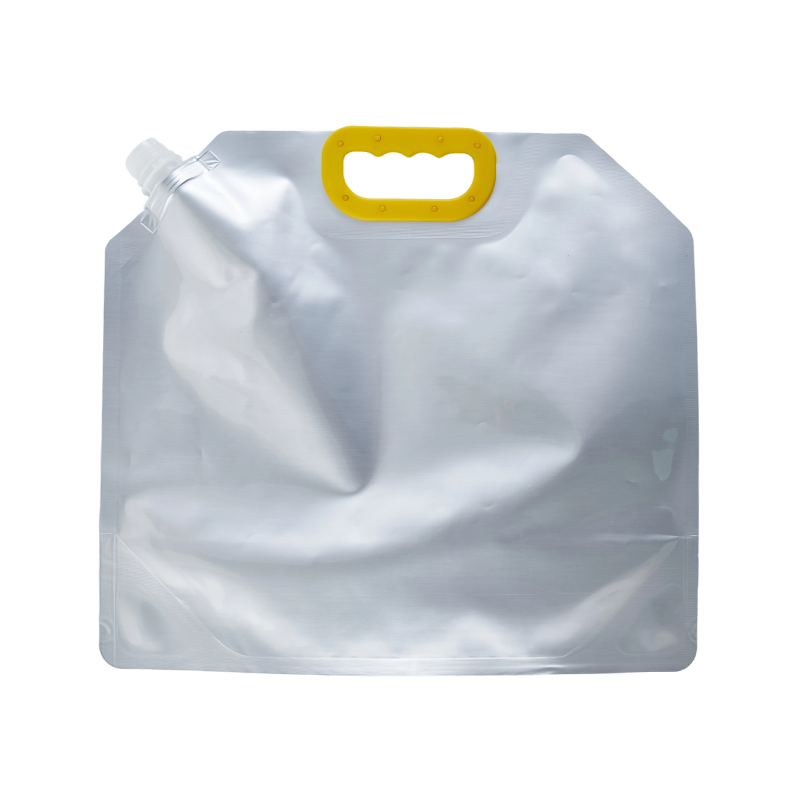
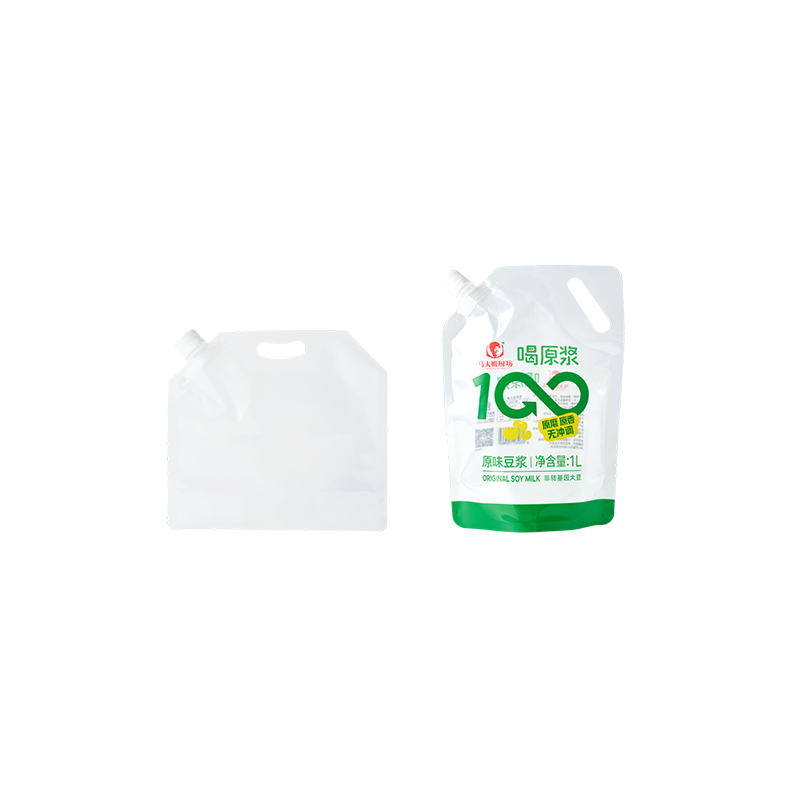
A aluminum foil retort pouch is filled, sealed, and then cooked inside a pressure vessel at 121 degrees Celsius. The foo...
READ MORE +-
 +86-13587951391
-
 [email protected]
 2nd Floor, Building B, No. 1088, Shidai Avenue, Longgang City, Wenzhou, Zhejiang Province, China.

Product Categories
-
Mid Seal Bag (12)
-
Spout Pouches (10)
-
Stand Up Bag (6)
-
Plastic Printed Film Roll (2)
-
Special-Shaped Bag (8)
-
Self-Sealing Bags (12)
-
Paper Pouches (3)
-
Aluminum Foil Retort Pouches (7)
-
Laundry Detergent Spout Pouches (2)
-
Printing Toy Packaging Bags (3)
-
Custom Meat Packaging Bags (3)
-
Face Mask Packaging Bags (1)
-
Blank Packaging Bags (7)
-
Frozen Prefabricated Food Packaging Series (5)
-
Pet Food Packaging Bags (4)
-
Wall Tile Decoration Sticker (137)
-
Kitchen Oil-Proof Stickers (78)
Recent Posts
Shenhong
We are a comprehensive manufacturing enterprise integrating flexible packaging design, printing, lamination, and bag making services.
Contact UsSpecial-Shaped Bag
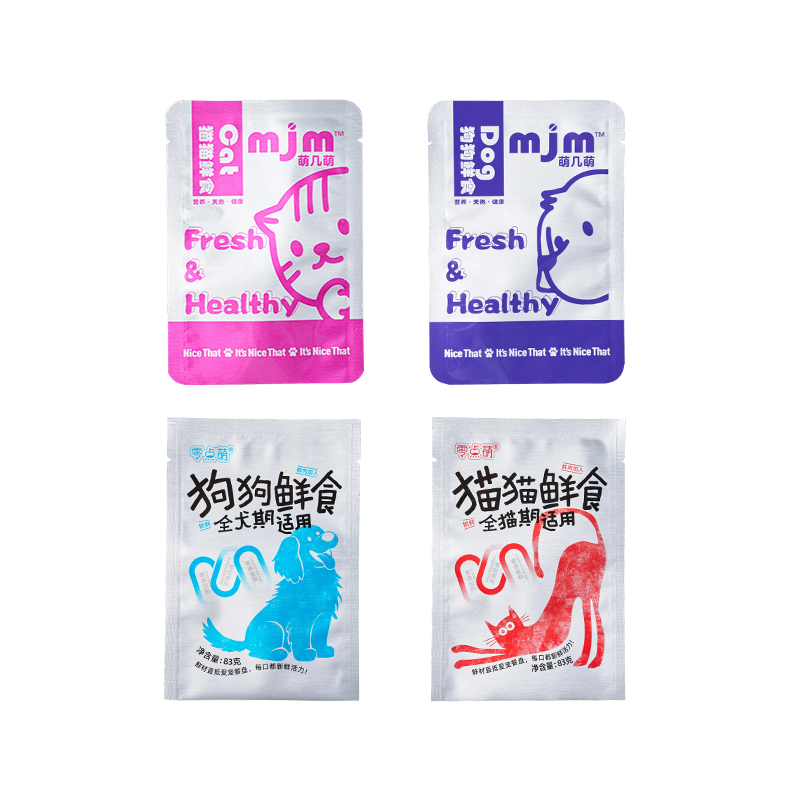
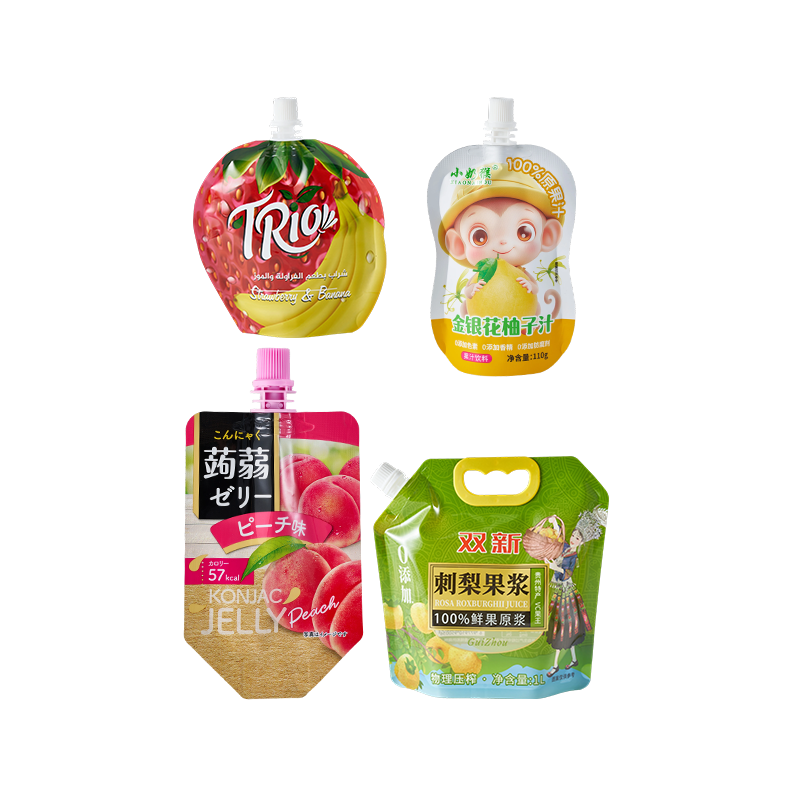
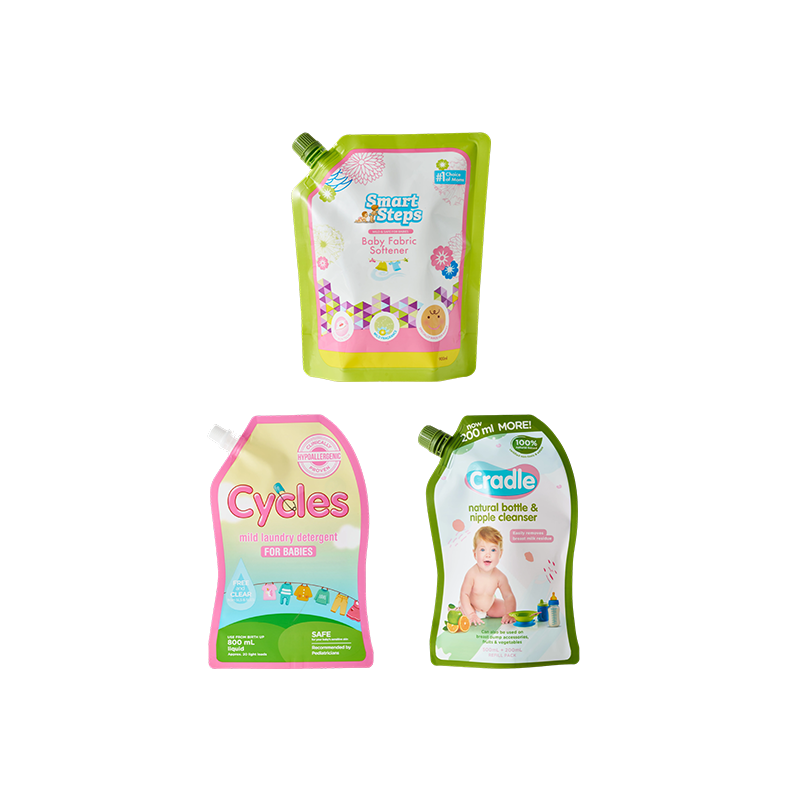
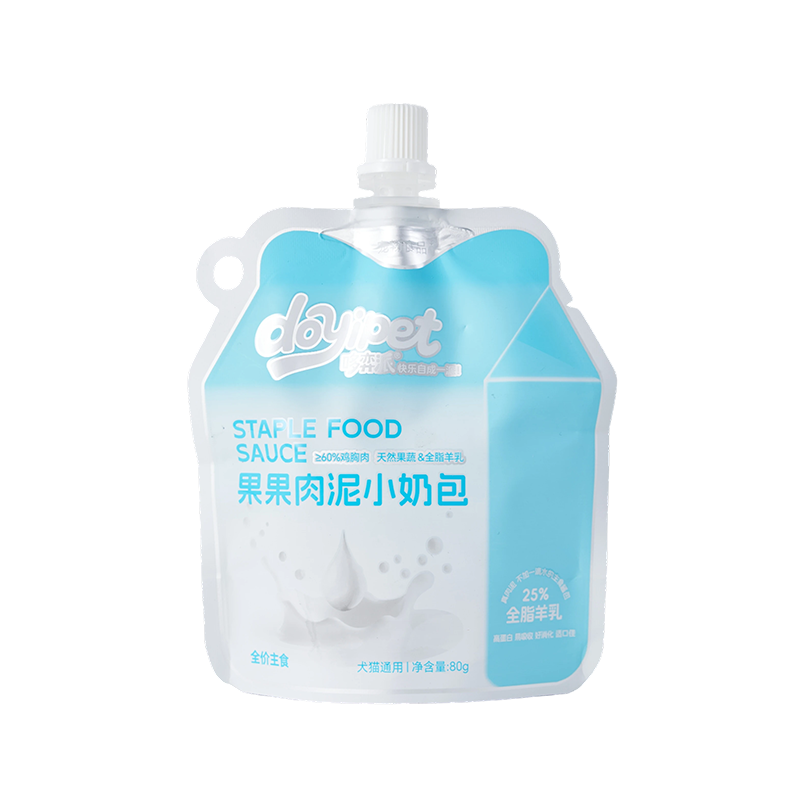
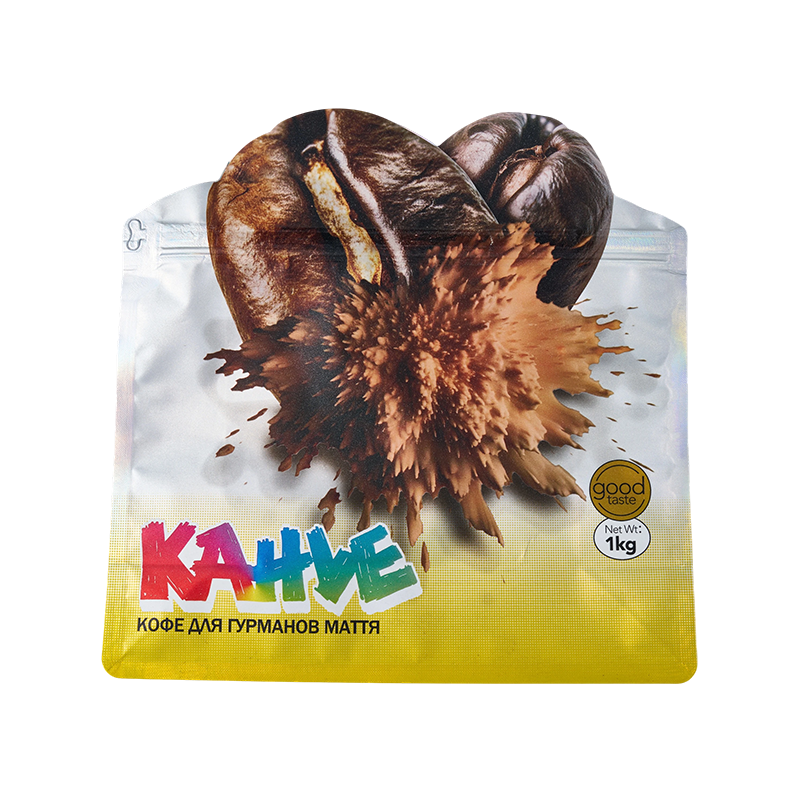
Shaped pouches can be customized according to the product’s form to highlight unique features and create differentiation from competing items, enhancing shelf appeal. Functionally, they support options such as a stand-up bottom, zipper closure, and tear notch, and can be tailored to specific requirements. They are suitable for snacks, pet products, and various other packaged goods.
About Us
Shen Hong Printing Co.,Ltd.
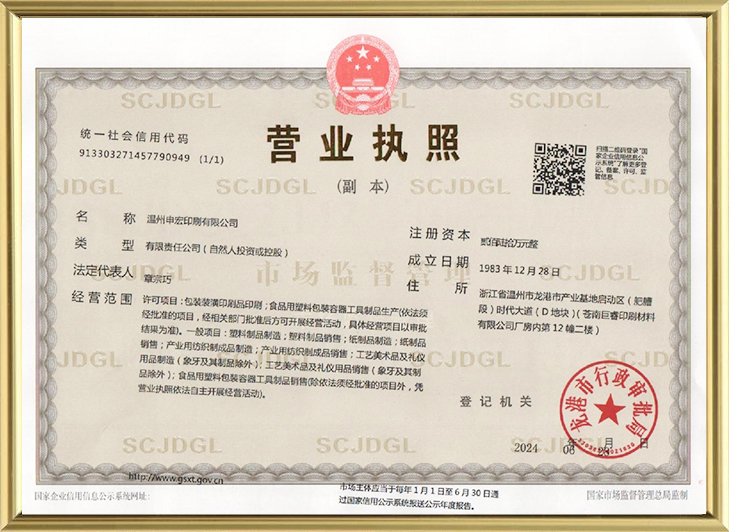
Founded in 1983, Shen Hong Printing Co., Ltd. from Wenzhou is a leading science and technology enterprise based in Zhejiang Province, China, specializing in packaging printing and flexible packaging solutions. The company integrates packaging design, packaging print, gravure printing, lamination, and precision bag manufacturing, providing customers with comprehensive, high-quality packaging solutions.
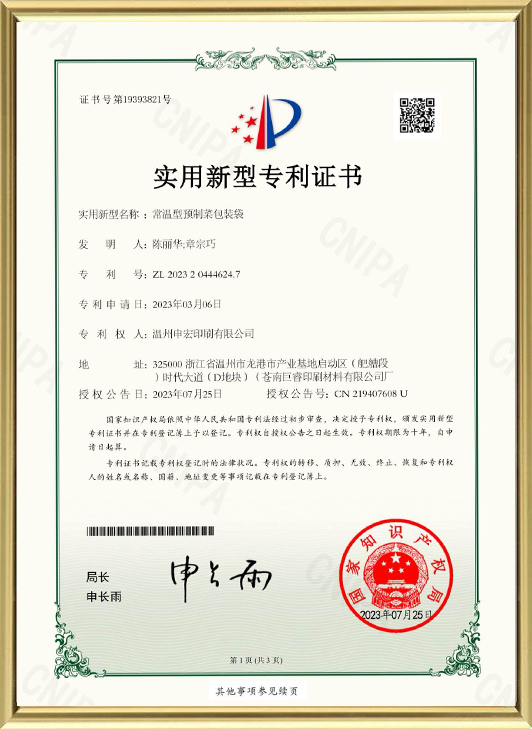
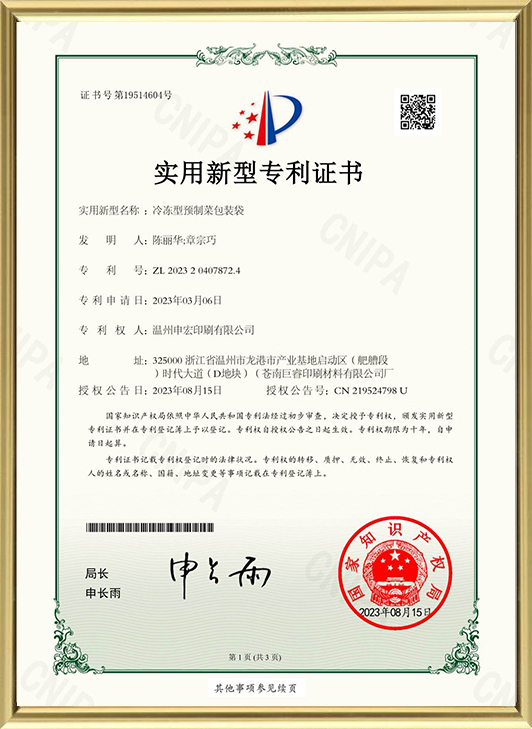
Shenhong specializes in the development and production of high-temperature retort packaging and low-temperature frozen packaging for the prepared food industry, and has obtained multiple utility model patents, demonstrating its commitment to continuous innovation.
The company operates advanced automated production equipment, including gravure printing presses, laminating machines, and bag-making lines capable of producing three-side seal, center seal, four-side seal, eight-side seal, stand-up, zipper, and other customized flexible packaging products.
Today, Shenhong's packaging printing products serve a wide range of industries, including food and beverage, daily consumer goods, agricultural chemicals, textiles, and electronics. Backed by over 40 years of manufacturing expertise, advanced technology, and strict quality control, the company continues to deliver reliable packaging print solutions to customers in both domestic and international markets.
Latest News
-
-
A bag of dog food sits in a warehouse for months before a customer opens it. The kibble inside contains fats that oxidiz...
READ MORE + -
A bag of coffee, a pouch of granola, a pack of dried fruit. These are not flat bags. They stand. The bottom gusset opens...
READ MORE + -
A bag of dog food sits on the shelf next to thirty other bags. The customer walks by, glancing. The bag has two seconds ...
READ MORE + -
A self-sealing bag has a simple mechanism: two strips of adhesive, one on each side of the opening, that press together ...
READ MORE +
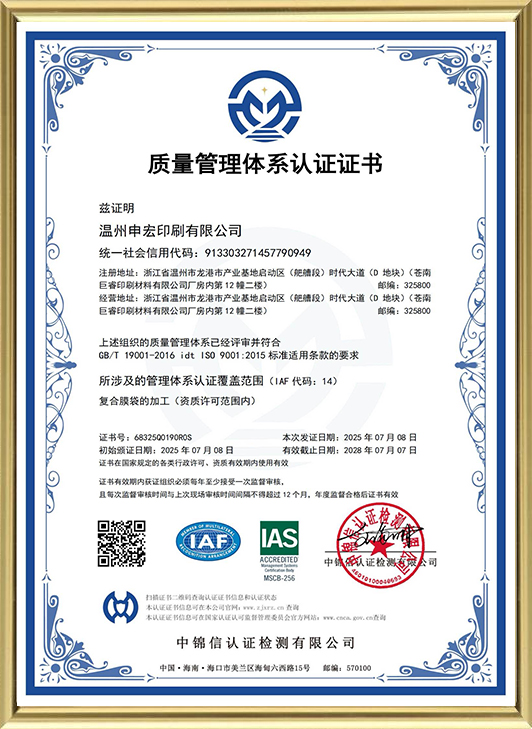
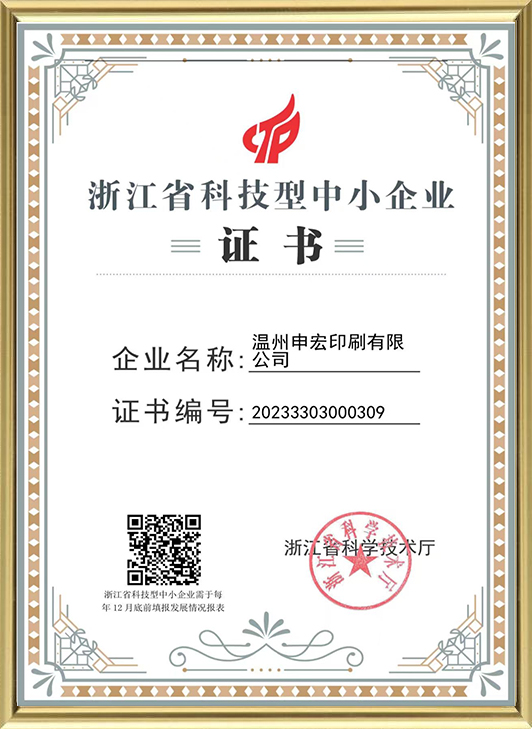
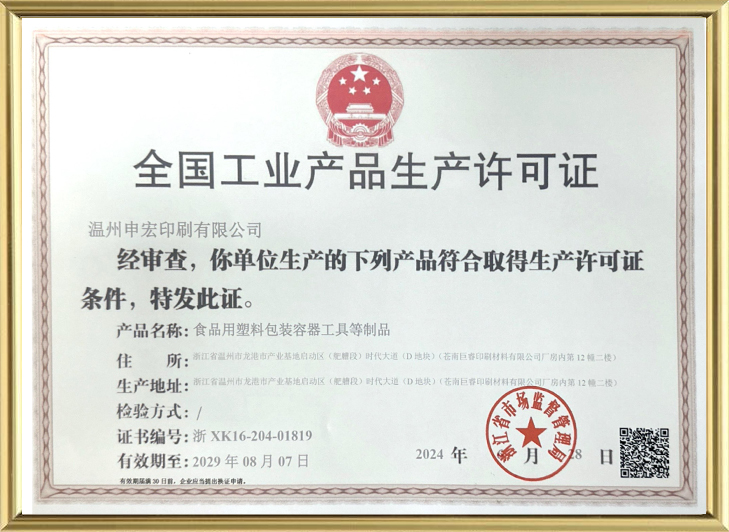
Certificate Of Honor
Message Feedback
Beyond the Rectangle: How Special Shaped Pouches Balance Design, Functionality, and Sustainability
Achieving the Balance Between Design and Functionality in Special Shaped Pouches
Defining the design-functionality tension
Walk through any premium food or beverage aisle, and you will see them — pouches shaped like triangles, teardrops, circles, or custom brand silhouettes. These special shaped pouches are designed to stand out on crowded shelves. But form cannot come at the expense of function. Achieving the balance between design and functionality in special shaped pouches is the central challenge for packaging engineers working in this space.
The design appeal of special shaped pouches
Special shaped pouches offer brands a powerful differentiator. A unique shape catches the consumer's eye, communicates brand personality, and creates a memorable unboxing experience. For premium products — craft beverages, specialty snacks, luxury pet food — the shape signals quality and innovation. The pouch becomes part of the brand identity.
The functionality requirements
Despite the shape, the pouch must still perform essential functions. It must seal reliably, protect the contents from oxygen and moisture, withstand shipping and handling, and be easy for consumers to open and use. The seal area must be robust — the more complex the shape, the more challenging the sealing becomes. The pouch must also stand upright on shelves (if required), dispense contents easily, and provide sufficient surface area for branding and required labeling information.
A scenario from the field
A craft beverage brand wanted a teardrop-shaped pouch for their cold-pressed juice line. The design was visually striking but created sealing challenges at the pointed end — the seal bar could not reach the tip effectively. The packaging team redesigned the shape with a slightly rounded tip and a wider seal zone at the bottom. The revised design maintained the teardrop aesthetic while ensuring reliable sealing. The product launched successfully and won a packaging design award.
Comparison: standard pouches versus special shaped pouches
Standard pouches — rectangular or square — are easy to produce, seal, and fill. They offer lower manufacturing costs and faster production speeds. Special shaped pouches require more complex tooling, slower production speeds, and careful engineering to maintain seal integrity. The cost difference is significant — special shaped pouches typically cost 20–40 percent more than standard pouches of the same volume. The return on investment comes from shelf differentiation, premium pricing, and brand recognition. For premium products where shelf appeal drives purchasing decisions, the investment in special shaped pouches is justified.
Environmental Challenges Facing Special Shaped Pouches
Defining the sustainability gap
Special shaped pouches, while visually striking, present significant environmental challenges. Their complex structures and non-standard shapes create recycling difficulties that standard pouches do not face. The environmental challenges facing special shaped pouches are driving innovation in materials and design.
The recycling challenge
The primary challenge is material structure. Special shaped pouches often require multi-layer laminates to achieve the shape stability and barrier performance needed. Different polymers — PET, nylon, PE, EVOH — are bonded together. These multi-material structures are not recyclable in standard film recycling streams. The shape adds another layer of difficulty — non-standard shapes may not be accepted by automated sorting equipment.
The waste and scrap challenge
Producing special shaped pouches generates more scrap than standard pouches. The die-cutting process creates waste material around the shape — often 20–40 percent of the film becomes scrap. This scrap must be disposed of or recycled separately. The manufacturing complexity also increases the risk of production errors, leading to additional waste.
The packaging efficiency challenge
Special shaped pouches are less space-efficient than standard pouches. They do not pack as tightly in shipping boxes, increasing shipping weight and cost. They also occupy more shelf space for the same product volume.
A scenario from the field
A premium snack brand using a diamond-shaped pouch faced retailer feedback: the pouch wasted shelf space and generated more packaging waste than rectangular alternatives. The brand worked with their supplier to redesign the pouch — the shape was adjusted to a more efficient diamond with reduced waste and improved packing density.
Table: environmental challenges and solutions for special shaped pouches
|
Environmental Challenge |
Cause |
Impact |
Current Solutions |
|
Multi-material non-recyclability |
Complex laminates (PET/nylon/PE/EVOH) |
Pouch ends up in landfill or incineration |
Mono-material PE structures with enhanced barrier |
|
Shape-specific sorting difficulty |
Non-standard shape; irregular edges |
Sorting equipment cannot identify the pouch |
Printed recycling instructions; consumer education |
|
High manufacturing scrap |
Die-cutting waste; shape trimming |
20–40% film waste; higher carbon footprint |
Scrap recovery and reuse in non-food applications |
|
Packaging inefficiency |
Non-standard shape reduces box packing density |
Higher shipping costs; more packaging material per unit |
Optimized shape design for packing efficiency |
|
Consumer confusion about recycling |
Complex packaging; unclear instructions |
Low recycling rates; contamination |
Clear on-pack recycling labeling; QR codes |
Comparison: environmental footprint of special shaped versus standard pouches
Standard pouches have lower material usage, less manufacturing waste, and higher recyclability. They are the environmentally preferable choice. Special shaped pouches have higher material usage, more manufacturing waste, and lower recyclability. Their environmental footprint is significantly larger — typically 30–50 percent higher than a standard pouch of the same volume. The trade-off is shelf appeal and brand differentiation versus environmental impact. Brands must decide whether the marketing benefit justifies the environmental cost. The most responsible approach is to invest in sustainable materials and design for recyclability while maintaining the unique shape.
Breakthroughs in Manufacturing Technology for Special Shaped Pouches
Defining the manufacturing breakthrough landscape
Special shaped pouches have historically been difficult and expensive to produce. Advanced manufacturing technologies are changing that. Breakthroughs in manufacturing technology for special shaped pouches are enabling more efficient production, greater design flexibility, and improved sustainability.
The breakthrough: advanced die-cutting and forming
- High-precision laser cutting: replaces traditional steel rule dies, allowing complex shapes with tight tolerances — previously impossible with mechanical dies — and reducing scrap by optimizing the cutting path
- Inline forming and filling: special shaped pouches can now be formed, filled, and sealed on a single machine, eliminating the separate pouch-making step and reducing handling
- Digital print integration: allows for variable data — batch codes, QR codes, and customization — directly on the special shaped pouch, eliminating pre-printed inventory and enabling small-batch production
A scenario from breakthrough manufacturing
A contract packaging company serving craft food brands installed a new laser-cutting, inline forming and filling line for special shaped pouches. The line reduced production time from 14 days to 5 days for custom shapes. Scrap was reduced by 40 percent. The company won three new contracts due to the capability.
Comparison: traditional versus advanced manufacturing for special shaped pouches
Traditional manufacturing for special shaped pouches uses separate pouch-making and filling lines. Production is slow — 20–40 pouches per minute — and scrap rates are high. Tooling costs are significant — $5,000–15,000 per shape — and changeover between shapes takes hours. Advanced manufacturing using laser cutting and inline forming increases speed to 60–100 pouches per minute, reduces scrap, and lowers tooling costs. Digital integration reduces inventory and enables customization. The investment is significant — a new line may cost $500,000–1.5 million — but the return is higher throughput, lower waste, and greater flexibility to serve customers.
FAQ
Q1: What materials are used for special shaped pouches?
Special shaped pouches typically use multi-layer laminates — PET, nylon, PE, and EVOH — to provide barrier, strength, and shape stability. The specific structure depends on the product and shelf life requirements. Mono-material PE structures are emerging for improved recyclability.
Q2: Are special shaped pouches more expensive than standard pouches?
Yes. Special shaped pouches cost 20–40 percent more than standard pouches due to more complex manufacturing processes, higher scrap rates, and slower production speeds. The premium may be justified by increased shelf appeal and brand differentiation.
Q3: Can special shaped pouches be recycled?
It depends on the material structure and local recycling capabilities. Mono-material PE special shaped pouches can be recycled through store-drop-off film recycling. Multi-material laminates are generally not recyclable. Check packaging for recycling instructions.
Q4: What is the minimum order quantity for special shaped pouches?
Minimum order quantities for special shaped pouches are typically higher than standard pouches due to the tooling and setup costs. MOQs often start at 10,000–50,000 pieces, depending on the shape complexity and the supplier's capabilities. Digital production may reduce MOQs for some shapes.
Q5: How does a special shaped pouch affect the filling and sealing process?
Special shaped pouches require specialized filling and sealing equipment that can accommodate the non-standard shape. The seal area must be carefully designed to ensure reliable seals at the edges. Production speeds are typically slower than for standard pouches, and the process requires more operator attention to maintain quality.
Contact
- ADD:
2nd Floor, Building B, No. 1088, Shidai Avenue, Longgang City, Wenzhou, Zhejiang Province, China.
- Mobile Phone:
+86-13587951391
- Tel:
+86-577-64465999
- Email:
Stay In Touch
Copyright © Shen Hong Printing Co.,Ltd.
All Rights Reserved.
