

 Español
 عربى
عربى
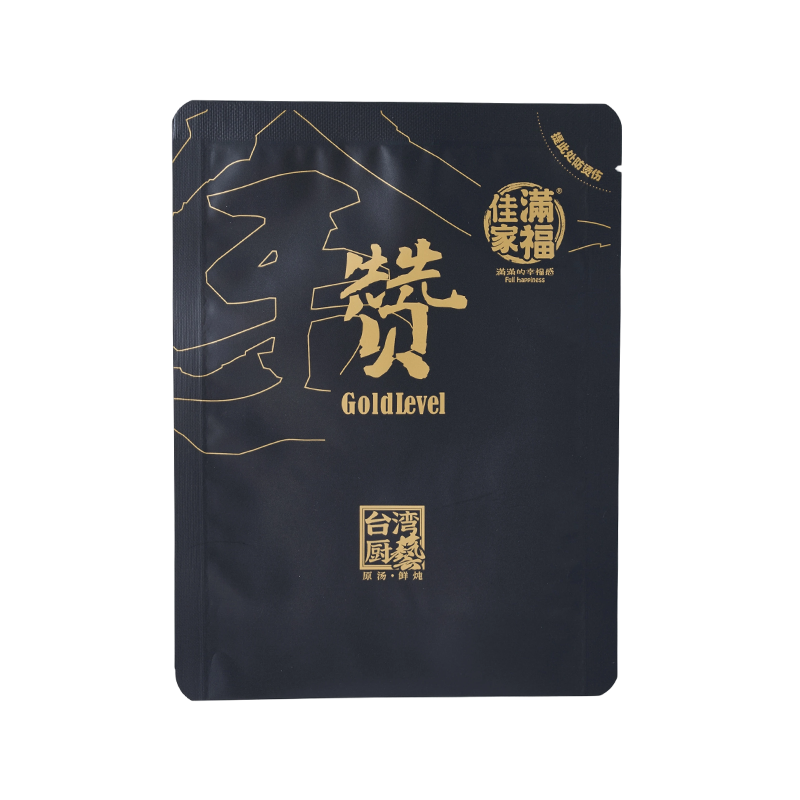
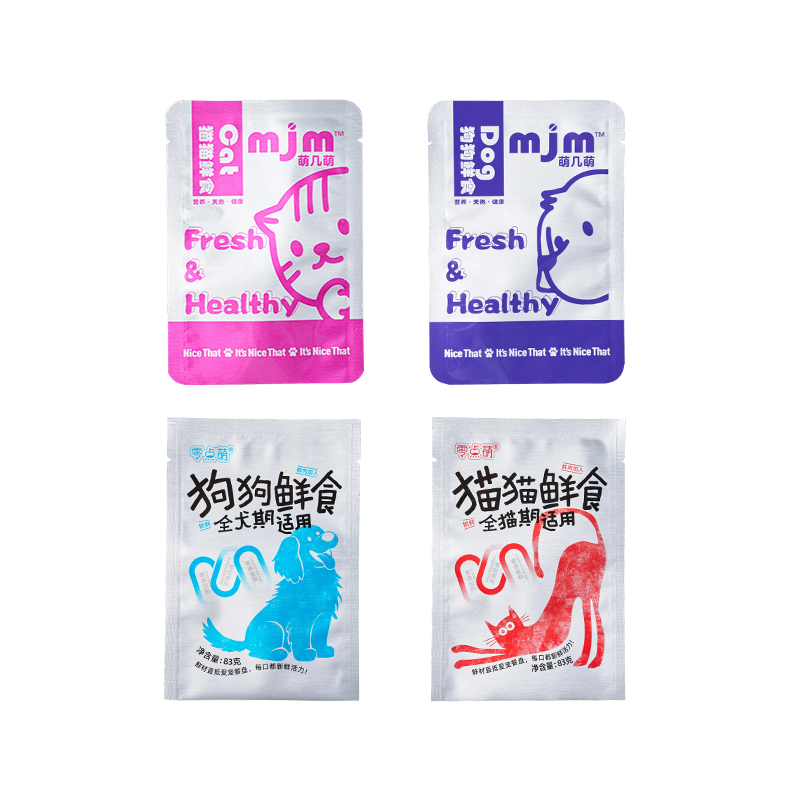
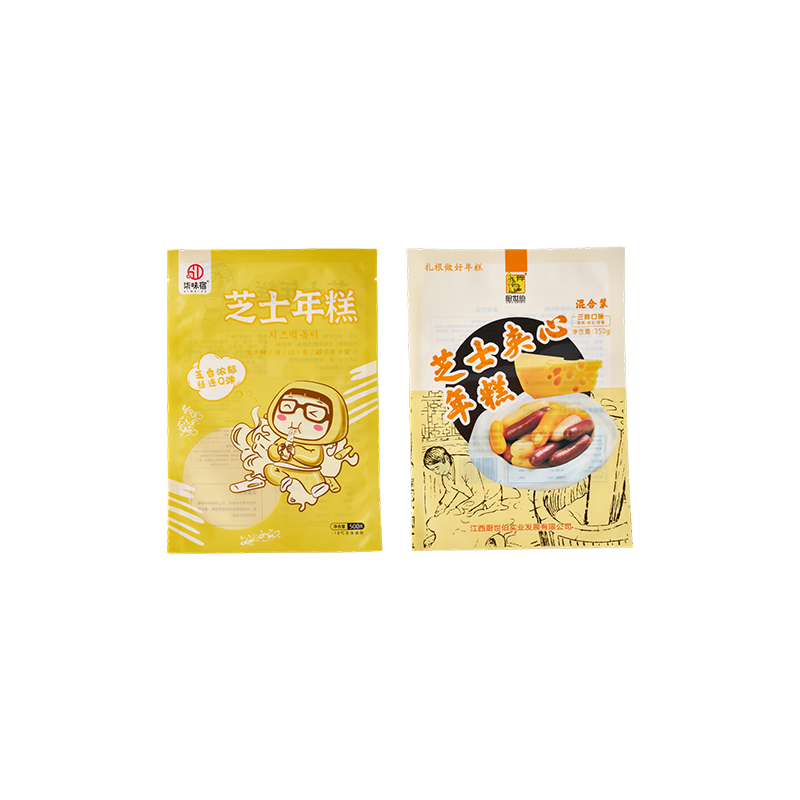
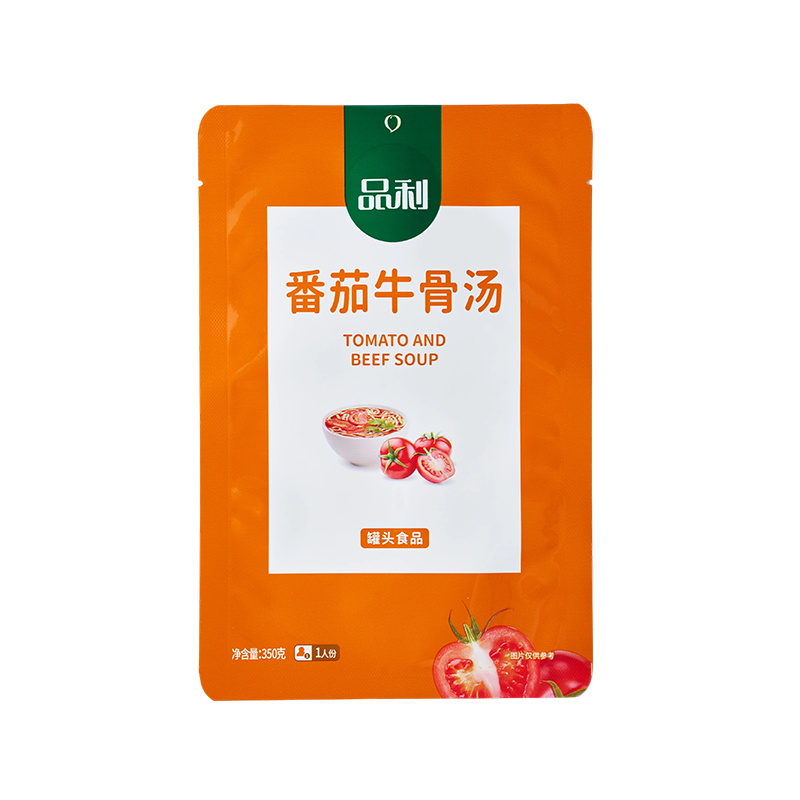
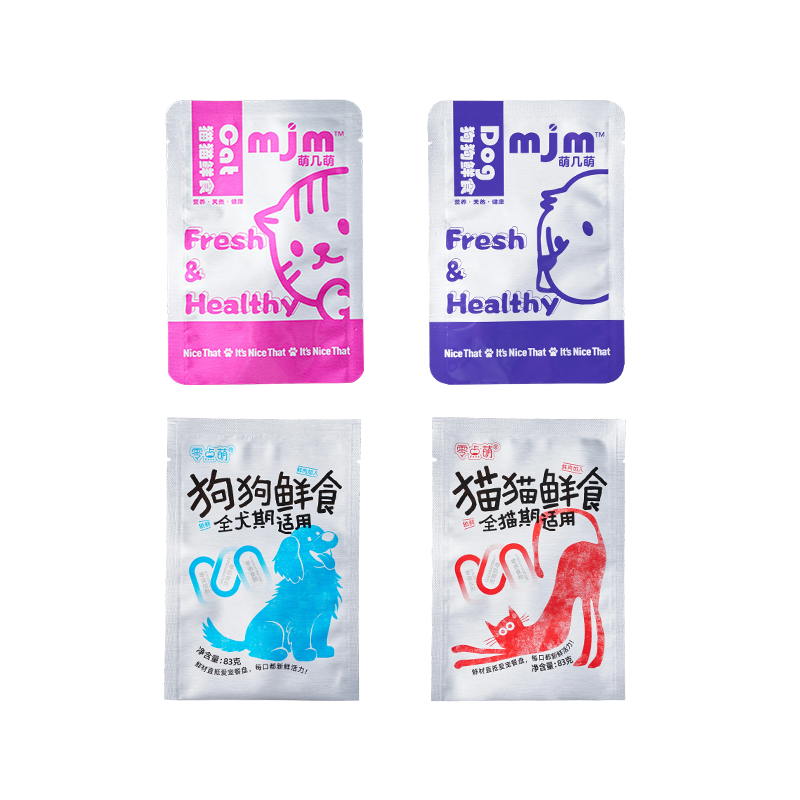
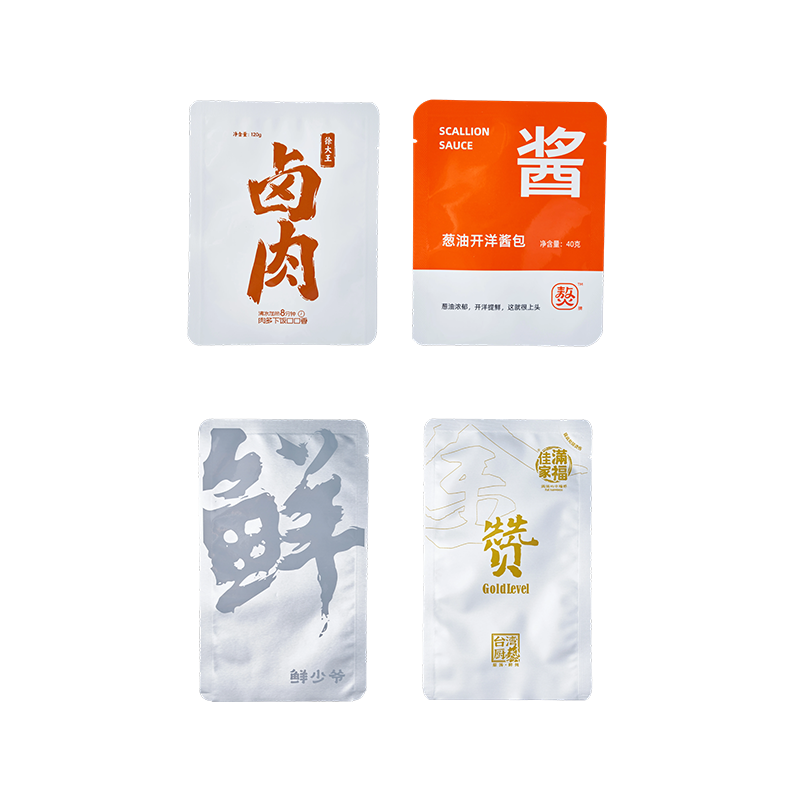
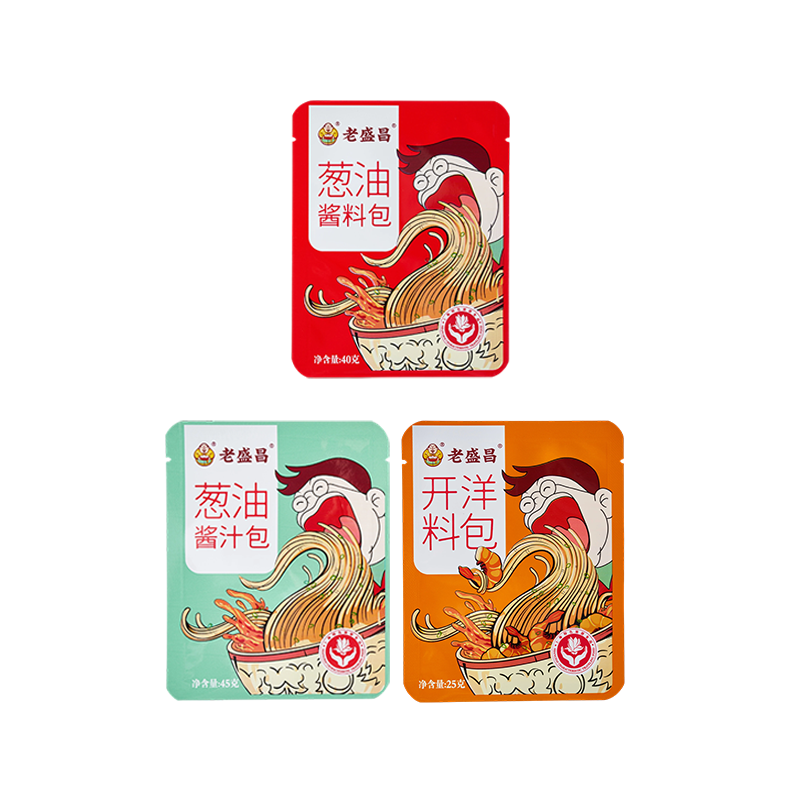
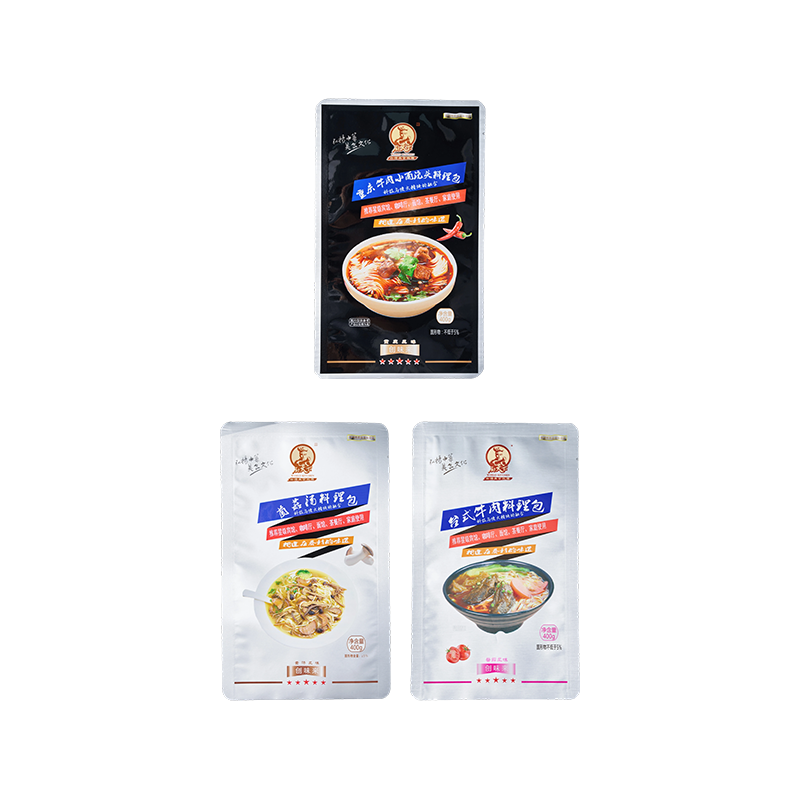
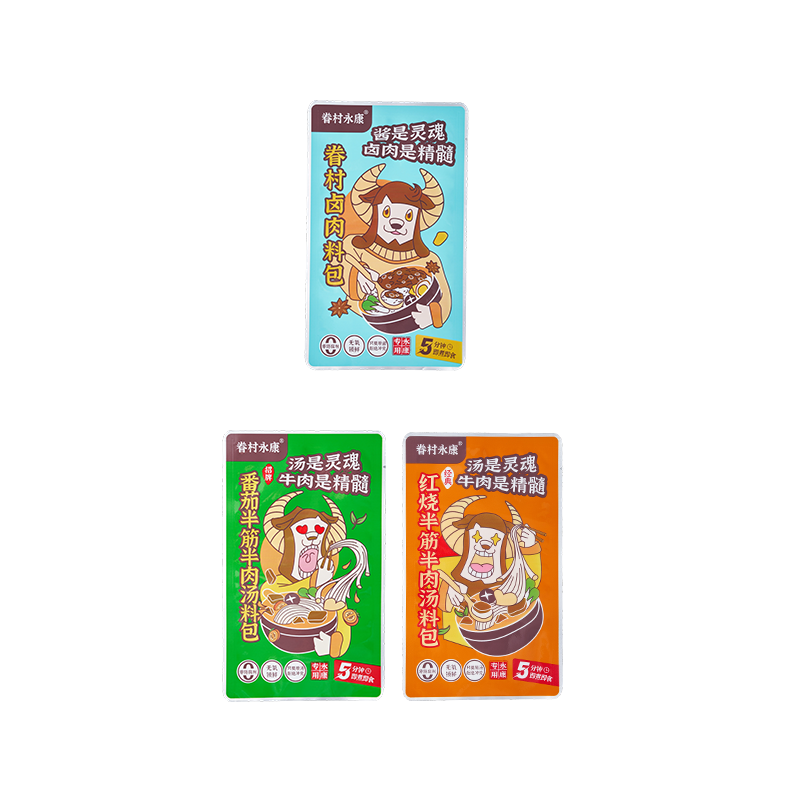
A aluminum foil retort pouch is filled, sealed, and then cooked inside a pressure vessel at 121 degrees Celsius. The foo...
READ MORE +-
 +86-13587951391
-
 [email protected]
 2nd Floor, Building B, No. 1088, Shidai Avenue, Longgang City, Wenzhou, Zhejiang Province, China.

Product Categories
-
Mid Seal Bag (12)
-
Spout Pouches (10)
-
Stand Up Bag (6)
-
Plastic Printed Film Roll (2)
-
Special-Shaped Bag (8)
-
Self-Sealing Bags (12)
-
Paper Pouches (3)
-
Aluminum Foil Retort Pouches (7)
-
Laundry Detergent Spout Pouches (2)
-
Printing Toy Packaging Bags (3)
-
Custom Meat Packaging Bags (3)
-
Face Mask Packaging Bags (1)
-
Blank Packaging Bags (7)
-
Frozen Prefabricated Food Packaging Series (5)
-
Pet Food Packaging Bags (4)
-
Wall Tile Decoration Sticker (137)
-
Kitchen Oil-Proof Stickers (78)
Recent Posts
Shenhong
We are a comprehensive manufacturing enterprise integrating flexible packaging design, printing, lamination, and bag making services.
Contact UsAluminum Foil Retort Pouches Manufacturer
Aluminum Foil Retort Pouches are food packaging materials specifically designed for high-temperature sterilization. They combine the sealing properties of cans with the convenience and portability of plastic, effectively blocking oxygen and light. These pouches remain stable at high temperatures of 120–135 °C, ensuring long-term shelf life of the food at room temperature without compromising quality.
About Us
Shen Hong Printing Co.,Ltd.
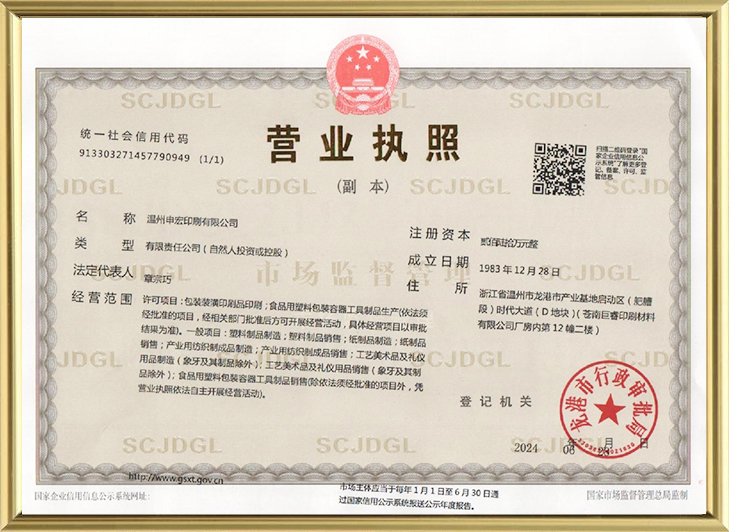
Founded in 1983, Shen Hong Printing Co., Ltd. from Wenzhou is a leading science and technology enterprise based in Zhejiang Province, China, specializing in packaging printing and flexible packaging solutions. The company integrates packaging design, packaging print, gravure printing, lamination, and precision bag manufacturing, providing customers with comprehensive, high-quality packaging solutions.
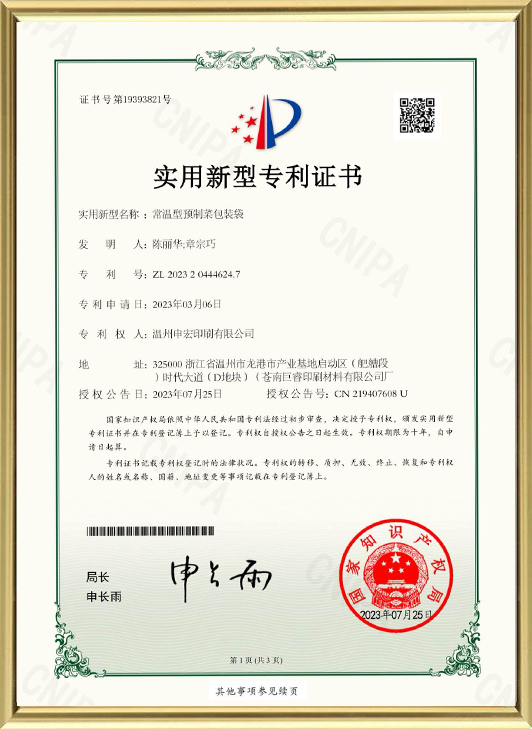
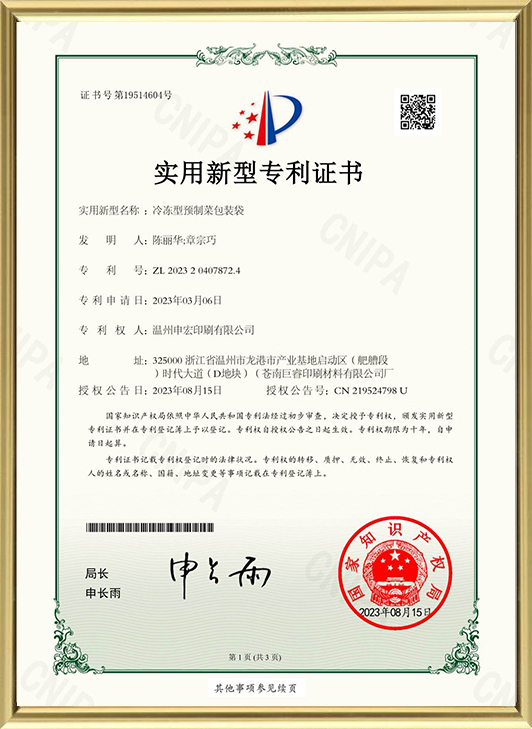
Shenhong specializes in the development and production of high-temperature retort packaging and low-temperature frozen packaging for the prepared food industry, and has obtained multiple utility model patents, demonstrating its commitment to continuous innovation.
The company operates advanced automated production equipment, including gravure printing presses, laminating machines, and bag-making lines capable of producing three-side seal, center seal, four-side seal, eight-side seal, stand-up, zipper, and other customized flexible packaging products.
Today, Shenhong's packaging printing products serve a wide range of industries, including food and beverage, daily consumer goods, agricultural chemicals, textiles, and electronics. Backed by over 40 years of manufacturing expertise, advanced technology, and strict quality control, the company continues to deliver reliable packaging print solutions to customers in both domestic and international markets.
Latest News
-
-
A bag of dog food sits in a warehouse for months before a customer opens it. The kibble inside contains fats that oxidiz...
READ MORE + -
A bag of coffee, a pouch of granola, a pack of dried fruit. These are not flat bags. They stand. The bottom gusset opens...
READ MORE + -
A bag of dog food sits on the shelf next to thirty other bags. The customer walks by, glancing. The bag has two seconds ...
READ MORE + -
A self-sealing bag has a simple mechanism: two strips of adhesive, one on each side of the opening, that press together ...
READ MORE +
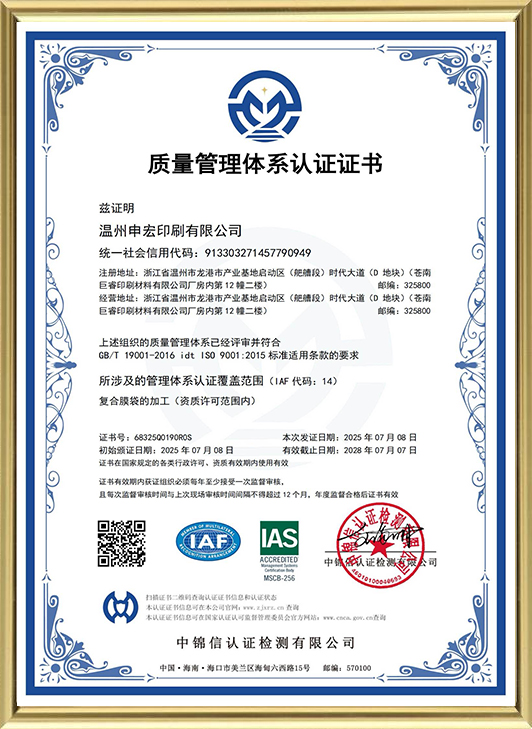
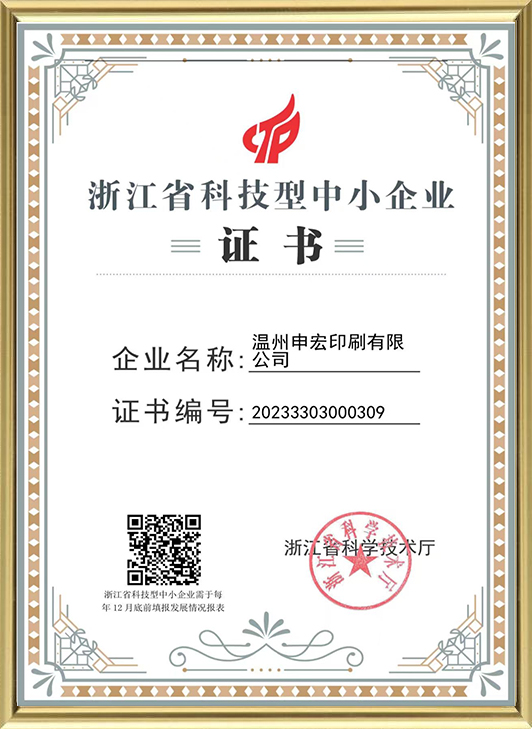
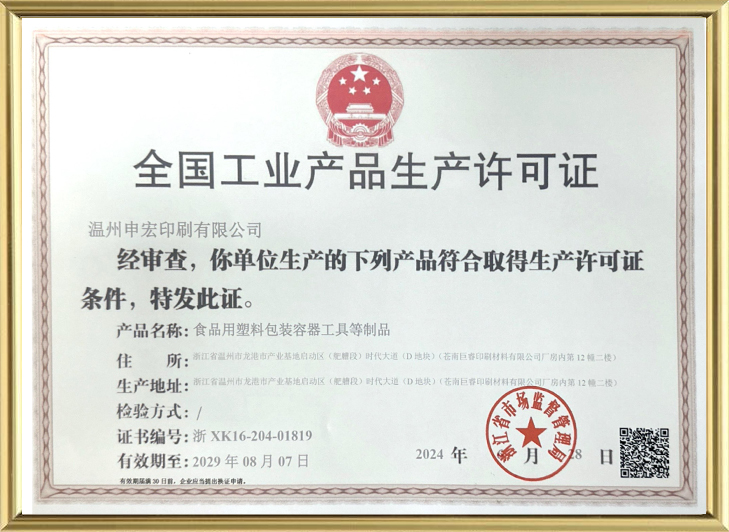
Certificate Of Honor
Message Feedback
The Retort Revolution: Balancing Performance, Sustainability, and Market Growth in High Barrier Food Packaging
How Do Retort Pouch Manufacturers Address the Challenge of Recyclability?
Defining the recyclability challenge
Retort pouches have traditionally been multi-material laminates—PET, aluminum foil, and polypropylene—bonded together. This structure provides exceptional barrier properties but is nearly impossible to recycle. How retort pouch manufacturers address the challenge of recyclability involves rethinking material selection and exploring mono-material alternatives.
The transition to mono-material structures
The primary approach is replacing aluminum foil with transparent high barrier coatings and switching to all-polypropylene or all-polyethylene structures. These mono-material pouches are compatible with existing polyolefin recycling streams. The barrier performance comes from thin layers of silicon oxide (SiOx) or aluminum oxide (AlOx) applied through vacuum deposition. These coatings are applied at thicknesses measured in nanometers—so thin that they do not interfere with the recyclability of the base polymer.
A scenario from the field
A European retort pouch manufacturer introduced a transparent mono-PP pouch with SiOx coating for a premium soup brand. The pouch passed the standard retort conditions of 121°C for 30 minutes. Shelf life matched the previous aluminum foil version. The brand promoted the recyclability as a differentiator, and sales increased 15 percent.
Comparison: traditional versus recyclable retort pouches
Traditional retort pouches combine foil and multiple plastics, offering 24+ months shelf life but zero recyclability. They end up in landfills. Mono-material pouches with transparent coatings offer comparable shelf life (18–24 months), lower carbon footprint, and compatibility with recycling streams. The trade-off is slightly higher production cost and lower light barrier—though for most applications, light sensitivity is not critical. The market is moving decisively toward recyclable solutions.
How Is High Barrier Food Packaging Transitioning from Aluminum Foil to Transparent Coatings?
Defining the transition
The shift from aluminum foil to transparent coatings is one of the most significant changes in high barrier food packaging. The goal is to maintain barrier performance while enabling recyclability and improving product visibility.
The technology behind the transition
Aluminum foil provides a near-perfect barrier to oxygen, moisture, and light, but at a cost—it is non-recyclable in multi-layer structures and opaque. Transparent coatings like SiOx, AlOx, and proprietary organic coatings are deposited onto polymer films at thicknesses of 30–100 nanometers. These coatings achieve oxygen transmission rates below 1 cm³/m²/day and moisture transmission rates below 1 g/m²/day, comparable to foil-based structures.
Table: aluminum foil versus transparent coating barriers
|
Property |
Aluminum Foil Barrier |
Transparent Coating Barrier |
Impact on Application |
|
Oxygen transmission rate |
<0.5 cm³/m²/day |
0.5–2 cm³/m²/day |
Both meet high barrier requirements |
|
Recyclability |
Low (multi-layer, foil impossible to separate) |
High (mono-material compatible) |
Coating wins for sustainability |
|
Product visibility |
None (opaque) |
Full (clear film) |
Coating enables see-through packaging |
A scenario from the transition
A premium coffee brand wanted sustainable packaging with product visibility. The packaging supplier replaced the aluminum foil layer with a PET/SiOx film. The oxygen barrier met the 18-month shelf life requirement. The transparent package allowed customers to see the roast quality. The premium packaging design increased shelf appeal.
Comparison: when to choose which barrier
Aluminum foil remains essential for light-sensitive products—cheese, pharmaceuticals, and military rations—where UV degradation is a concern. Transparent coatings are the better choice when product visibility adds value, recyclability is a priority, and light sensitivity is not critical. The trend favors transparent coatings for consumer products where appearance and sustainability matter.
Why Are the Applications for Aluminum Foil Vacuum Bags Constantly Expanding?
Defining the expansion drivers
Aluminum foil vacuum bags have been used for decades in military and industrial applications. But their applications are expanding rapidly into new sectors, driven by growing demand for extended shelf life, product protection, and premium packaging. Why the applications for aluminum foil vacuum bags are constantly expanding lies in their unmatched barrier performance.
The expansion drivers
- Premium food segment: adopting aluminum foil vacuum bags for high-value products like aged cheeses, cured meats, and specialty coffee
- Pet food industry: premium raw and freeze-dried pet food requiring moisture and oxygen protection
- Pharmaceutical and nutraceutical industries: products requiring protection from oxygen and light—omega-3 oils, probiotics, and certain vitamins
A scenario from expansion
A premium coffee roaster switched to aluminum foil vacuum bags for their single-origin whole-bean offering. The bag extended freshness from 6 months to 18 months. The roaster expanded their online sales channel because the extended shelf life allowed longer shipping and storage without quality loss.
Comparison: aluminum foil vacuum bags versus other high barrier options
Compared to glass or metal cans, aluminum foil vacuum bags are lighter, more flexible, and reduce shipping costs. Compared to transparent barrier films, they provide complete light protection. The trade-off is recyclability—foil bags are difficult to recycle. The expansion is happening in applications where barrier performance and product protection outweigh sustainability concerns, or where the product is high-value enough to justify the packaging cost.
Why Is the Market for Retort Food Packaging Growing Rapidly Worldwide?
Defining the growth drivers
Retort food packaging—heat-sterilizable flexible pouches—has grown from a military and outdoor niche to a mainstream food packaging category. Why the market for retort food packaging is growing rapidly worldwide involves multiple converging trends.
The key growth drivers
- Ready-to-eat meal trend: consumers increasingly want convenient, shelf-stable meals with long shelf life
- Pet food market: premium retort pet food pouches replacing traditional cans
- Global shift away from metal cans: retort pouches cost less to produce, ship, and store
- Sustainability pressure: retort pouches generate less material waste and consume less energy
A scenario from growth
A Southeast Asian retort pouch manufacturer expanded production capacity by 300 percent in three years to meet regional demand for packaged ready-to-eat meals, retort pet food, and coconut-based liquid products.
Comparison: retort pouch versus metal can
Retort pouches are lighter, ship flat, and reduce storage space by 50–70 percent compared to cans. They cost less to produce and require less energy to sterilize—the thinner profile reduces retort time and energy. Metal cans offer higher dent resistance and better recyclability in many markets. The growth is heavily weighted toward retort pouches, especially in markets with high labor costs and sustainability awareness.
Why Are Aluminum Foil Retort Pouches Considered "Irreplaceable" in the High-End Market?
Defining the high-end value proposition
In the high-end market—premium pet food, gourmet ready meals, medical nutrition, and outdoor survival food—aluminum foil retort pouches maintain their position despite the push toward sustainability. Why aluminum foil retort pouches are considered "irreplaceable" in the high-end market comes down to performance that competitors cannot match.
The performance advantages
- Shelf life: foil retort pouches provide 36+ months of stable shelf life with no material degradation
- Complete barrier: absolute protection from oxygen, moisture, and light preserves flavor, color, and nutritional content
- Structural integrity: toughness of the foil laminate holds up under extreme conditions—high-altitude, temperature fluctuations, mechanical shocks
- Premium presentation: metallic finish communicates quality to consumers
A scenario from high-end application
A premium pet food brand targeting the "human-grade" segment launched a freeze-dried raw product in aluminum foil retort pouches. The packaging communicated the premium quality—the metallic finish stood out on store shelves and online product images. Shelf life reached 24 months without additives. The brand grew 400 percent in two years, and the packaging was central to the premium positioning.
Comparison: aluminum foil retort pouch versus high barrier alternatives
Transparent high barrier pouches with SiOx or AlOx coatings can match aluminum foil retort pouches on oxygen and moisture barrier. They cannot match foil's complete light barrier or premium visual appeal. The coating-based pouches are typically limited to 18–24 months shelf life versus foil's 36+ months. For high-value products where premium presentation and maximum shelf life are required, aluminum foil remains the irreplaceable choice.
FAQ
Q1: Can aluminum foil retort pouches be recycled?
In most markets, no. The multi-layer construction—aluminum foil combined with multiple plastic films—cannot be separated in standard recycling streams. Some specialized recyclers are developing processes to recover materials from retort pouches, but these are not widely available. Mono-material alternatives with transparent coatings are the recyclable solution for brands prioritizing sustainability.
Q2: What is the shelf life difference between foil and transparent high barrier retort pouches?
Aluminum foil retort pouches typically offer 36+ months of shelf life. Transparent high barrier pouches with SiOx or AlOx coatings typically offer 18–24 months. The difference comes from foil's complete barrier to oxygen, moisture, and light. For most products, 18–24 months is sufficient. For military rations, emergency food, and some premium applications, 36+ months is required.
Q3: How does the cost compare between traditional foil pouches and new transparent barrier pouches?
Transparent barrier pouches with vacuum-deposited coatings typically cost 10–20 percent more than foil-based pouches. The vacuum deposition process adds expense. The premium is often absorbed by brands marketing the sustainability benefit. For high-volume applications, the cost difference is narrowing as coating technology improves.
Q4: What are the fastest-growing applications for retort packaging worldwide?
Ready-to-eat meals (especially plant-based), retort pet food, coconut-based liquid products, and military/emergency food rations are the fastest-growing segments. Southeast Asia, the Middle East, and Latin America are the fastest-growing regional markets as convenience food consumption increases.
Q5: Can aluminum foil retort pouches be used in microwave ovens?
No. Aluminum foil cannot go in microwave ovens. This is a key limitation. Brands producing products intended for microwave preparation must use microwave-compatible pouches—typically transparent or non-foil structures designed for microwave heating. Some products are sold in foil pouches with instructions to transfer contents to a microwave-safe container.
Contact
- ADD:
2nd Floor, Building B, No. 1088, Shidai Avenue, Longgang City, Wenzhou, Zhejiang Province, China.
- Mobile Phone:
+86-13587951391
- Tel:
+86-577-64465999
- Email:
Stay In Touch
Copyright © Shen Hong Printing Co.,Ltd.
All Rights Reserved.
