

 Español
 عربى
عربى
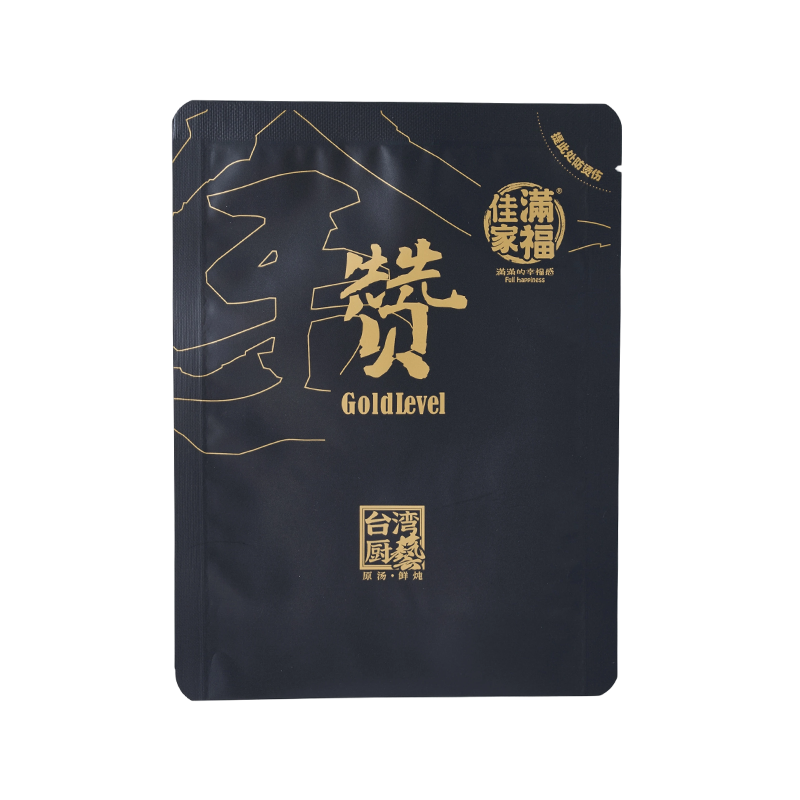
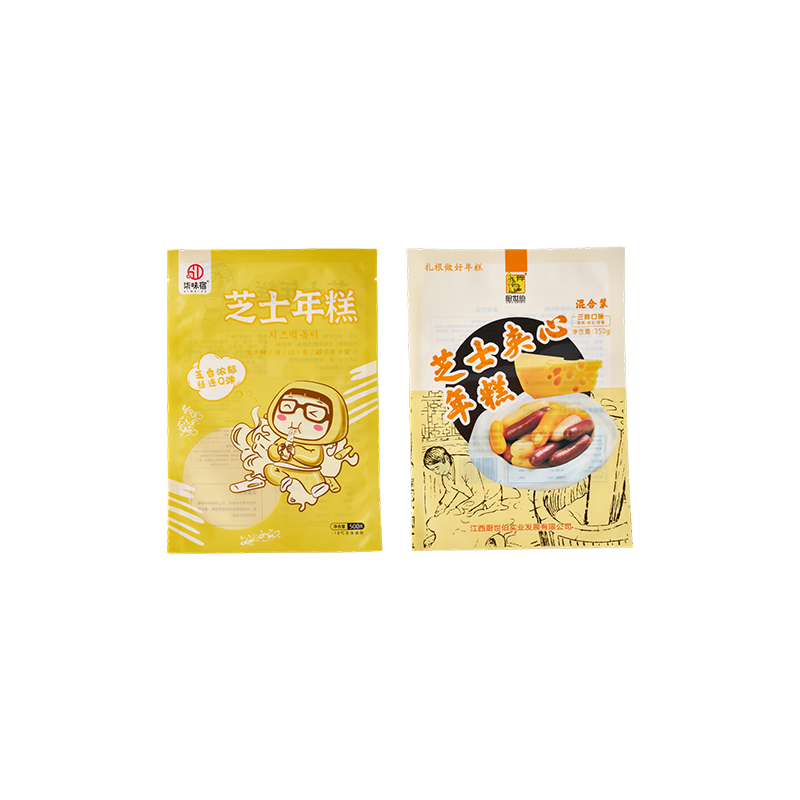
A aluminum foil retort pouch is filled, sealed, and then cooked inside a pressure vessel at 121 degrees Celsius. The foo...
READ MORE +-
 +86-13587951391
-
 [email protected]
 2nd Floor, Building B, No. 1088, Shidai Avenue, Longgang City, Wenzhou, Zhejiang Province, China.

Product Categories
-
Mid Seal Bag (12)
-
Spout Pouches (10)
-
Stand Up Bag (6)
-
Plastic Printed Film Roll (2)
-
Special-Shaped Bag (8)
-
Self-Sealing Bags (12)
-
Paper Pouches (3)
-
Aluminum Foil Retort Pouches (7)
-
Laundry Detergent Spout Pouches (2)
-
Printing Toy Packaging Bags (3)
-
Custom Meat Packaging Bags (3)
-
Face Mask Packaging Bags (1)
-
Blank Packaging Bags (7)
-
Frozen Prefabricated Food Packaging Series (5)
-
Pet Food Packaging Bags (4)
-
Wall Tile Decoration Sticker (137)
-
Kitchen Oil-Proof Stickers (78)
Recent Posts
Shenhong
We are a comprehensive manufacturing enterprise integrating flexible packaging design, printing, lamination, and bag making services.
Contact UsFood Grade Pet Food Packaging Bags Supplier
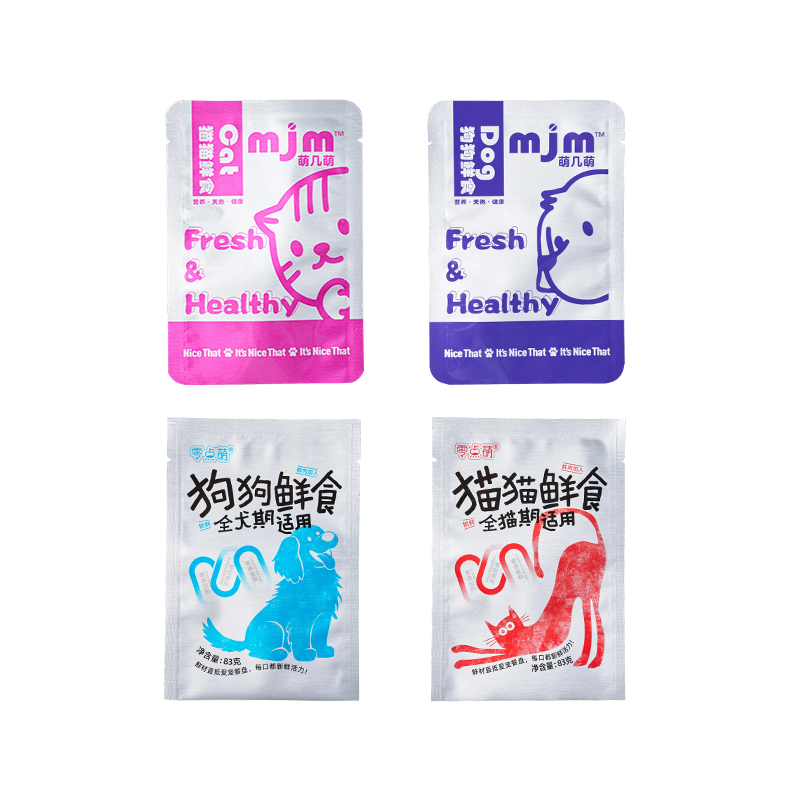
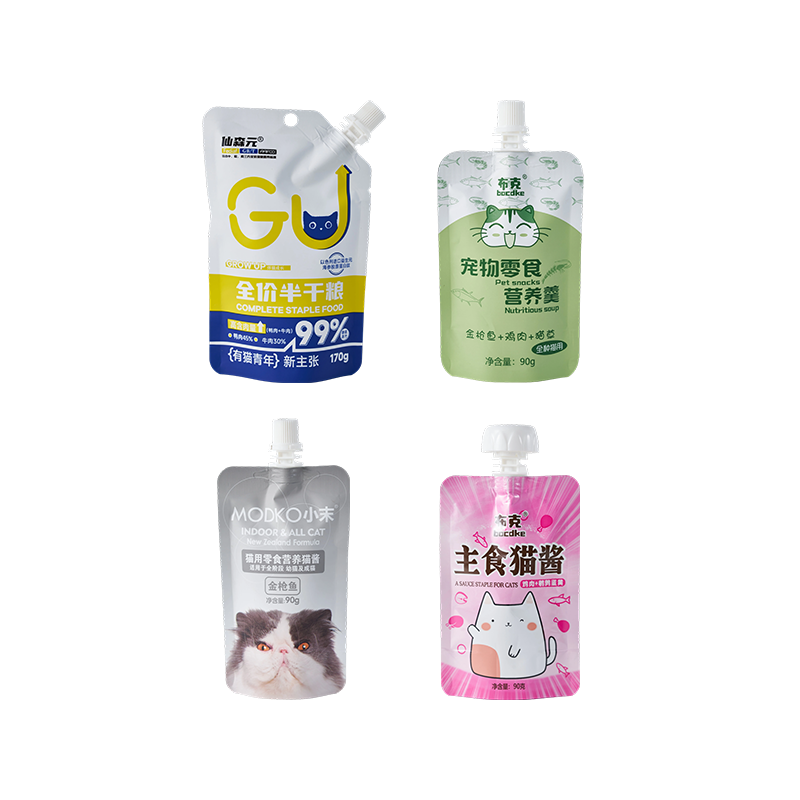
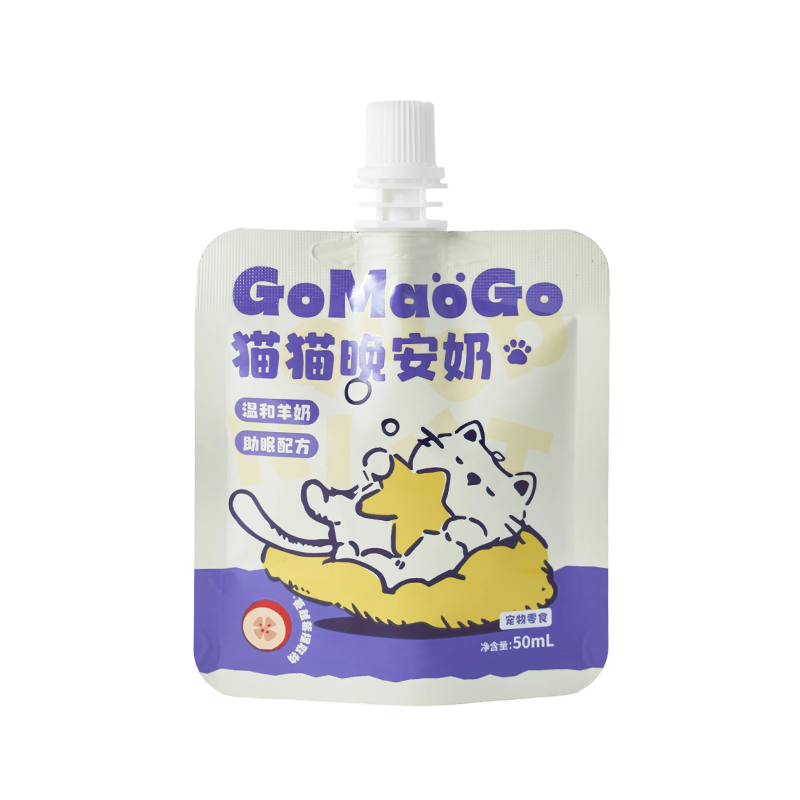
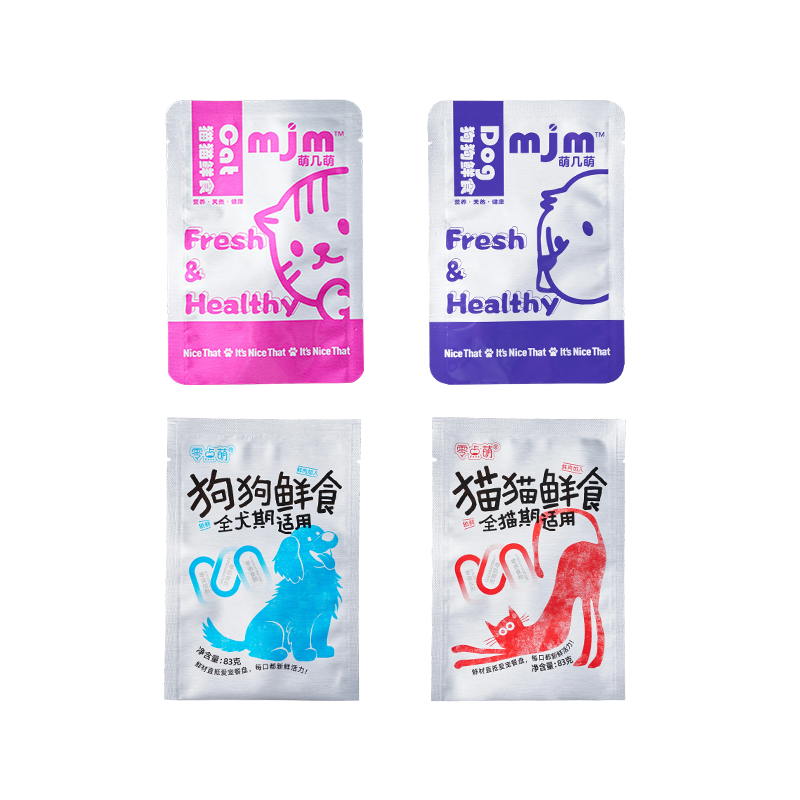
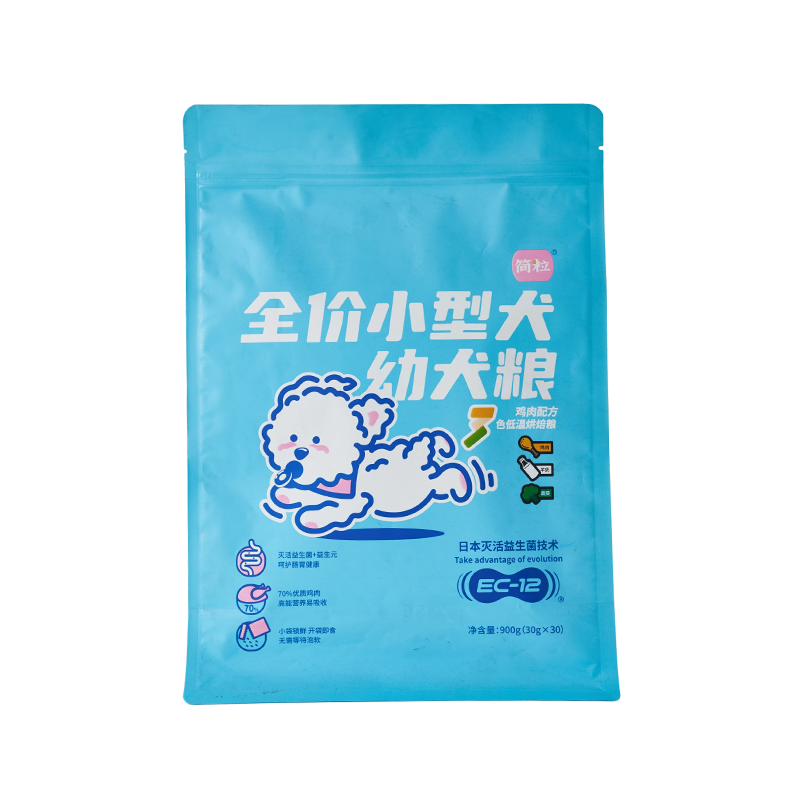
Suitable for various types of pet food, our Pet Food Packaging Bags include styles such as three-side seal, stand-up pouch, and four-side seal. The bag properties can be customized according to the storage requirements of different pet foods to ensure optimal preservation. Additionally, our pet food packaging bags can be made from different materials based on customer needs, such as aluminum foil composite films or PET/PE films, providing moisture-proof, anti-oxidation, and odor-resistant functions to maintain the freshness and safety of the food. The diverse bag designs not only support automated packaging production but also facilitate retail display and convenient consumer use.
About Us
Shen Hong Printing Co.,Ltd.
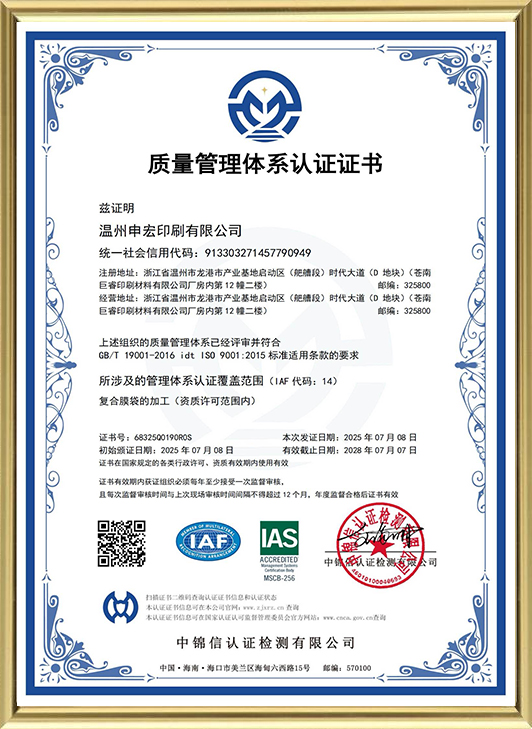
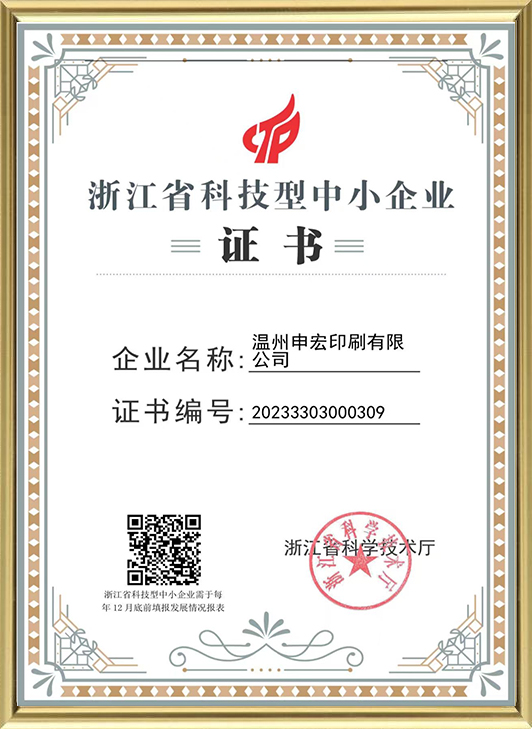
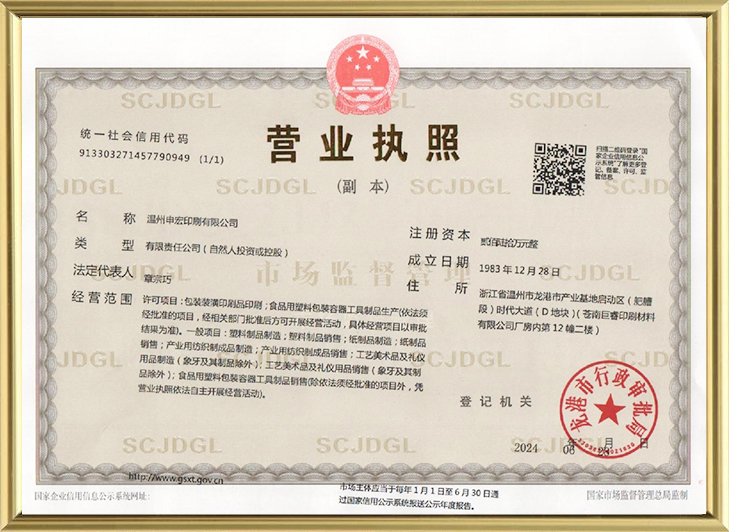
Founded in 1983, Shen Hong Printing Co., Ltd. from Wenzhou is a leading science and technology enterprise based in Zhejiang Province, China, specializing in packaging printing and flexible packaging solutions. The company integrates packaging design, packaging print, gravure printing, lamination, and precision bag manufacturing, providing customers with comprehensive, high-quality packaging solutions.
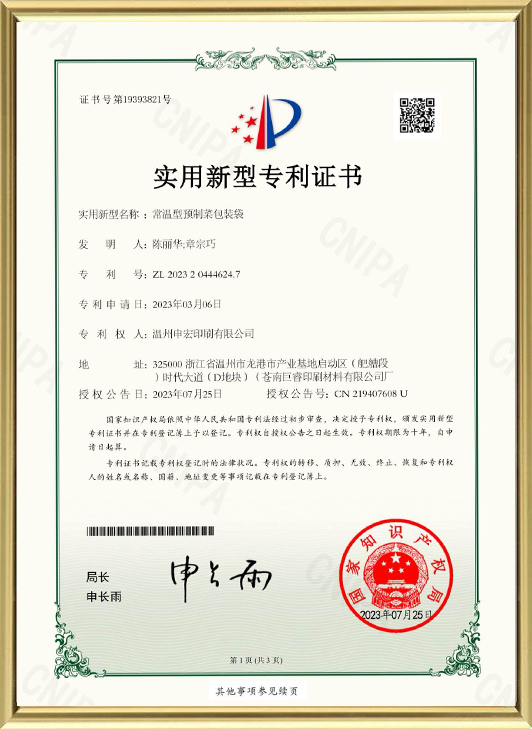
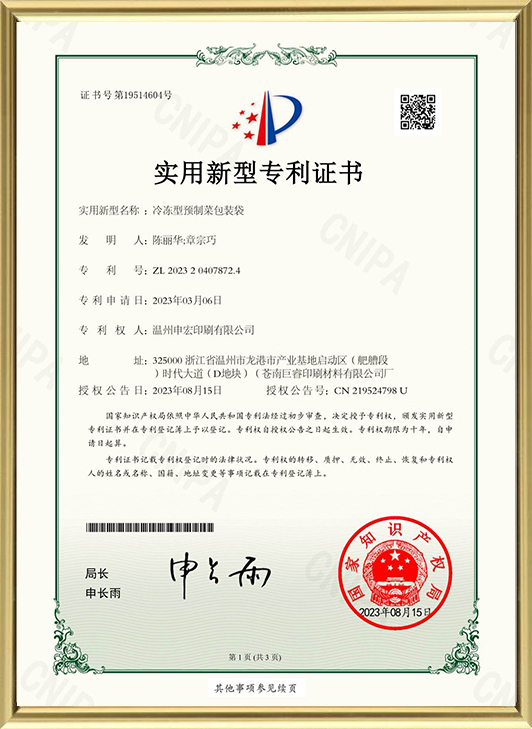
Shenhong specializes in the development and production of high-temperature retort packaging and low-temperature frozen packaging for the prepared food industry, and has obtained multiple utility model patents, demonstrating its commitment to continuous innovation.
The company operates advanced automated production equipment, including gravure printing presses, laminating machines, and bag-making lines capable of producing three-side seal, center seal, four-side seal, eight-side seal, stand-up, zipper, and other customized flexible packaging products.
Today, Shenhong's packaging printing products serve a wide range of industries, including food and beverage, daily consumer goods, agricultural chemicals, textiles, and electronics. Backed by over 40 years of manufacturing expertise, advanced technology, and strict quality control, the company continues to deliver reliable packaging print solutions to customers in both domestic and international markets.
Latest News
-
-
A bag of dog food sits in a warehouse for months before a customer opens it. The kibble inside contains fats that oxidiz...
READ MORE + -
A bag of coffee, a pouch of granola, a pack of dried fruit. These are not flat bags. They stand. The bottom gusset opens...
READ MORE + -
A bag of dog food sits on the shelf next to thirty other bags. The customer walks by, glancing. The bag has two seconds ...
READ MORE + -
A self-sealing bag has a simple mechanism: two strips of adhesive, one on each side of the opening, that press together ...
READ MORE +
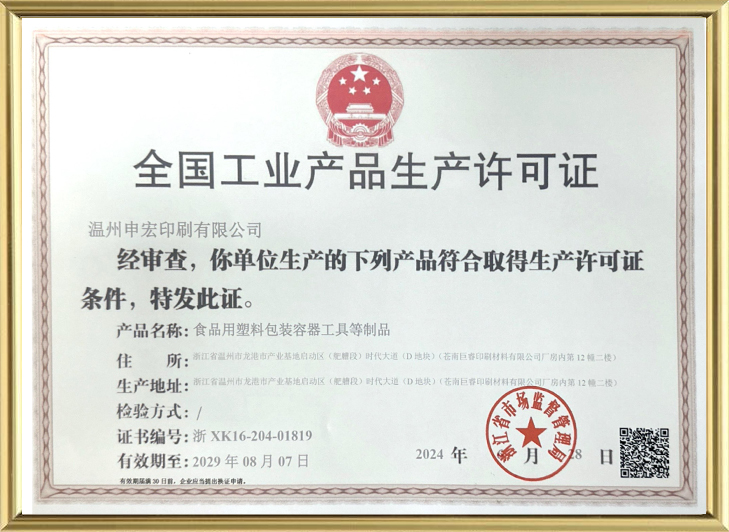
Certificate Of Honor
Message Feedback
The New Language of Pet Food Packaging: E-Commerce, Transparency, Sustainability, and Brand Differentiation
Why Are High Barrier Pet Food Packaging Bags Well-Suited for E-Commerce Logistics?
Defining the e-commerce challenge
Pet food sold online faces a brutal shipping environment. Packages are dropped, compressed, and exposed to temperature swings during transit. Why high barrier pet food packaging bags are well-suited for e-commerce logistics comes down to three properties: puncture resistance, oxygen barrier, and structural integrity.
The e-commerce advantages
High barrier pet food bags typically use multi-layer structures—PET, nylon, EVOH, and PE—that provide exceptional puncture resistance. The nylon layer resists tearing from sharp kibble edges. The EVOH layer blocks oxygen, preserving freshness during extended shipping times. The PE sealing layer ensures the package remains sealed despite rough handling. These bags survive the drop tests (1.5 meters onto concrete) and compression tests required for e-commerce shipping.
A scenario from practice
A premium pet food brand selling through Amazon switched from a thin single-layer bag to a high barrier multi-layer bag. Shipping damage dropped from 8 percent to 0.5 percent. Customer complaints about stale food nearly disappeared.
Comparison: high barrier versus standard pet food bags for e-commerce
- High barrier bags: engineered for supply chain; 20–40% higher cost; significantly reduced returns
- Standard bags: moderate protection; fail under e-commerce conditions; lower upfront cost
The reduction in returns and customer complaints justifies the investment for brands selling online.
Why Are Retort Pet Food Pouches Shifting Toward Transparency and Premiumization?
Defining the shift
Retort pet food pouches have traditionally been opaque, using aluminum foil for barrier performance. But that is changing. Why retort pet food pouches are shifting toward transparency and premiumization is driven by consumer demand for product visibility and premium product positioning.
The transparency driver
Pet owners want to see the food they are buying. Transparent or windowed retort pouches allow visual inspection of the product—the texture, the pieces, the liquid content. This transparency builds trust and helps differentiate premium products.
The premiumization driver
Retort pouches are moving upmarket. The shift to transparent or semi-transparent structures—using silicon oxide (SiOx) or aluminum oxide (AlOx) coatings instead of foil—enables premium appearance while maintaining barrier performance. The metallic or glossy finish communicates quality.
A scenario from practice
A European premium pet food brand introduced a transparent retort pouch with a SiOx coating. The pouch passed 121°C retort sterilization and provided 18-month shelf life. The brand saw a 15 percent sales increase, attributed to the premium appearance and product visibility.
Comparison: transparent versus traditional opaque retort pouches
Traditional opaque retort pouches use aluminum foil for absolute barrier, providing 36+ months shelf life. They are non-recyclable and conceal the product. Transparent retort pouches with SiOx or AlOx coatings offer 18–24 months shelf life—sufficient for most products—and allow product visibility. The transparent pouch costs 10–20 percent more, but the premium perception allows brands to command higher pricing.
Why Do Food Grade Pet Food Packaging Bags Prioritize High Barrier Freshness Preservation and Transparency?
Defining the dual priorities
Pet food manufacturers face a dual challenge: keeping food fresh and allowing consumers to see it. Why food grade pet food packaging bags prioritize high barrier freshness preservation and transparency addresses both consumer safety and purchasing behavior.
Freshness preservation as the foundation
Pet food contains fats and oils that oxidize, producing rancid odors and degraded nutritional value. The primary packaging must block oxygen and moisture. High barrier structures—multi-layer laminates with EVOH, PA, or aluminum foil—maintain oxygen transmission rates below 1 cm³/m²/day. This ensures shelf life of 12–24 months without preservatives.
Transparency as the differentiator
Transparency allows consumers to evaluate product quality—the color, texture, and piece size. This is especially important in premium segments where appearance signals quality. Clear packaging communicates confidence in the product.
A scenario from practice
A US pet food brand selling freeze-dried raw food introduced a transparent high barrier bag with a wide window. The bag maintained 18-month shelf life while allowing consumers to see the product. The brand's sales increased 22 percent, and customer surveys cited product visibility as a key purchase driver.
Comparison: high barrier only versus high barrier with transparency
High barrier-only packaging (opaque) offers maximum protection but conceals the product. High barrier packaging with transparency offers slightly lower barrier performance—due to the clear window or coating—but allows product visibility. The shelf life difference is typically 3–6 months. For most products with 12–18 month shelf life requirements, transparent high barrier is sufficient. For products requiring maximum shelf life (24+ months), opaque foil structures remain necessary.
How Does Resealable Pet Food Packaging Navigate the Design Dilemma Between Sustainability and Recyclability?
Defining the dilemma
Resealable pet food packaging requires a closure—often a zipper or a peel-and-reseal adhesive. These closures add functionality but create recyclability challenges. How resealable pet food packaging navigates the design dilemma between sustainability and recyclability involves material selection and design choices.
The sustainability and recyclability trade-off
A resealable feature extends product life by allowing consumers to close the bag between uses. This reduces food waste, which is a significant sustainability benefit. But the closure mechanism is often made from different materials than the main bag—a nylon zipper on a PE bag, for example—which makes the bag difficult to recycle. The design dilemma is clear: convenience and food waste reduction versus recyclability.
Solutions to the dilemma
Packaging suppliers are developing mono-material resealable closures—PE zippers that can be recycled with the PE bag. The closure is engineered to seal effectively without compromising recyclability. Some brands are shifting to peel-and-reseal adhesives that can be applied directly to the PE film, eliminating the separate zipper component.
A scenario from practice
A pet treat brand using PE bags with standard zipper closures switched to a PE-based zipper. The bag remained fully recyclable through store-drop-off film recycling channels. The brand's recycling rate increased significantly.
Table: resealable packaging features and their sustainability-recyclability balance
|
Resealable Feature |
Sustainability Benefit |
Recyclability Impact |
Current Solutions |
|
Nylon zipper |
Reduces food waste |
Makes bag non-recyclable |
Switch to PE-based zippers |
|
Peel-and-reseal adhesive |
Reduces food waste |
Adhesive can interfere with recycling |
Use food grade, recyclable adhesive |
|
Slide zipper |
Easy for consumers |
Multiple materials; difficult to recycle |
Develop mono-material slide zipper |
|
Press-to-close seal |
Simple; low cost |
Seal material must be compatible |
Use PE-only seal material |
Comparison: sustainability versus recyclability in resealable bags
Sustainability and recyclability are both important goals, but they are not always aligned. The most sustainable packaging is the one that reduces environmental impact across its lifecycle—including food waste reduction. A resealable bag that extends product life and reduces food waste may have a lower environmental impact than a recyclable but non-resealable bag, even if the resealable bag is less recyclable. The ideal solution is a bag that is both resealable and recyclable—currently achievable with mono-material PE designs.
Why Are Pet Treat Packaging Suppliers Transitioning to E-Commerce?
Defining the e-commerce transition
Pet treat packaging suppliers have historically served retail shelves. But that is changing rapidly. Why pet treat packaging suppliers are transitioning to e-commerce is a shift driven by market dynamics and logistical advantages.
The market dynamics
Pet treats are increasingly purchased online—subscribers receive monthly boxes, one-time purchases for specialty items, and bulk orders. The share of pet treat sales through e-commerce is growing faster than retail. Suppliers who serve this channel are seeing higher growth rates than those focused solely on retail.
The packaging advantages for e-commerce
Pet treat packaging must withstand e-commerce shipping—drops, compression, and varying temperatures. The packaging must also be lightweight to reduce shipping costs. Suppliers transitioning to e-commerce are designing packaging specifically for the logistics of online sales: strong seals, puncture resistance, and lightweight structures. The products must also present well to consumers opening the package—unboxing experience matters.
A scenario from practice
A US-based pet treat supplier serving retail only expanded to Amazon. They redesigned their packaging to include stronger seals and a more durable outer bag. The shipping damage rate dropped to near zero. Online sales grew to 30 percent of total revenue within 18 months.
Comparison: retail-focused versus e-commerce-focused pet treat packaging
Retail-focused packaging prioritizes shelf appeal, branding, and product visibility. E-commerce-focused packaging prioritizes shipping durability, lightweighting, and unboxing experience. The structures differ significantly: e-commerce packaging is often thicker and has stronger seals. The packaging must also carry sufficient branding for the online channel, where the product is displayed digitally. The shift is permanent, and suppliers who cannot serve both channels risk losing market share.
Why Should Pet Food Packaging Manufacturers Proactively Participate in Brand-Side Product Development?
Defining proactive participation
Pet food packaging manufacturers have traditionally been order-takers: the brand specifies the packaging, and the manufacturer produces it. Why pet food packaging manufacturers should proactively participate in brand-side product development is an argument for deeper partnership and earlier involvement.
The case for proactive participation
Packaging manufacturers have unique insight into materials, processes, and supply chain dynamics that brands do not. By participating early in product development, manufacturers can provide guidance on material selection, design for manufacturability, and cost optimization. This involvement reduces development time, avoids costly redesigns, and creates a stronger partnership.
The benefits to the manufacturer
Manufacturers who participate early are more likely to secure the production contract. They also reduce their own risk—understanding the product requirements early allows better production planning and material sourcing. The relationship becomes a partnership rather than a transaction, which leads to higher customer retention.
A scenario from practice
A pet food packaging manufacturer was invited to participate in a brand's new product development team for a premium treat line. The manufacturer suggested a film structure that reduced material cost by 12 percent while improving seal integrity. The product launched on schedule, and the brand awarded the manufacturer all future pet treat packaging contracts.
Comparison: reactive versus proactive packaging manufacturers
Reactive manufacturers wait for the brand to specify packaging requirements. They compete on price and delivery. Proactive manufacturers engage early, provide technical input, and help optimize the design. They compete on value and partnership. The proactive approach typically yields higher margins, longer contracts, and more stable customer relationships.
How Can Custom Pet Food Packaging Achieve Branding and Design Differentiation?
Defining branding differentiation
Custom pet food packaging is a crowded market. Standing out requires more than just printing a logo. How custom pet food packaging achieves branding and design differentiation involves a combination of structural design, graphic presentation, and material choice.
Structural differentiation
The bag shape, closure type, and size all contribute to differentiation. A unique bag shape—such as a flat bottom, a gusseted side, or an angled seal—can make the packaging recognizable on shelf. Resealable closures, tear notches, and window features add functional differentiation that consumers value.
Graphic differentiation
Printing quality is essential for differentiation. High-resolution flexographic or digital printing allows for vivid color, fine detail, and variable data such as batch codes and expiration dates. Matte finishes, gloss coatings, and metallic inks create visual interest and communicate quality.
Material differentiation
Material choice communicates brand positioning. A matte, tactile film suggests a natural or premium product. A high-gloss, reflective film suggests a modern, technological product. The material also affects the packaging's feel—soft-touch films create a sensory experience that paper-based packaging cannot match.
A scenario from practice
A small-batch pet treat brand differentiated their packaging by using a soft-touch matte film with a large transparent window and a metallic gold foil stamp on the logo. The packaging stood out on retail shelves and became part of the brand's identity. The product won a packaging award, and sales increased 35 percent.
Comparison: basic versus differentiated pet food packaging
- Basic packaging: functional, generic, lower cost, lower shelf impact
- Differentiated packaging: custom design, premium materials, higher cost, stronger brand recognition
The cost difference can be significant—differentiated packaging may cost 30–60 percent more. The return on investment comes from higher shelf visibility, consumer engagement, and premium pricing. For most brands, a combination of graphic differentiation and one or two structural or material features—such as a matte finish and a transparent window—provides the best return. Full structural changes like custom bag shapes or specialized closures are best reserved for high-volume premium products where the cost can be justified.
FAQ
Q1: What is the difference between high barrier and standard pet food packaging?
High barrier packaging uses multi-layer films with EVOH, nylon, or aluminum foil to block oxygen, moisture, and light. Oxygen transmission rates are below 1 cm³/m²/day, enabling 12–24 month shelf life. Standard packaging uses single-layer or lower-barrier films, providing 6–12 month shelf life and less protection.
Q2: Are transparent retort pouches safe for sterilization?
Yes, transparent retort pouches using SiOx or AlOx coatings can withstand 121°C retort sterilization. The coating provides barrier performance while remaining transparent. These pouches meet food safety standards and are suitable for premium pet food applications.
Q3: How do I know if my resealable pet food bag is recyclable?
Check the packaging for recycling instructions. Mono-material PE bags with PE-based zippers are recyclable through store-drop-off film recycling programs. Bags with nylon zippers or incompatible materials are not recyclable. Look for recyclable labeling or contact the supplier for detailed material information.
Q4: What is the best pet food packaging for online sales?
High barrier, puncture-resistant packaging with strong seals is best for online sales. Multi-layer films with a nylon layer are ideal. Lightweight structures reduce shipping costs. Brands should test packaging under e-commerce shipping conditions, including drop tests and compression tests.
Q5: How can small pet food brands achieve packaging differentiation without high upfront costs?
Small brands can differentiate through graphic design rather than structural changes. High-quality printing on standard bag shapes with unique color schemes, matte finishes, or metallic effects can create differentiation. Transparent windows—a feature available on standard bags—also help. Custom bag sizes or closures may be considered once sales volume justifies the tooling cost.
Contact
- ADD:
2nd Floor, Building B, No. 1088, Shidai Avenue, Longgang City, Wenzhou, Zhejiang Province, China.
- Mobile Phone:
+86-13587951391
- Tel:
+86-577-64465999
- Email:
Stay In Touch
Copyright © Shen Hong Printing Co.,Ltd.
All Rights Reserved.
