

 Español
 عربى
عربى
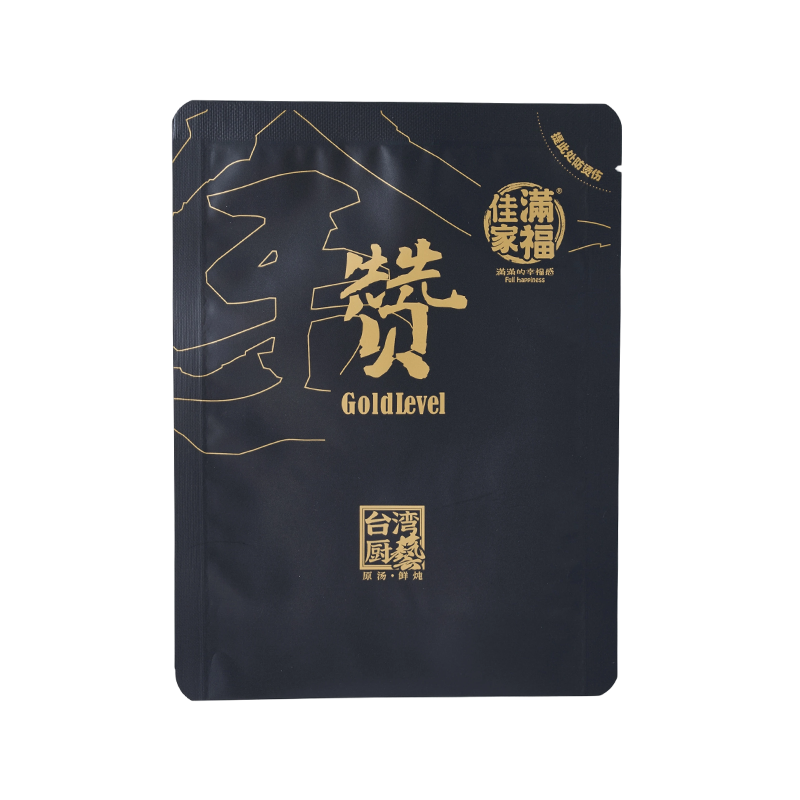
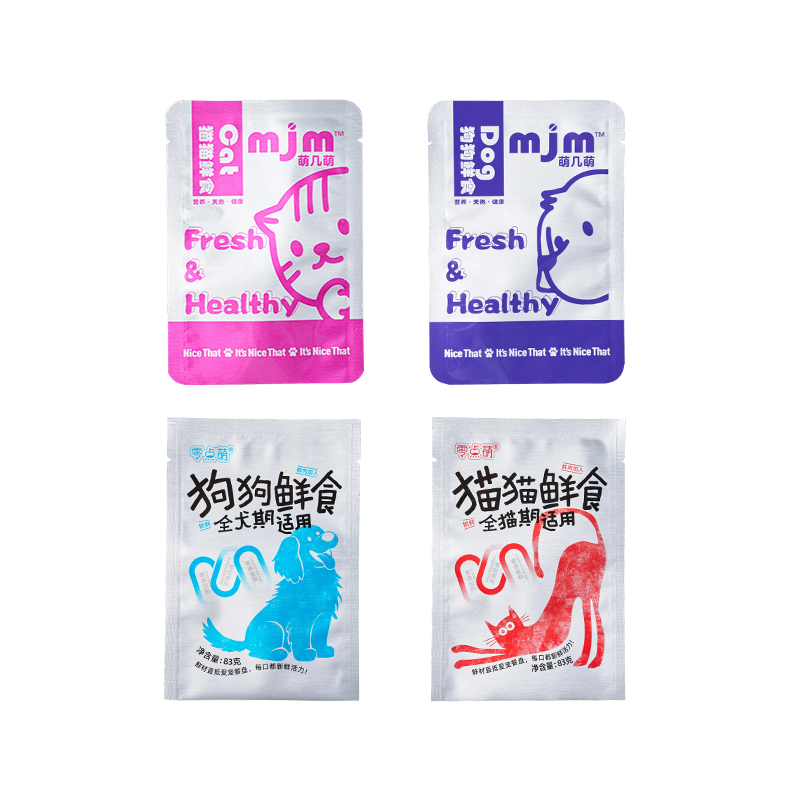
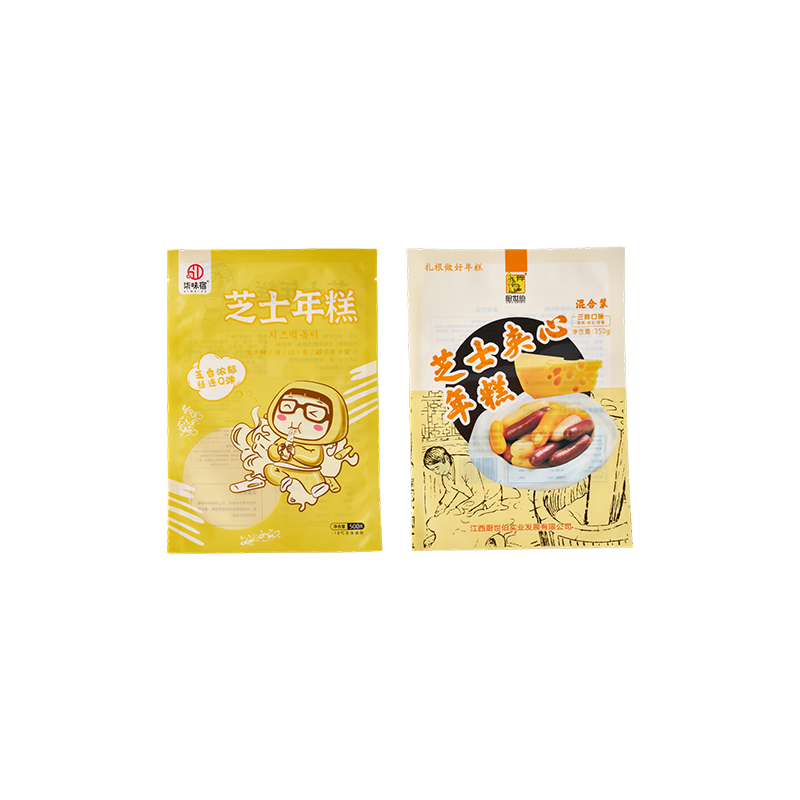
A aluminum foil retort pouch is filled, sealed, and then cooked inside a pressure vessel at 121 degrees Celsius. The foo...
READ MORE +-
 +86-13587951391
-
 [email protected]
 2nd Floor, Building B, No. 1088, Shidai Avenue, Longgang City, Wenzhou, Zhejiang Province, China.

Product Categories
-
Mid Seal Bag (12)
-
Spout Pouches (10)
-
Stand Up Bag (6)
-
Plastic Printed Film Roll (2)
-
Special-Shaped Bag (8)
-
Self-Sealing Bags (12)
-
Paper Pouches (3)
-
Aluminum Foil Retort Pouches (7)
-
Laundry Detergent Spout Pouches (2)
-
Printing Toy Packaging Bags (3)
-
Custom Meat Packaging Bags (3)
-
Face Mask Packaging Bags (1)
-
Blank Packaging Bags (7)
-
Frozen Prefabricated Food Packaging Series (5)
-
Pet Food Packaging Bags (4)
-
Wall Tile Decoration Sticker (137)
-
Kitchen Oil-Proof Stickers (78)
Recent Posts
Shenhong
We are a comprehensive manufacturing enterprise integrating flexible packaging design, printing, lamination, and bag making services.
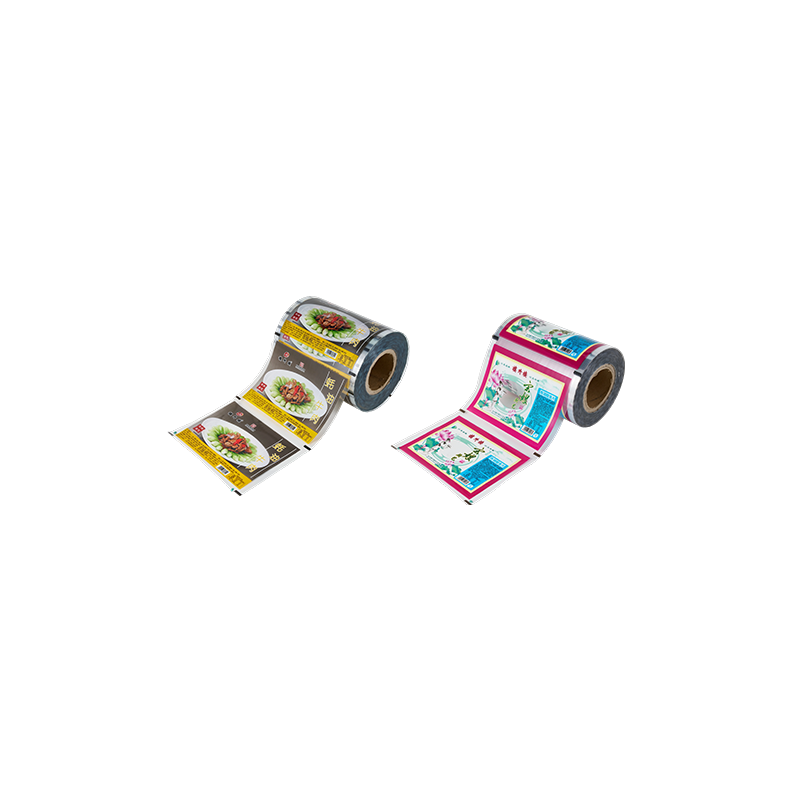
Contact UsPlastic Printed Film Roll
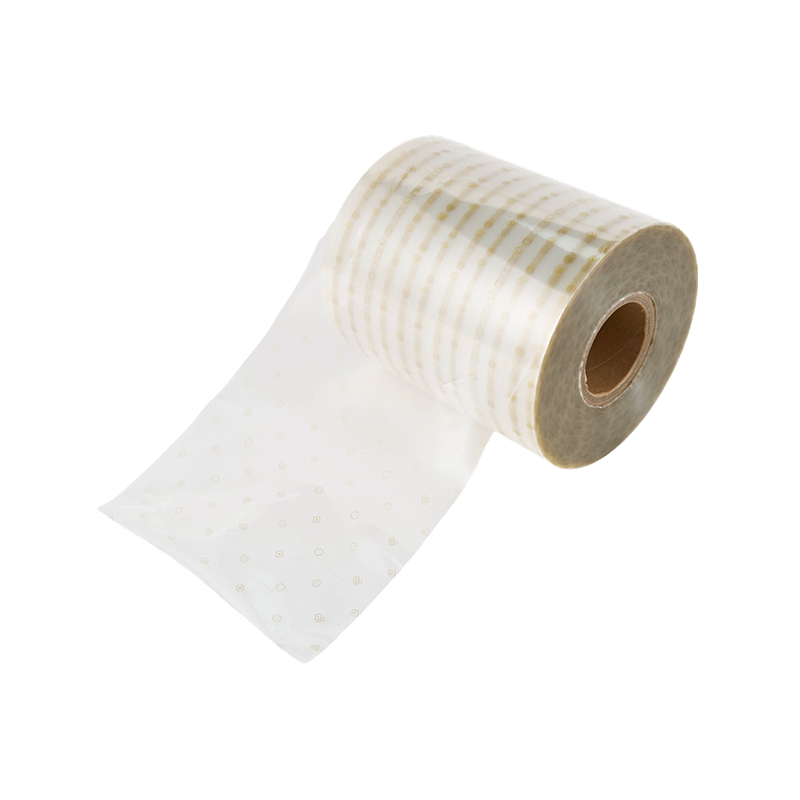
Suitable for automatic packaging.
Low cost and good for improving production efficiency. Plastic printed film rolls are commonly used for packaging food, daily necessities, and industrial products. They offer reliable sealing performance and excellent flexibility. The material, thickness, and printing design can be customized according to production needs, making them ideal for high-speed packaging lines and helping maintain consistent packaging quality.
About Us
Shen Hong Printing Co.,Ltd.
Founded in 1983, Shen Hong Printing Co., Ltd. from Wenzhou is a leading science and technology enterprise based in Zhejiang Province, China, specializing in packaging printing and flexible packaging solutions. The company integrates packaging design, packaging print, gravure printing, lamination, and precision bag manufacturing, providing customers with comprehensive, high-quality packaging solutions.
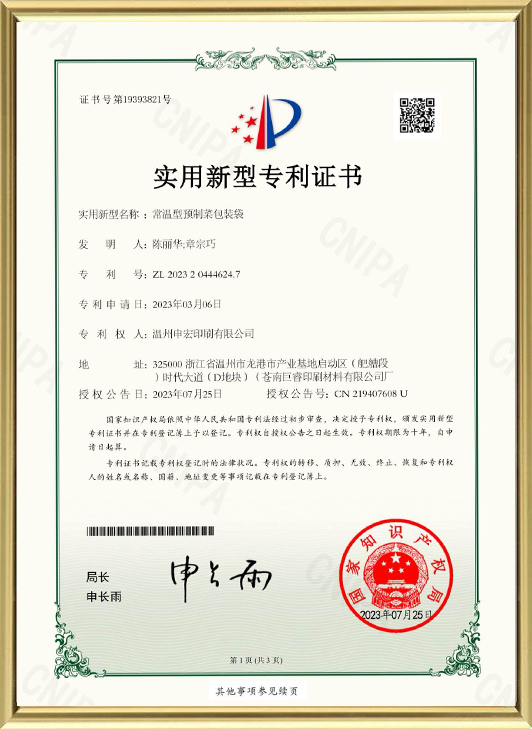
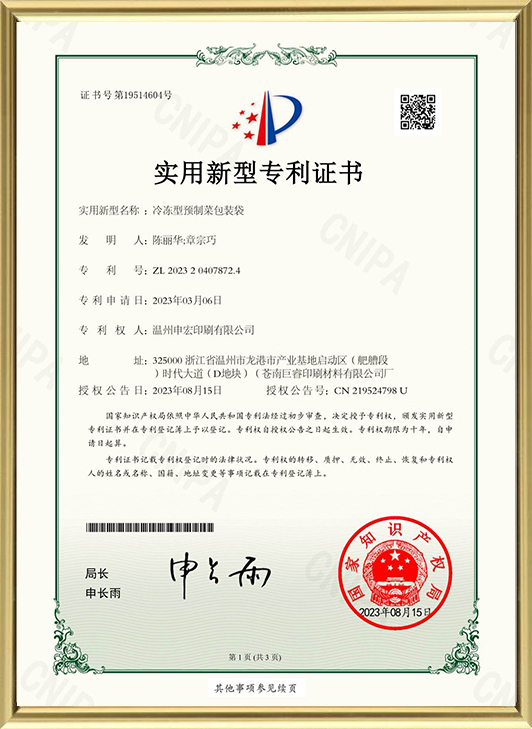
Shenhong specializes in the development and production of high-temperature retort packaging and low-temperature frozen packaging for the prepared food industry, and has obtained multiple utility model patents, demonstrating its commitment to continuous innovation.
The company operates advanced automated production equipment, including gravure printing presses, laminating machines, and bag-making lines capable of producing three-side seal, center seal, four-side seal, eight-side seal, stand-up, zipper, and other customized flexible packaging products.
Today, Shenhong's packaging printing products serve a wide range of industries, including food and beverage, daily consumer goods, agricultural chemicals, textiles, and electronics. Backed by over 40 years of manufacturing expertise, advanced technology, and strict quality control, the company continues to deliver reliable packaging print solutions to customers in both domestic and international markets.
Latest News
-
-
A bag of dog food sits in a warehouse for months before a customer opens it. The kibble inside contains fats that oxidiz...
READ MORE + -
A bag of coffee, a pouch of granola, a pack of dried fruit. These are not flat bags. They stand. The bottom gusset opens...
READ MORE + -
A bag of dog food sits on the shelf next to thirty other bags. The customer walks by, glancing. The bag has two seconds ...
READ MORE + -
A self-sealing bag has a simple mechanism: two strips of adhesive, one on each side of the opening, that press together ...
READ MORE +
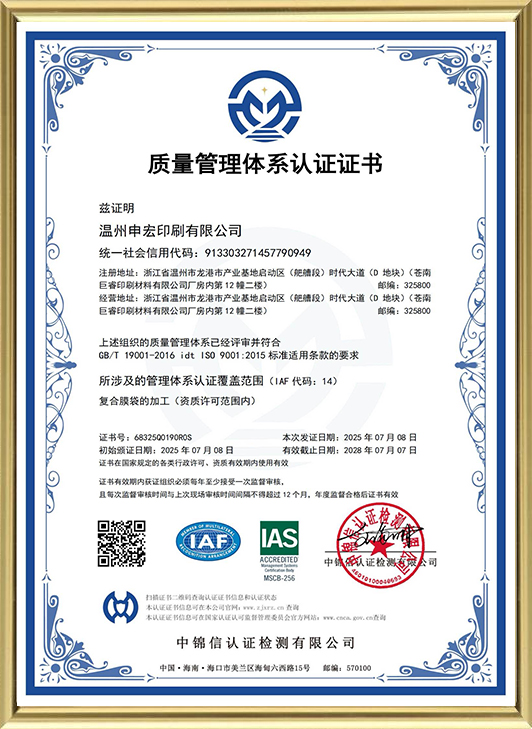
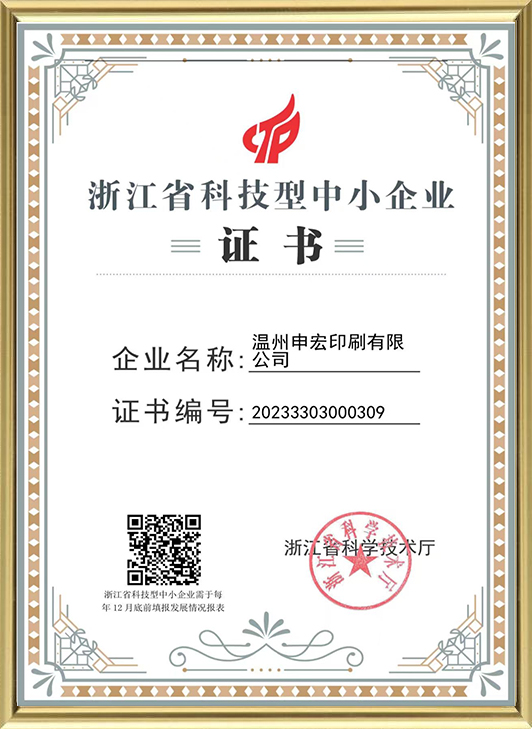
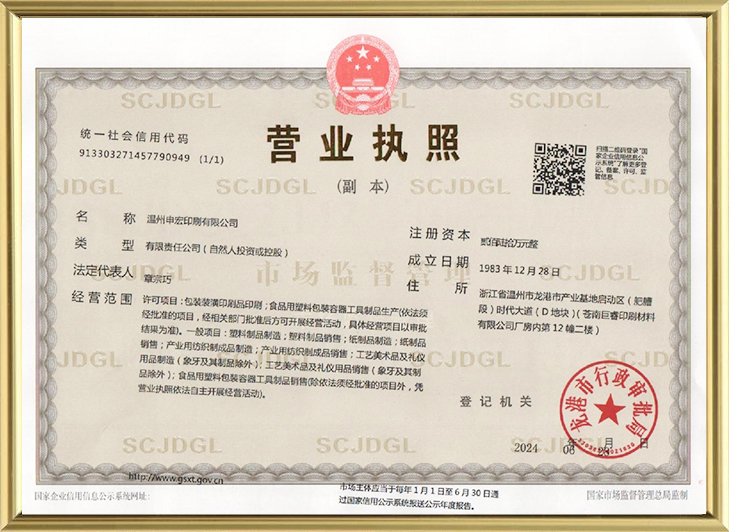
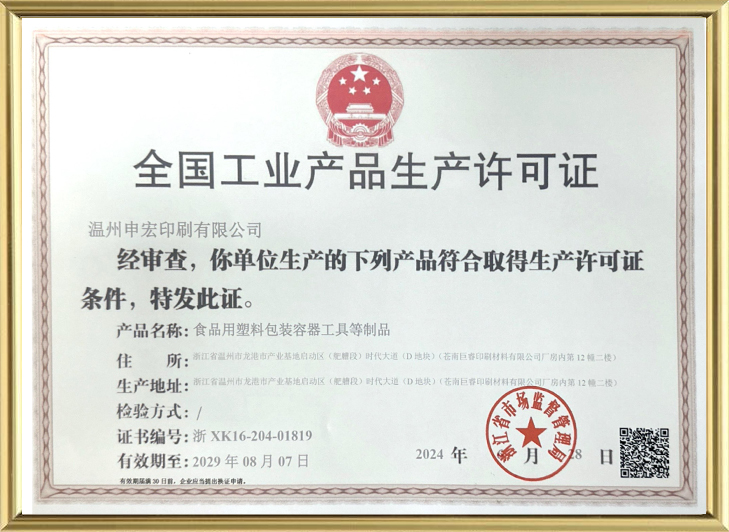
Certificate Of Honor
Message Feedback
Clear Vision, Cold Chain, and Compliance: How Anti Fog Packaging Film Is Solving Fresh Food Logistics Challenges
How Anti Fog Packaging Film Meets Critical Needs in Fresh Food and Cold Chain Logistics
Defining the anti fog challenge in fresh food logistics
Walk into any supermarket produce section and look at the packaged salads, cut fruits, or fresh herbs. If the packaging is fogged up, the product looks unappealing. If it is crystal clear, the product looks fresh and inviting. This difference is not just cosmetic—it affects purchasing decisions and food waste. How anti fog packaging film meets critical needs in fresh food and cold chain logistics starts with understanding the science of condensation.
The science of fogging in fresh food packaging
Fresh produce respires—it releases moisture and carbon dioxide. When warm, moist air inside the package meets the cooler surface of the film during refrigeration, condensation forms. This fog blocks visibility and creates a humid environment that promotes microbial growth. Anti fog films address this by reducing the surface tension of the film, allowing condensed water to spread into a continuous, transparent layer rather than forming fog droplets.
Cold chain logistics requirements
Fresh food travels through multiple temperature zones—from field to packing facility, through refrigerated trucks, to distribution centers, and finally to retail coolers. Each temperature change creates condensation risk. Anti fog packaging must perform across this entire cold chain, maintaining clarity at temperatures from ambient down to 2–4°C. The anti fog treatment must be durable enough to survive the entire journey.
A scenario from cold chain logistics
A produce distributor shipping fresh-cut fruit from California to East Coast retailers experienced customer complaints about foggy packaging. The fruit looked unappealing on shelves. Switching to an anti fog packaging film reduced complaints by 80 percent. The film maintained clarity throughout the five-day cold chain journey.
Table: anti fog packaging film requirements across the cold chain
|
Cold Chain Stage |
Temperature Range |
Anti Fog Challenge |
Film Requirement |
|
Field packing |
Ambient (15–30°C) |
Initial condensation from produce respiration |
Immediate anti fog activation |
|
Refrigerated transport |
2–4°C (chilled) |
Condensation from temperature drop; extended duration |
Sustained anti fog performance over 2–7 days |
|
Distribution center |
Variable (2–10°C) |
Multiple temperature changes; handling |
Anti fog survival through temperature cycling |
|
Retail display |
2–4°C (chilled) |
Continuous low-temperature exposure; consumer visibility |
Clarity at point of sale |
|
Consumer transport |
Variable (2–25°C) |
Temperature rise during transit from store to home |
Anti fog recovery after temperature increase |
Comparison: anti fog versus standard film in fresh food logistics
Standard film without anti fog treatment fogs within minutes of refrigeration, obscuring the product. This leads to reduced consumer appeal and increased product waste—shoppers often leave foggy-packaged items on the shelf. Anti fog film maintains clarity throughout the cold chain, improving product presentation and reducing waste. The cost difference is typically 5–15 percent. The return on investment comes from reduced waste (2–5 percent less product spoilage) and increased sales from better presentation.
How Anti Fog Packaging Film Balances Anti Fog Performance with Sustainable Packaging
Defining the sustainability challenge
Anti fog packaging has traditionally relied on coatings that can interfere with recyclability. How anti fog packaging film balances anti fog performance with sustainable packaging is a question of material innovation and careful formulation.
The anti fog mechanism and sustainability trade-off
Anti fog performance is achieved through surfactants—surface-active agents that reduce surface tension. These surfactants are often applied as coatings or incorporated into the film. The challenge is that some anti fog coatings can contaminate recycling streams or prevent the film from being recycled effectively. The coating must be compatible with recycling processes—either by being washable or by being fully compatible with the base polymer.
Sustainable solutions in anti fog packaging
- Migrating anti fog additives: surfactants incorporated into the film that migrate to the surface over time—no separate coating, simplifying the structure and improving recyclability
- Bio-based surfactants: derived from renewable sources, reducing dependence on fossil-based chemicals
- Mono-material anti fog structures: all-PE or all-PP films with anti fog properties achieved through formulation rather than lamination—compatible with existing film recycling streams
A scenario from sustainable anti fog packaging
A European fresh produce packer switched from a coated anti fog film to a mono-material PE film with migrating anti fog additives. The film maintained clarity throughout the cold chain and was fully recyclable through store-drop-off film recycling. The cost was 8 percent higher than standard non-recyclable anti fog film, but the brand's sustainability score improved.
Comparison: traditional anti fog versus sustainable anti fog packaging
Traditional anti fog films use coatings applied to the surface. They provide excellent anti fog performance but are often non-recyclable due to the coating chemistry or multi-material structure. Sustainable anti fog films use migrating additives or bio-based surfactants in mono-material structures. They provide comparable anti fog performance and are recyclable. The cost difference is typically 5–15 percent higher for sustainable options. The sustainability benefit is significant—reduced environmental impact, improved brand perception, and compliance with emerging regulations. The trend is moving decisively toward sustainable anti fog solutions, with major brands committing to fully recyclable packaging by 2025–2030.
Why Technological Innovation and Regulatory Compliance Regarding Anti Fog Coatings Are Crucial for Anti Fog Packaging Film
Defining the innovation and compliance drivers
Anti fog coatings are not a static technology. Why technological innovation and regulatory compliance regarding anti fog coatings are crucial for anti fog packaging film comes down to two forces: improving performance and meeting safety standards.
Technological innovation in anti fog coatings
- Coating durability: traditional coatings can wash off or migrate too quickly, losing effectiveness before the product reaches the consumer—new cross-linked coatings provide longer-lasting performance, extending anti fog duration from days to weeks
- Coating transparency: new nano-coatings that are invisible to the eye but highly effective at preventing fog
- Coating application methods: plasma or vapor deposition processes that apply coatings at the molecular level, reducing material usage and improving adhesion
Regulatory compliance in anti fog coatings
Anti fog coatings for food packaging must meet food contact regulations. In the US, they must comply with FDA 21 CFR requirements for indirect food additives. In Europe, they must meet EU Regulation 10/2011 for food contact materials. Coatings must not migrate into food above specified limits. Compliance requires rigorous testing, including migration tests and toxicological assessments. The testing process is expensive—$10,000–50,000 per coating formulation.
A scenario from innovation and compliance
A packaging film supplier developed a new anti fog coating with extended durability. The coating performed well in lab tests—maintaining clarity for 14 days under refrigeration. The supplier commissioned migration testing for FDA and EU compliance. The tests passed. The coating was commercialized and gained market share in the premium fresh produce segment.
Comparison: standard anti fog coatings versus innovative compliant coatings
Standard anti fog coatings provide basic performance—typically 2–5 days of clarity under refrigeration. They are often based on established chemistries that are already compliant with food contact regulations. Innovative coatings provide extended performance—7–14 days of clarity—and may use new chemistries that require compliance testing. The cost difference is significant—innovative coatings may cost 20–40 percent more due to the development and testing investment. The value comes from meeting customer needs for longer shelf life and improved presentation, which translates to lower food waste and higher sales. The regulatory compliance requirement is non-negotiable—any coating used in food contact packaging must be compliant, regardless of performance level.
FAQ
Q1: How does anti fog packaging film work?
Anti fog film works by reducing the surface tension of the film. When moisture condenses on the film surface, it spreads into a continuous, transparent layer rather than forming fog droplets. This is achieved through surfactants—either coated on the surface or incorporated into the film—that lower the surface energy.
Q2: Is anti fog packaging film recyclable?
It depends on the film structure. Traditional anti fog films with separate coatings or multi-material structures may not be recyclable. Mono-material PE or PP films with migrating anti fog additives are recyclable. Always check the packaging for recycling instructions and labeling.
Q3: What is the difference between coated and migrating anti fog films?
Coated anti fog films have a surfactant layer applied to the surface. They provide immediate anti fog performance but the coating can wash off or degrade over time. Migrating anti fog films have the surfactant incorporated into the film. It migrates to the surface over time, providing sustained performance throughout the product's shelf life. Migrating films are generally more durable and compatible with recycling.
Q4: Are anti fog coatings safe for food contact?
Yes, when compliant with regulations. Anti fog coatings for food packaging must meet FDA 21 CFR requirements in the US and EU 10/2011 requirements in Europe. The coating must not migrate into food above specified limits. Always source anti fog packaging from suppliers who provide regulatory compliance documentation.
Q5: What is the shelf life difference between anti fog and standard packaging for fresh produce?
Anti fog packaging does not directly extend shelf life—it maintains product visibility. However, by preventing condensation, it reduces the humid microclimate that promotes microbial growth. This can extend shelf life by 1–3 days for some produce. The primary benefit is improved presentation, which reduces consumer rejection and food waste.
Contact
- ADD:
2nd Floor, Building B, No. 1088, Shidai Avenue, Longgang City, Wenzhou, Zhejiang Province, China.
- Mobile Phone:
+86-13587951391
- Tel:
+86-577-64465999
- Email:
Stay In Touch
Copyright © Shen Hong Printing Co.,Ltd.
All Rights Reserved.
