

 Español
 عربى
عربى
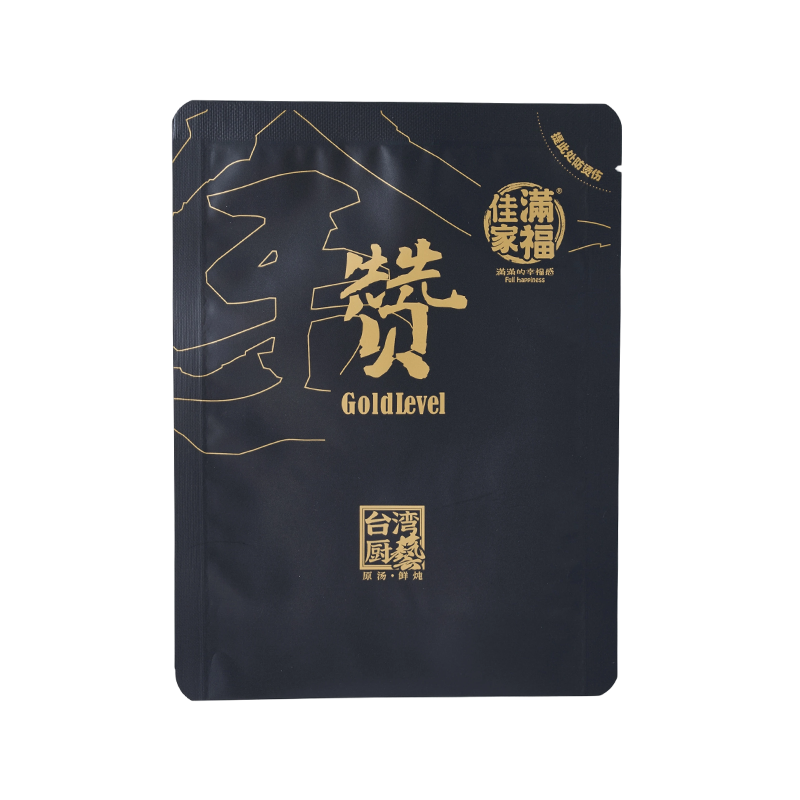
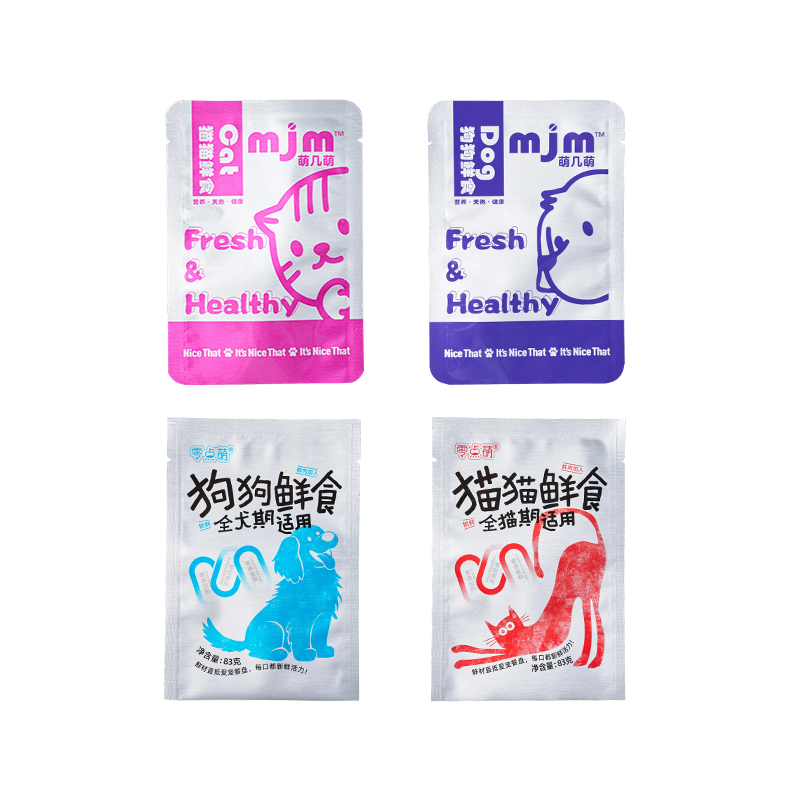
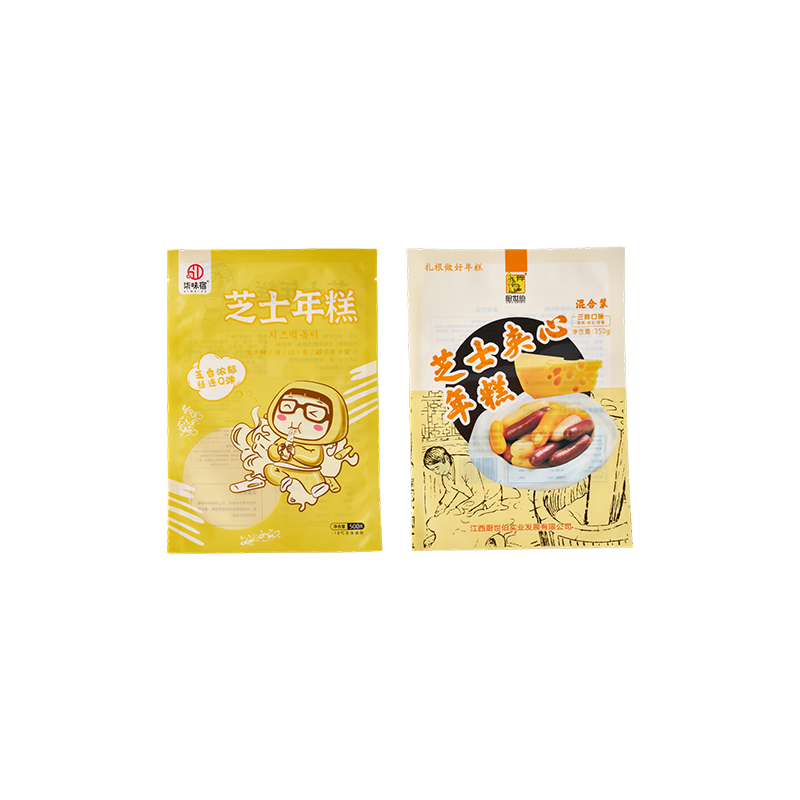
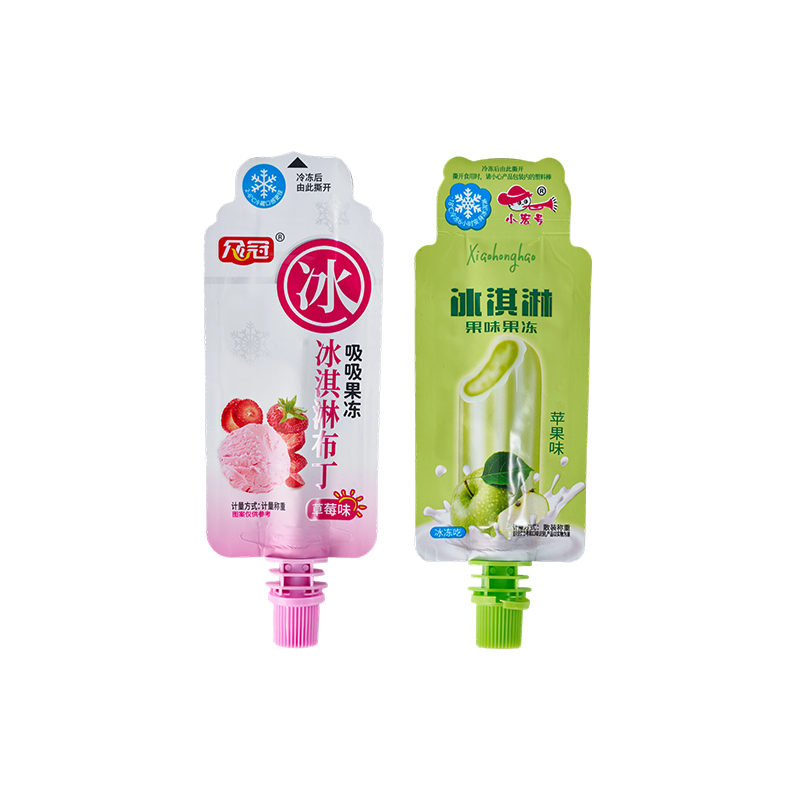
A aluminum foil retort pouch is filled, sealed, and then cooked inside a pressure vessel at 121 degrees Celsius. The foo...
READ MORE +-
 +86-13587951391
-
 [email protected]
 2nd Floor, Building B, No. 1088, Shidai Avenue, Longgang City, Wenzhou, Zhejiang Province, China.

Product Categories
-
Mid Seal Bag (12)
-
Spout Pouches (10)
-
Stand Up Bag (6)
-
Plastic Printed Film Roll (2)
-
Special-Shaped Bag (8)
-
Self-Sealing Bags (12)
-
Paper Pouches (3)
-
Aluminum Foil Retort Pouches (7)
-
Laundry Detergent Spout Pouches (2)
-
Printing Toy Packaging Bags (3)
-
Custom Meat Packaging Bags (3)
-
Face Mask Packaging Bags (1)
-
Blank Packaging Bags (7)
-
Frozen Prefabricated Food Packaging Series (5)
-
Pet Food Packaging Bags (4)
-
Wall Tile Decoration Sticker (137)
-
Kitchen Oil-Proof Stickers (78)
Recent Posts
Shenhong
We are a comprehensive manufacturing enterprise integrating flexible packaging design, printing, lamination, and bag making services.
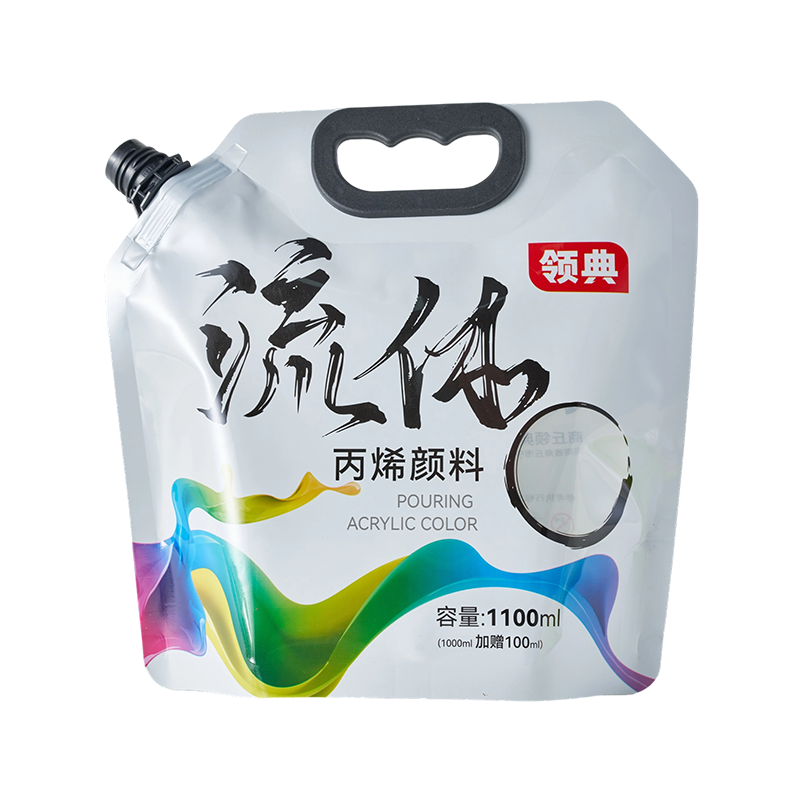
Contact UsLarge Volume Spout Pouch Custom
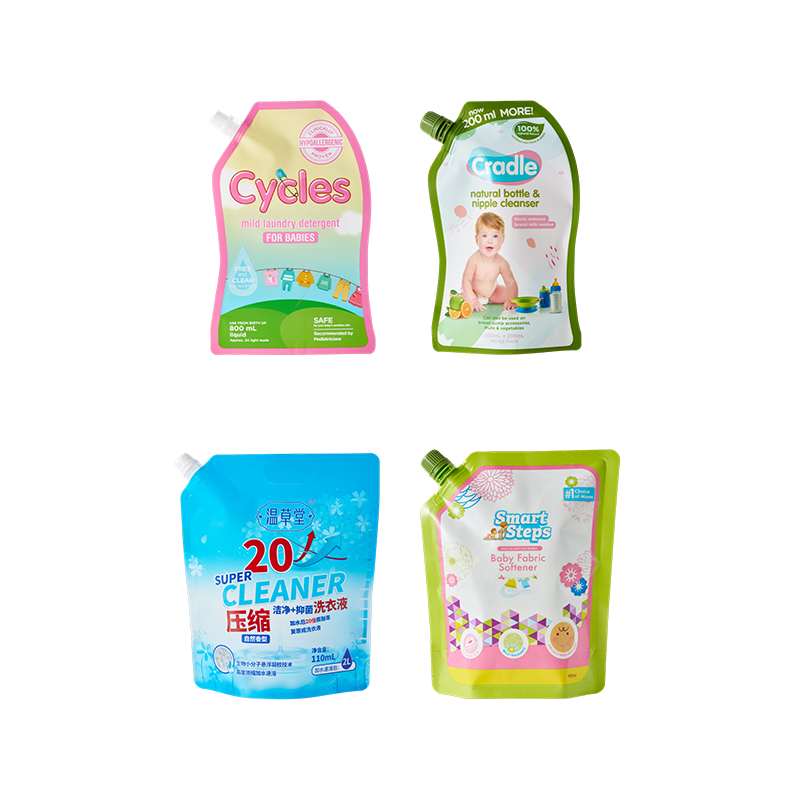
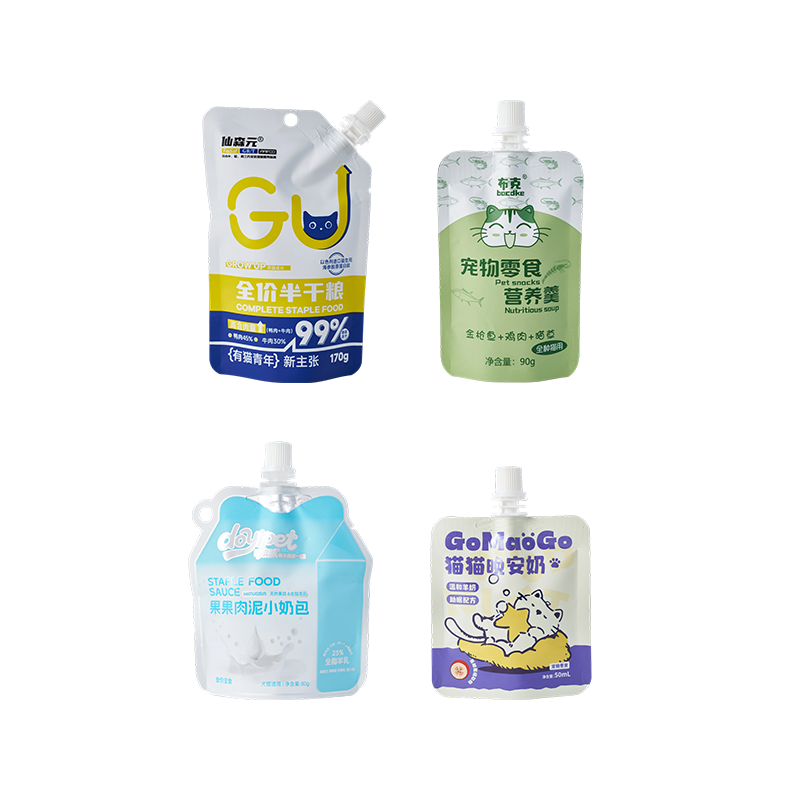
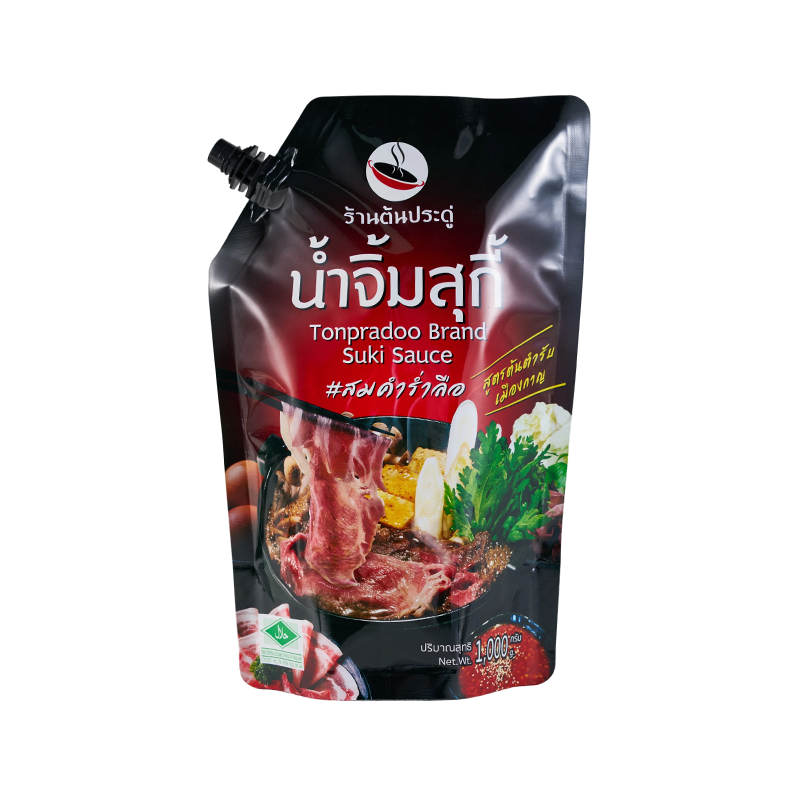
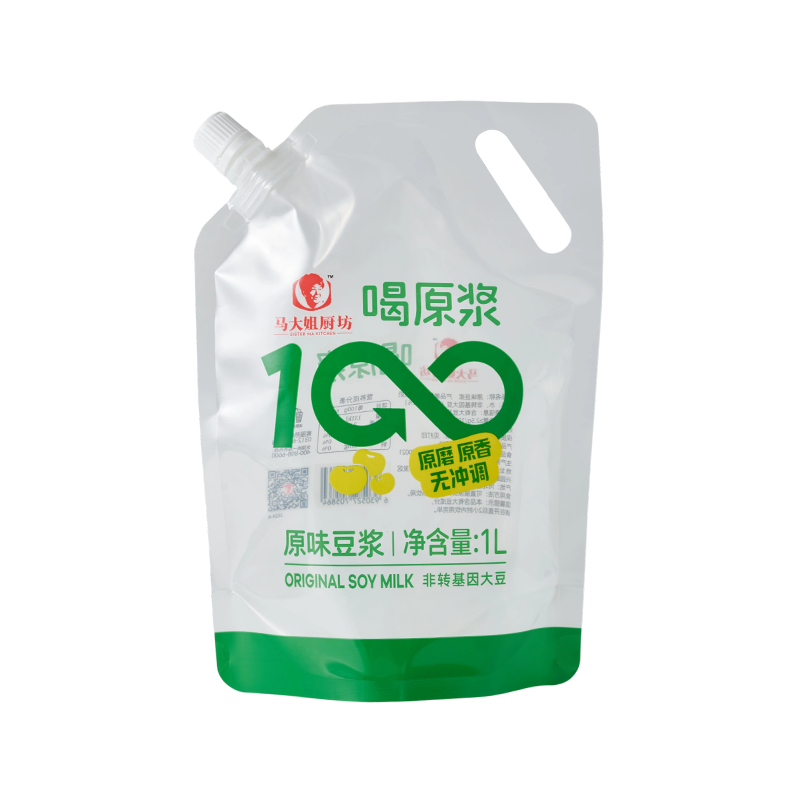
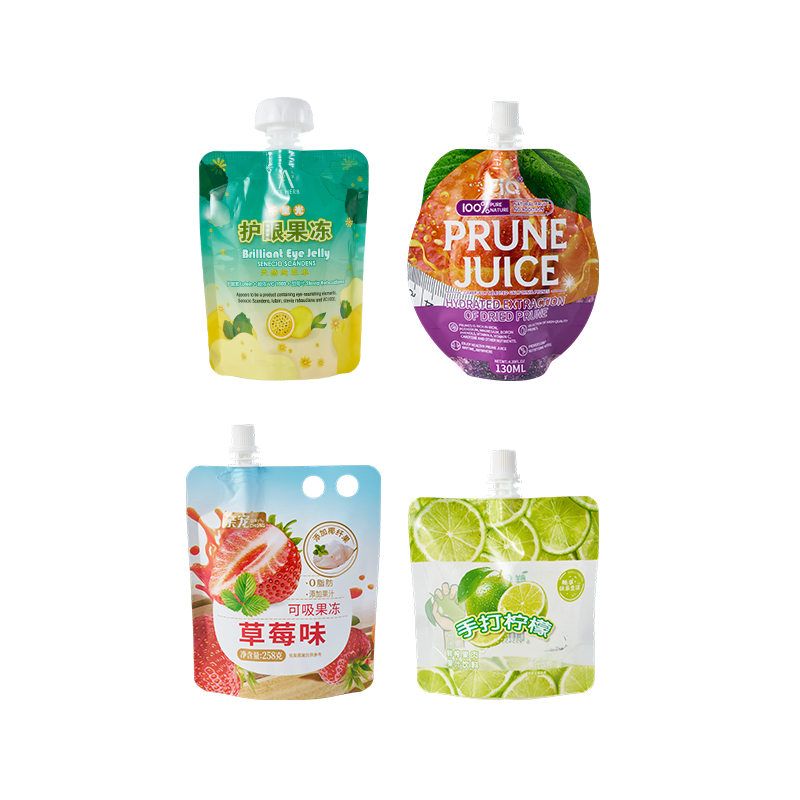
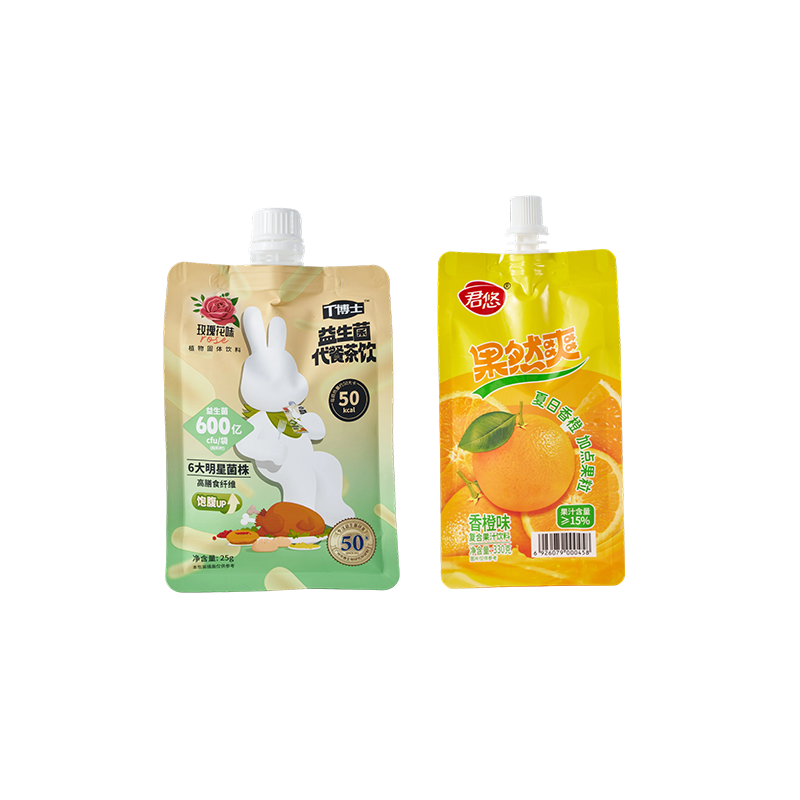
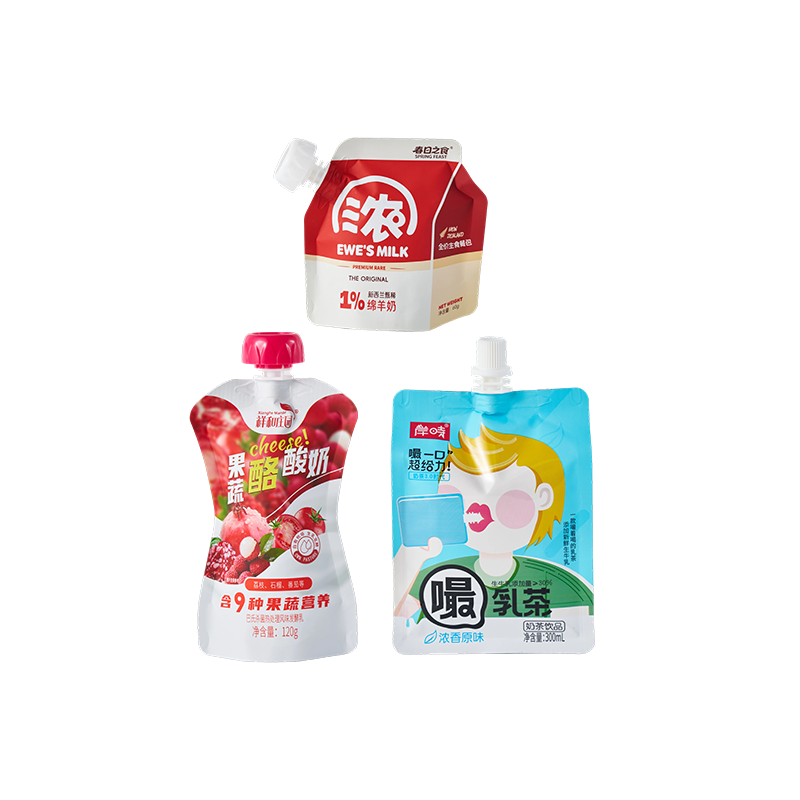
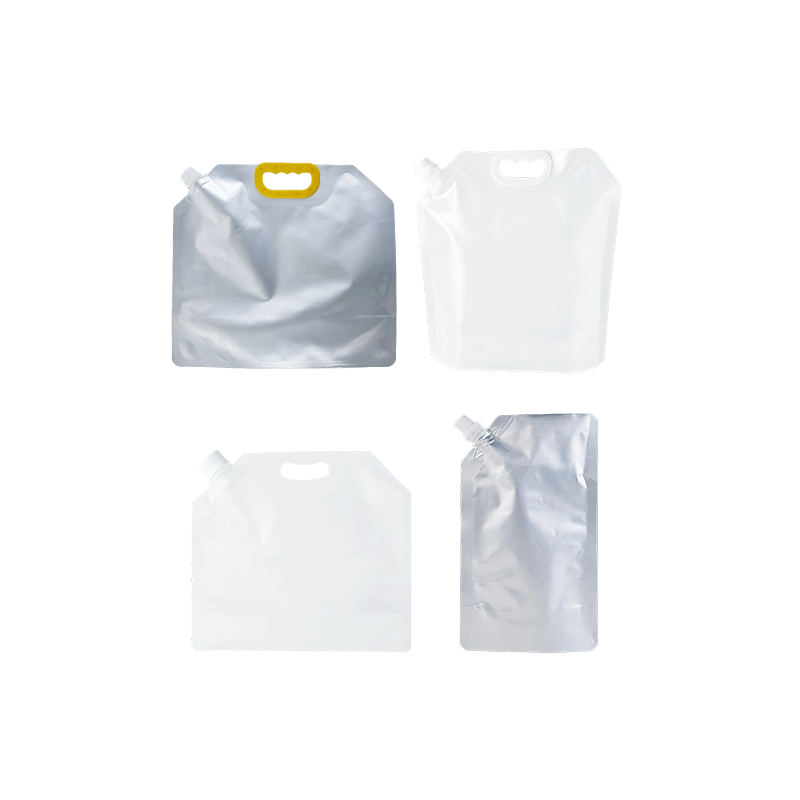
Suitable for liquid products, such as juice, water, etc.Excellent barrier, moisture-proof, oxygen-resistant, and good sealing performance to extend the shelf life. In addition, spout pouches offer convenient portability and are well-suited for on-the-go consumption. Their lightweight structure helps reduce transportation costs while maintaining reliable durability. The pouch shape, spout size, and printing design can all be customized, enhancing brand visibility and meeting various packaging needs.
About Us
Shen Hong Printing Co.,Ltd.
Founded in 1983, Shen Hong Printing Co., Ltd. from Wenzhou is a leading science and technology enterprise based in Zhejiang Province, China, specializing in packaging printing and flexible packaging solutions. The company integrates packaging design, packaging print, gravure printing, lamination, and precision bag manufacturing, providing customers with comprehensive, high-quality packaging solutions.
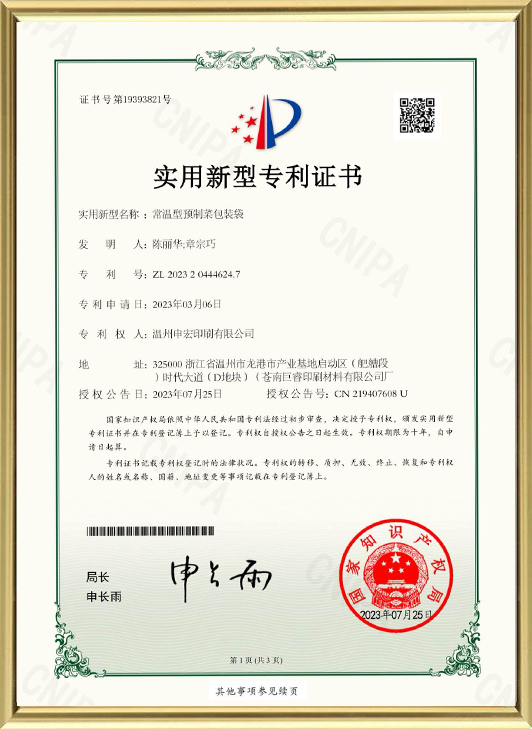
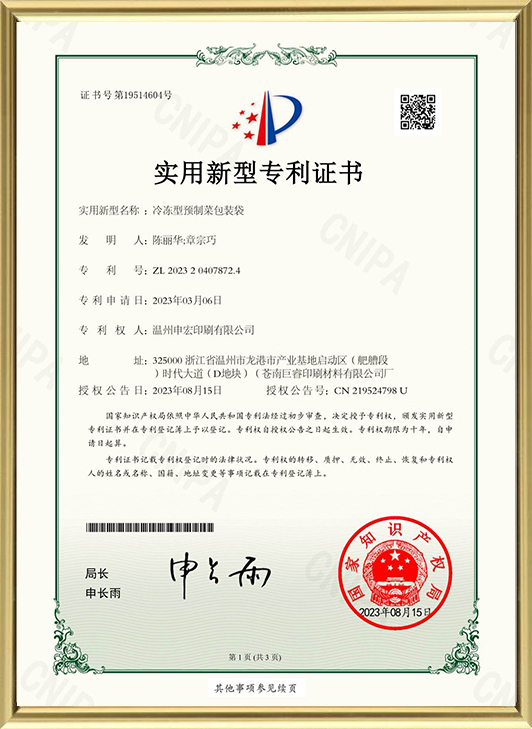
Shenhong specializes in the development and production of high-temperature retort packaging and low-temperature frozen packaging for the prepared food industry, and has obtained multiple utility model patents, demonstrating its commitment to continuous innovation.
The company operates advanced automated production equipment, including gravure printing presses, laminating machines, and bag-making lines capable of producing three-side seal, center seal, four-side seal, eight-side seal, stand-up, zipper, and other customized flexible packaging products.
Today, Shenhong's packaging printing products serve a wide range of industries, including food and beverage, daily consumer goods, agricultural chemicals, textiles, and electronics. Backed by over 40 years of manufacturing expertise, advanced technology, and strict quality control, the company continues to deliver reliable packaging print solutions to customers in both domestic and international markets.
Latest News
-
-
A bag of dog food sits in a warehouse for months before a customer opens it. The kibble inside contains fats that oxidiz...
READ MORE + -
A bag of coffee, a pouch of granola, a pack of dried fruit. These are not flat bags. They stand. The bottom gusset opens...
READ MORE + -
A bag of dog food sits on the shelf next to thirty other bags. The customer walks by, glancing. The bag has two seconds ...
READ MORE + -
A self-sealing bag has a simple mechanism: two strips of adhesive, one on each side of the opening, that press together ...
READ MORE +
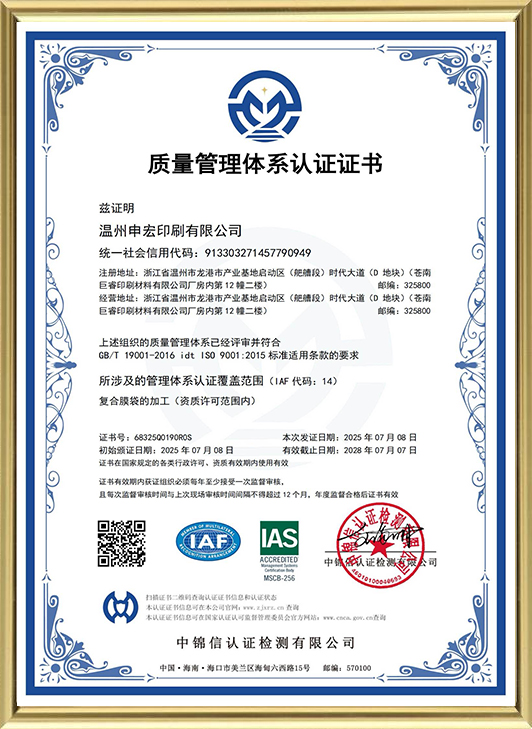
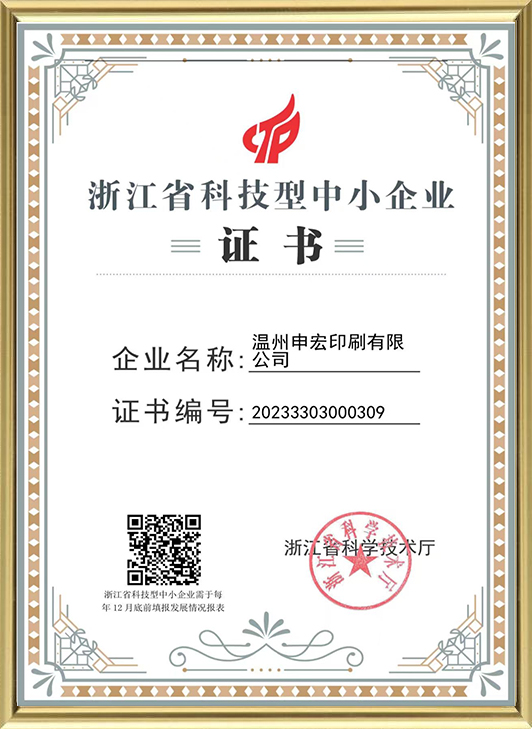
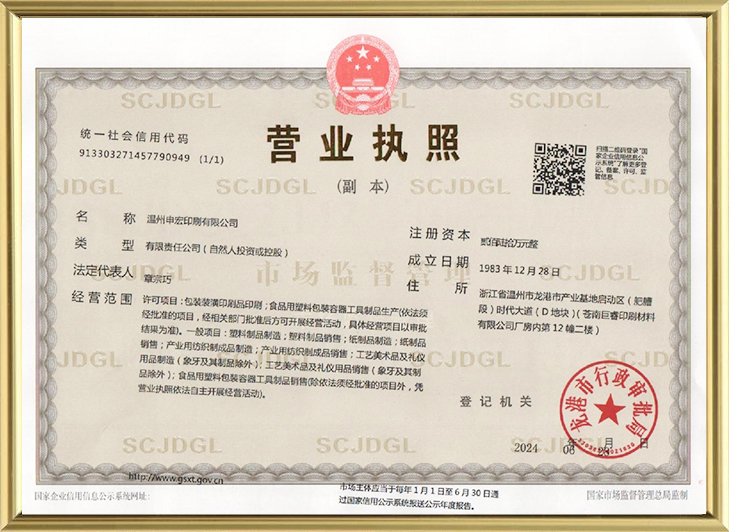
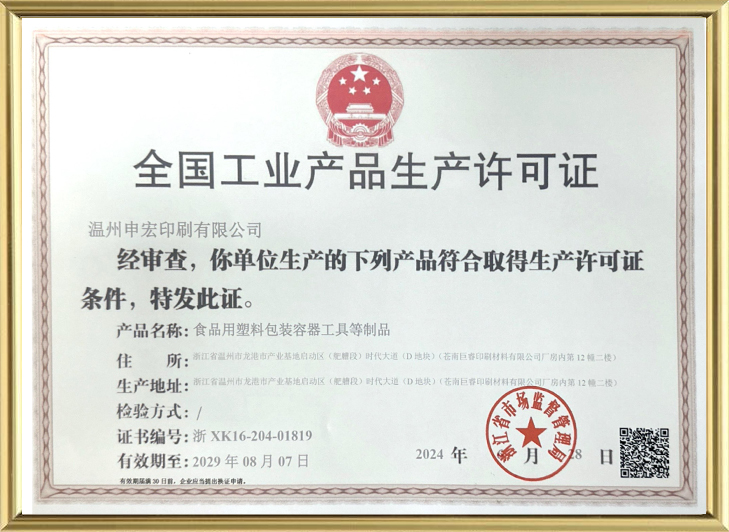
Certificate Of Honor
Message Feedback
The Spout Pouch Balancing Act: Structural Strength, Consumer Convenience, and Lightweight Innovation
Balancing Structural Strength and Convenience in Large Volume Spout Pouches
Defining the challenge of large volume spout pouches
Walk into any warehouse club or bulk food retailer, and you will see them — gallon-sized spout pouches holding cooking oils, detergents, or liquid supplements. These large volume spout pouches represent a packaging paradox: they must hold significant weight — often 3 to 5 kilograms of liquid — while remaining easy for consumers to carry, pour, and store. Balancing structural strength and convenience in large volume spout pouches is a complex engineering challenge that requires careful material selection, sealing design, and handling features.
The structural strength requirements
The first requirement is vertical load strength. A filled pouch must not burst or leak under its own weight when suspended from a display hook or carried by its handle. The film must resist tear propagation — a small nick or puncture must not spread into a catastrophic failure. This is particularly challenging for large volumes where the internal pressure at the bottom of the pouch is substantial. The second requirement is drop resistance. A large volume pouch may be accidentally dropped during stocking or home use. The packaging must survive a drop onto concrete from a counter height — approximately 0.8 to 1 meter. The seal area is the most vulnerable point; seal strength must be significantly higher than in smaller pouches.
The convenience requirements
The consumer expects the pouch to be easy to carry. A built-in handle — either integrated into the pouch shape or attached as a separate component — is essential for large volumes. The handle must be comfortable to grip and must not tear under the weight. The spout must pour without dripping or splashing. The angle of the spout, the size of the opening, and the air venting mechanism all affect the pouring experience. After opening, the pouch must stand upright on the shelf — stability requires a flat bottom or a gusseted base. The closure must be easy to open and close.
A scenario from product development
A cooking oil brand developed a 5-liter spout pouch for the foodservice market. The first prototype failed drop tests — the seal at the bottom edge burst on impact. The packaging team increased the seal width from 3mm to 8mm and added a gusseted bottom that distributed the drop energy across a wider area. The revised pouch passed the 1-meter drop test. Consumer testing showed that the wider base made the pouch more stable on kitchen counters. The product launched successfully and is now the brand's best-selling foodservice format.
Comparison: large volume spout pouches versus traditional rigid containers
Spout pouches offer significant advantages over traditional rigid containers — jugs, bottles, or cans. They weigh 80–90 percent less than rigid equivalents, reducing shipping costs and environmental impact. They collapse as the contents empty, reducing storage space and maximizing space efficiency. The cost is also lower — a spout pouch typically costs 30–50 percent less than a rigid container of the same volume. The trade-off is that spout pouches are more challenging to engineer for structural integrity. Large volumes place greater stress on seals and film. Pouring precision — particularly for thick liquids like cooking oil or syrups — can be more difficult with a flexible pouch than with a rigid bottle. The convenience of a built-in handle and the space efficiency of a flexible package often outweigh the pouring challenges, making spout pouches the preferred choice for many large volume applications.
Achieving Lightweight Design and Portability in Beverage Spout Pouches
Defining the lightweight design imperative
Beverage spout pouches — used for sports drinks, juices, flavored water, and liquid meal replacements — must be portable and easy to carry. Consumers want packaging that fits in a gym bag, a car cup holder, or a backpack. Achieving lightweight design and portability in beverage spout pouches requires minimizing material weight without compromising barrier performance or spout reliability.
The lightweighting approach
Beverage spout pouches typically range from 200 milliliters to 1 liter. The film thickness varies from 50 to 120 microns depending on the product's barrier requirements. Lightweighting involves reducing film thickness while maintaining barrier and strength. High barrier resins and multi-layer structures with precisely optimized layer ratios allow thickness reduction of 10–20 percent without compromising shelf life. The material saving is immediate and measurable — a 15 percent thickness reduction translates to 15 percent less material consumption.
The portability design requirements
The spout must be designed for on-the-go consumption. A one-handed operation — open, drink, close — is essential. The spout cap must be easy to open but secure enough not to leak. The pouch must be sized to fit in standard cup holders — typically a maximum width of 80–85 millimeters. The shape must be comfortable to hold — ergonomic contours reduce hand fatigue during extended use.
The weight and shipping implications
Lightweight design significantly reduces shipping weight and cost. A 200-milliliter beverage pouch weighs 2–3 grams compared to 15–20 grams for a glass bottle. The difference adds up to significant shipping savings. For high-volume beverage brands, lightweighting reduces carbon footprint and logistics costs.
A scenario from beverage pouch development
A sports beverage brand developed a 500-milliliter spout pouch for endurance athletes. The initial design used a 90-micron film. The team tested a 75-micron film with a barrier coating and a redesigned spout sealing area. The thinner film passed all barrier, seal, and drop tests. The weight reduction was 16 percent per pouch. Annual material savings exceeded 12 tons across production volume.
Table: lightweight design features and their impact on beverage spout pouches
|
Feature |
Implementation |
Benefit |
|
Film thickness reduction |
90 → 75 microns |
16% less material; lower carbon footprint |
|
Barrier coating (SiOx/AlOx) |
Replace EVOH layer with coating |
Maintains barrier with 5–10% material saving |
|
Ergonomic contouring |
Curved edges; finger-grip recesses |
More comfortable grip; better drinking experience |
|
Cup holder compatibility |
Width limited to 80–85mm |
Fits in vehicle cup holders |
|
Low-profile spout |
Shorter spout height; flush cap design |
Less bulk; fits in narrower pockets |
|
Collapsible design |
Pouch collapses as consumed |
Reduces volume as consumed; compact in pack |
Comparison: lightweight beverage spout pouches versus standard beverage containers
- Compared to glass bottles: 90% lighter, significantly lower shipping cost, lower environmental impact
- Compared to PET bottles: 70–80% lighter, collapses as consumed, 20–40% lower cost
- Trade-off: less rigidity, different drinking technique, may affect premium perception
For active consumers — athletes, travelers, students — the portability and convenience benefits of spout pouches outweigh any drawbacks. The format is rapidly gaining market share in the on-the-go beverage category.
FAQ
Q1: What is the typical volume range for large volume spout pouches?
Large volume spout pouches typically range from 1 liter to 5 liters, with some applications reaching 10 liters. Common sizes include 1-liter, 1.5-liter, 3-liter, and 5-liter pouches. The volume determines the film thickness, seal width, and handle design required.
Q2: How do I know if a spout pouch is structurally strong enough for my product?
Structural strength is validated through standardized testing: vertical load test (simulating stacking), drop test (simulating handling), seal strength test (simulating internal pressure), and burst test (simulating extreme conditions). Always request test data from your packaging supplier.
Q3: Can beverage spout pouches be recycled?
Yes, mono-material PE spout pouches are recyclable through store-drop-off film recycling programs. The spout — typically PP — may need to be separated or may be accepted in the same program depending on the recycler. Check with your recycling program for specific requirements.
Q4: How does film thickness affect the weight of a beverage spout pouch?
Film thickness directly affects pouch weight. A 200-milliliter pouch with 90-micron film weighs approximately 3 grams. Reducing thickness to 75 microns reduces weight to approximately 2.5 grams — a 16 percent material saving. The relationship is linear: a 10 percent thickness reduction equals a 10 percent material reduction.
Q5: What is the most important factor in designing a convenient spout pouch?
Consumer research consistently shows that leak-proof closure is the most important factor — a spout that does not leak during transport or use. The second most important factor is ease of opening — a cap that is easy to unscrew or flip open without frustration. Pouring control — the ability to pour without dripping — is the third factor. All three must be optimized for a successful spout pouch design.
Contact
- ADD:
2nd Floor, Building B, No. 1088, Shidai Avenue, Longgang City, Wenzhou, Zhejiang Province, China.
- Mobile Phone:
+86-13587951391
- Tel:
+86-577-64465999
- Email:
Stay In Touch
Copyright © Shen Hong Printing Co.,Ltd.
All Rights Reserved.
