

 Español
 عربى
عربى
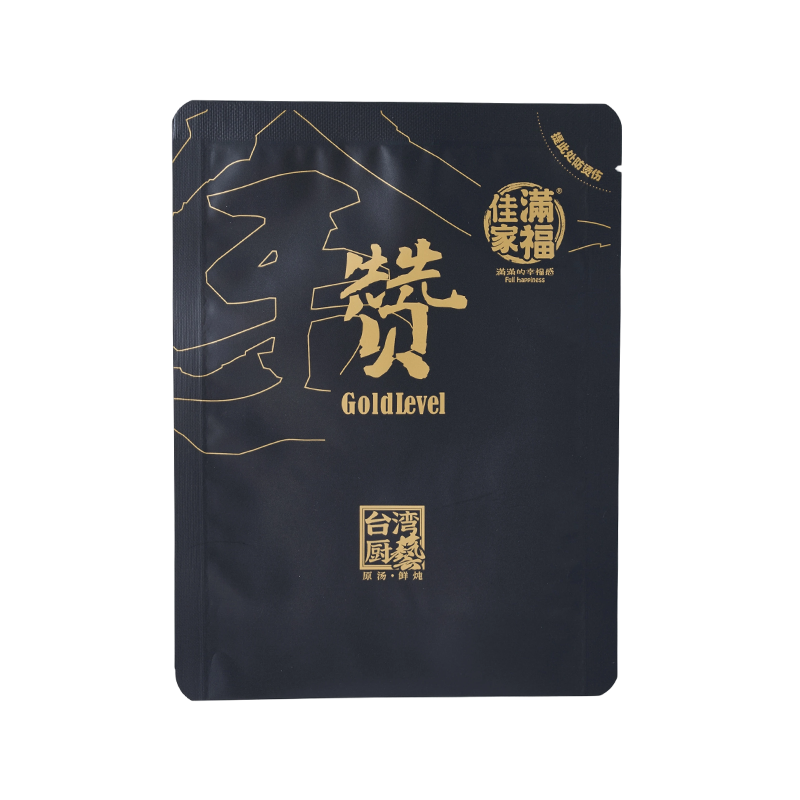
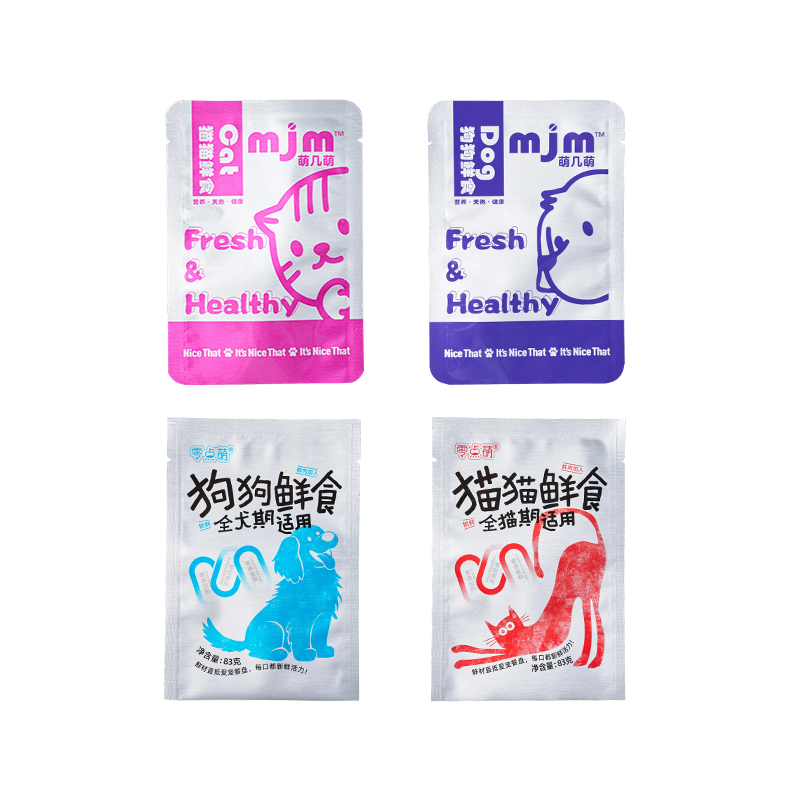
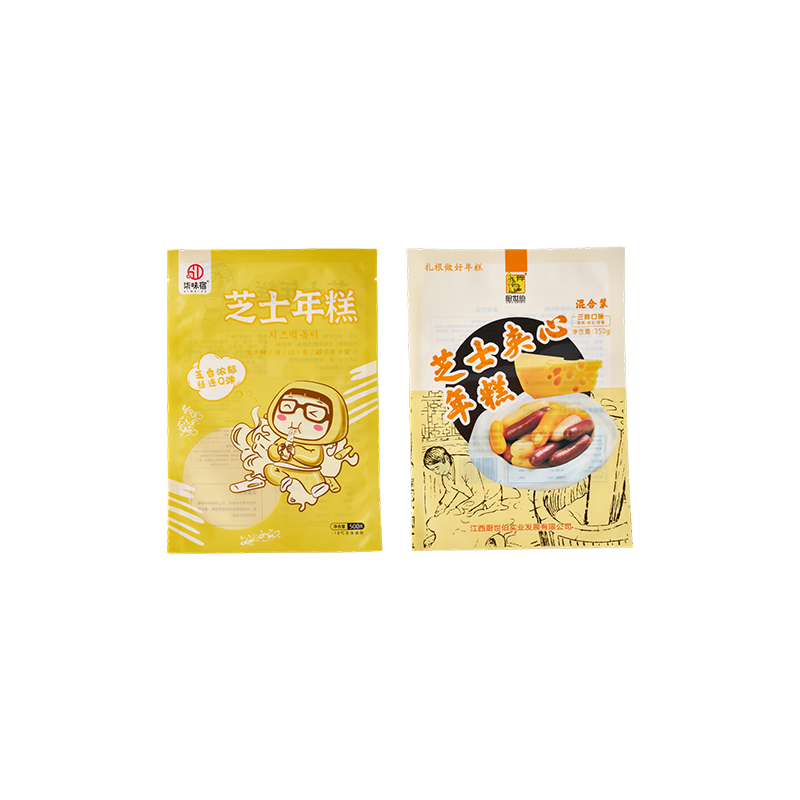
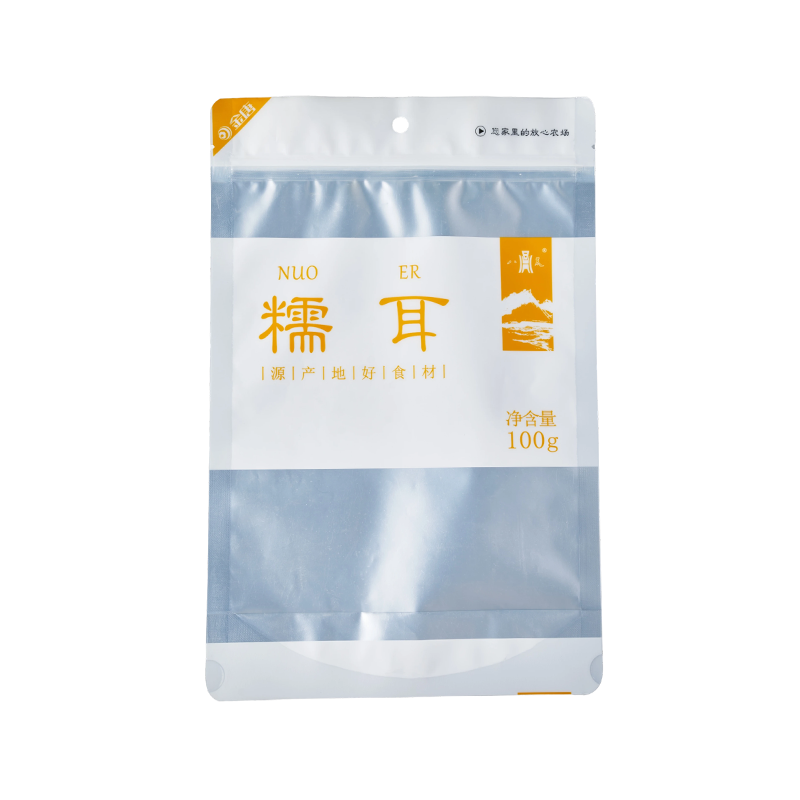
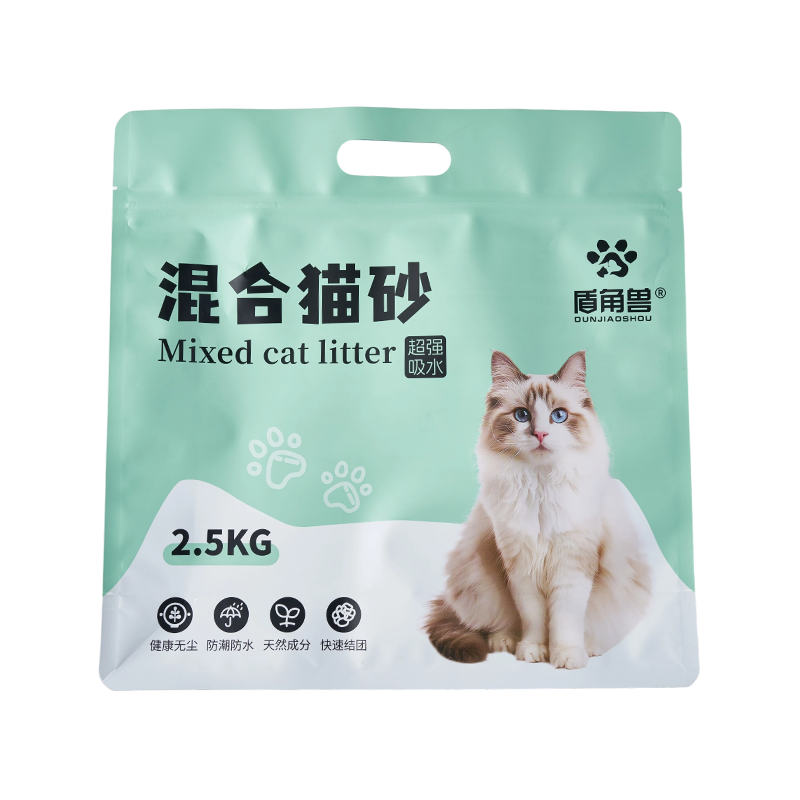
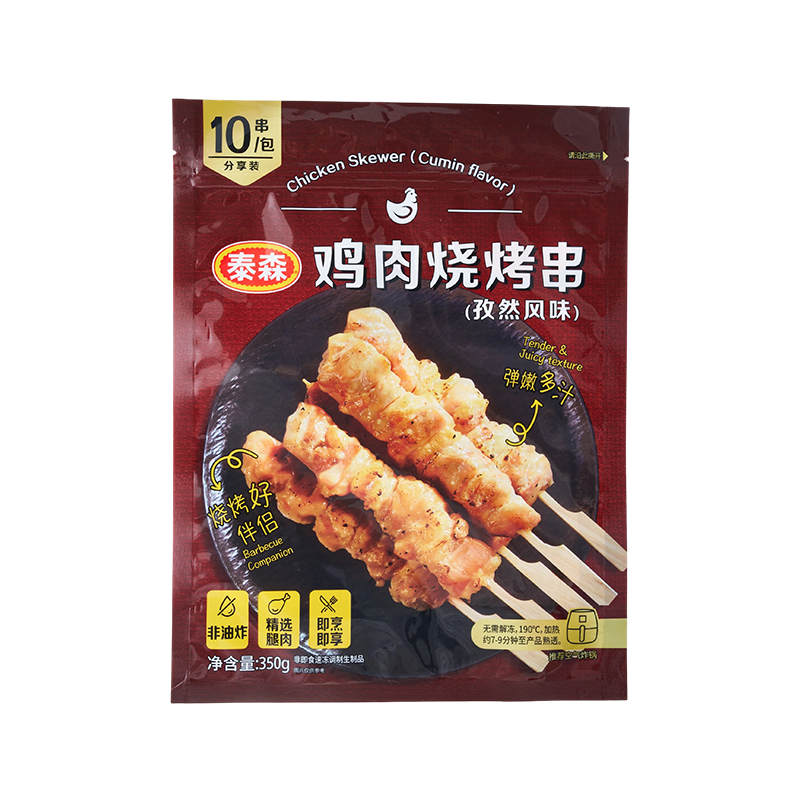
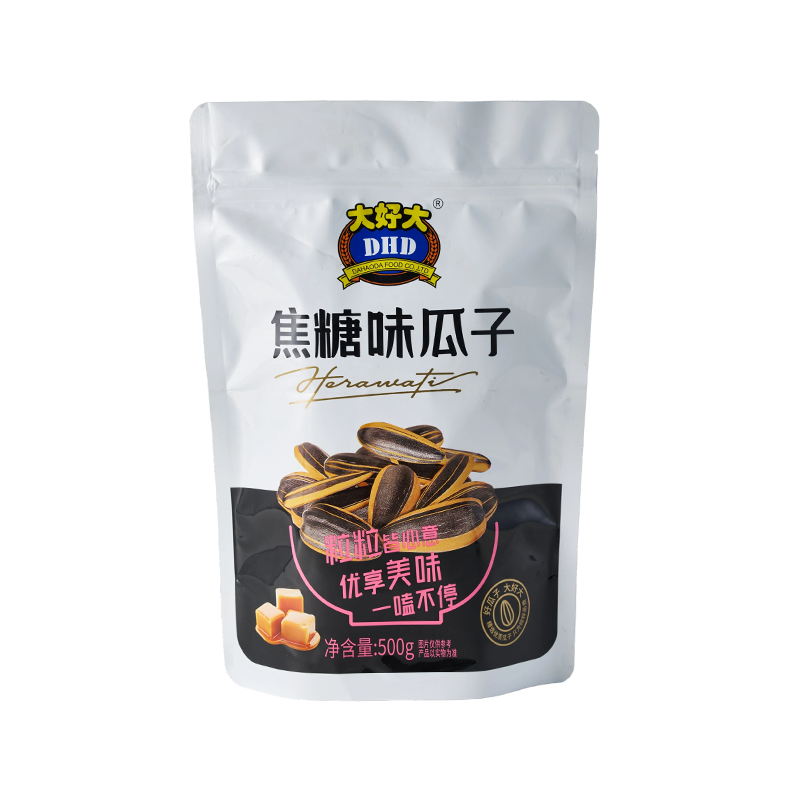
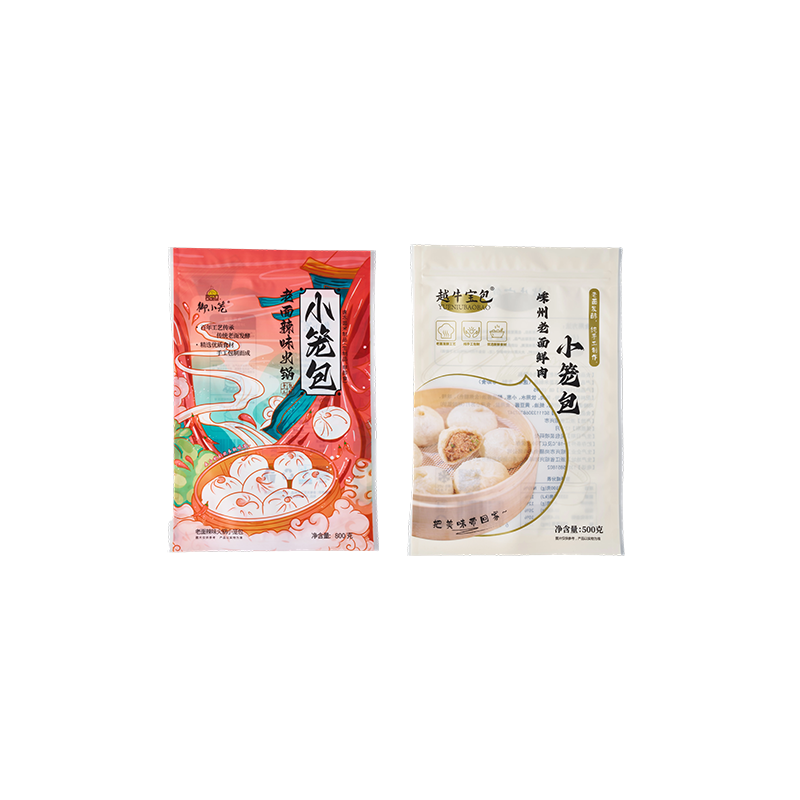
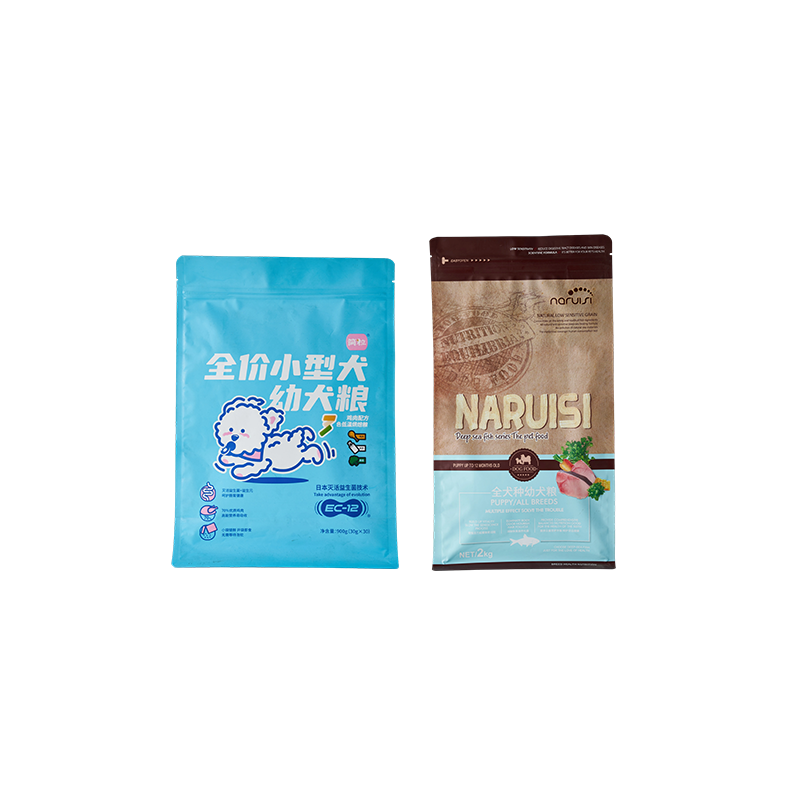
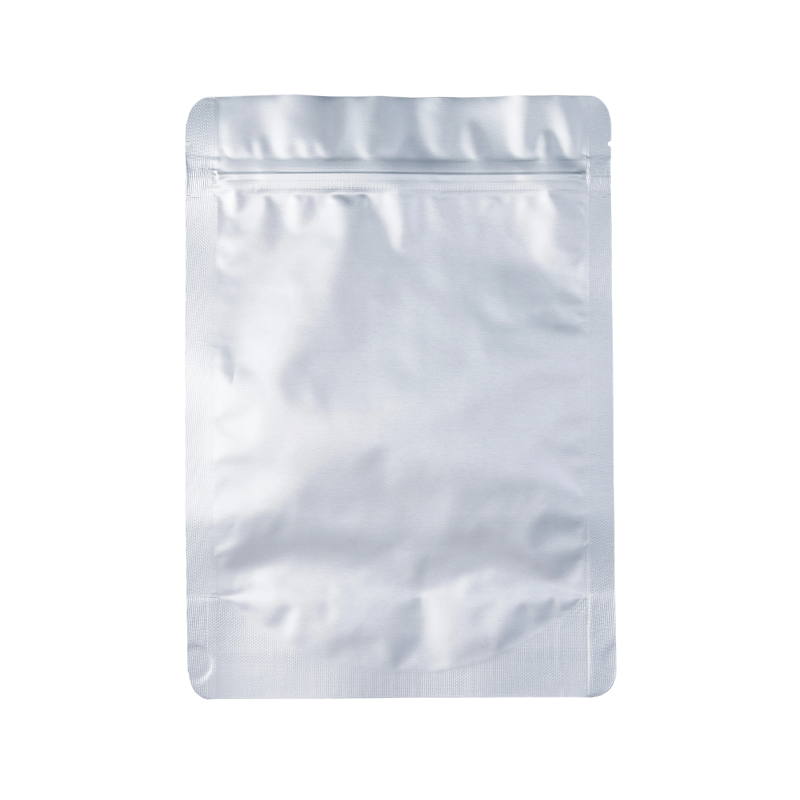
A aluminum foil retort pouch is filled, sealed, and then cooked inside a pressure vessel at 121 degrees Celsius. The foo...
READ MORE +-
 +86-13587951391
-
 [email protected]
 2nd Floor, Building B, No. 1088, Shidai Avenue, Longgang City, Wenzhou, Zhejiang Province, China.

Product Categories
-
Mid Seal Bag (12)
-
Spout Pouches (10)
-
Stand Up Bag (6)
-
Plastic Printed Film Roll (2)
-
Special-Shaped Bag (8)
-
Self-Sealing Bags (12)
-
Paper Pouches (3)
-
Aluminum Foil Retort Pouches (7)
-
Laundry Detergent Spout Pouches (2)
-
Printing Toy Packaging Bags (3)
-
Custom Meat Packaging Bags (3)
-
Face Mask Packaging Bags (1)
-
Blank Packaging Bags (7)
-
Frozen Prefabricated Food Packaging Series (5)
-
Pet Food Packaging Bags (4)
-
Wall Tile Decoration Sticker (137)
-
Kitchen Oil-Proof Stickers (78)
Recent Posts
Shenhong
We are a comprehensive manufacturing enterprise integrating flexible packaging design, printing, lamination, and bag making services.
Contact UsSelf-Sealing Bags Factory
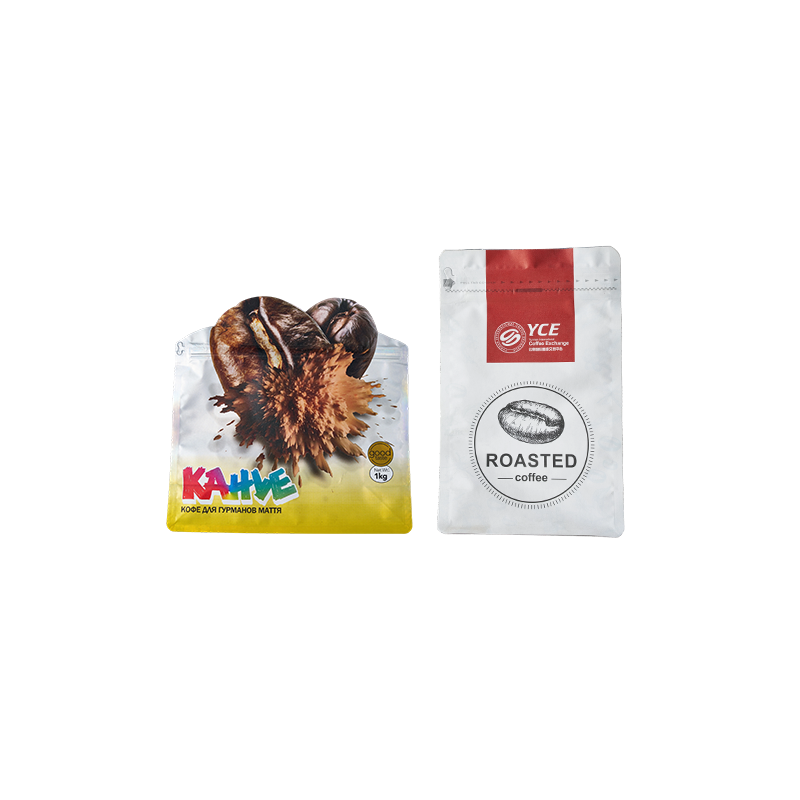
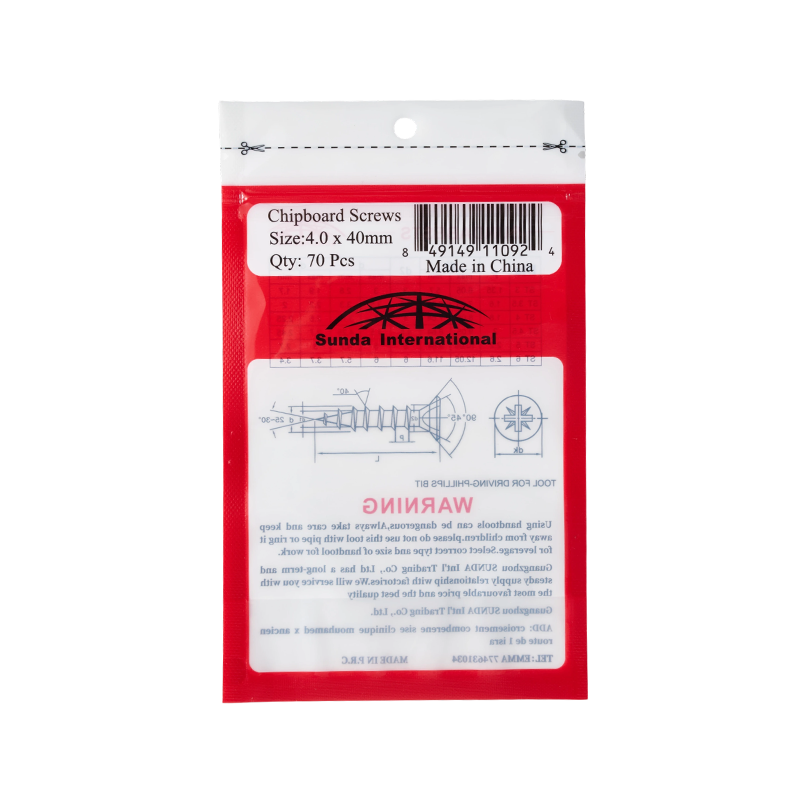
Self-Sealing Bags are primarily used for food preservation and general storage applications. They offer reliable sealing performance with moisture-proof and dust-proof protection. Some designs feature a stand-up structure for better shelf display, and various types of sealing strips can be customized to achieve the desired sealing effect.
About Us
Shen Hong Printing Co.,Ltd.
Founded in 1983, Shen Hong Printing Co., Ltd. from Wenzhou is a leading science and technology enterprise based in Zhejiang Province, China, specializing in packaging printing and flexible packaging solutions. The company integrates packaging design, packaging print, gravure printing, lamination, and precision bag manufacturing, providing customers with comprehensive, high-quality packaging solutions.
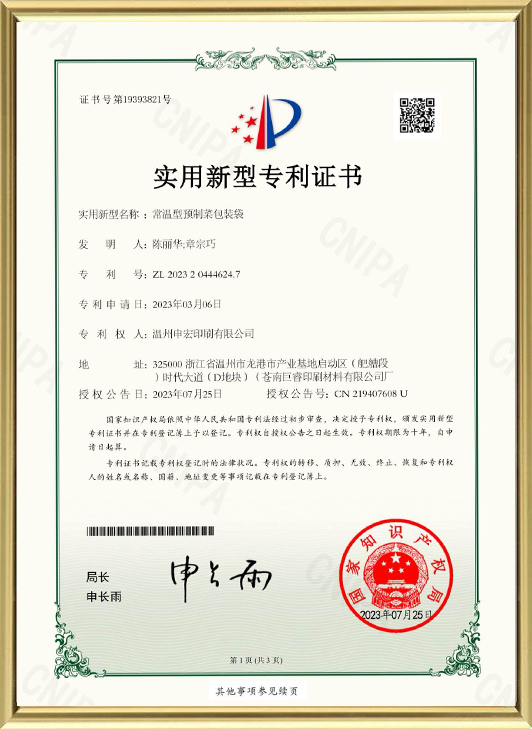
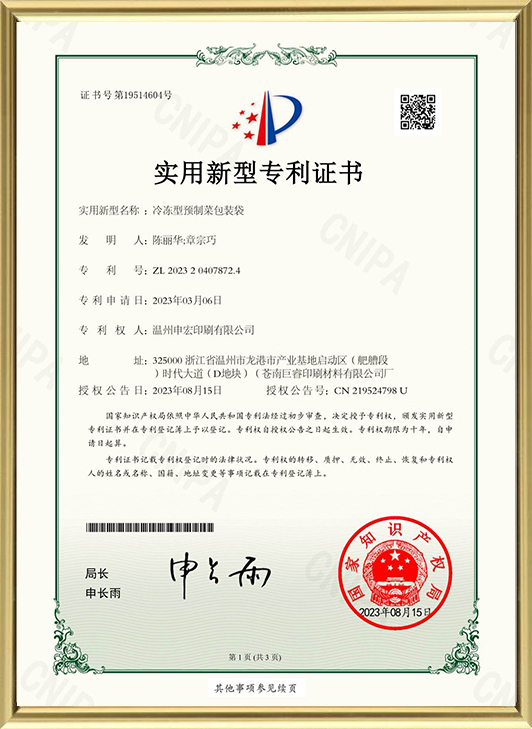
Shenhong specializes in the development and production of high-temperature retort packaging and low-temperature frozen packaging for the prepared food industry, and has obtained multiple utility model patents, demonstrating its commitment to continuous innovation.
The company operates advanced automated production equipment, including gravure printing presses, laminating machines, and bag-making lines capable of producing three-side seal, center seal, four-side seal, eight-side seal, stand-up, zipper, and other customized flexible packaging products.
Today, Shenhong's packaging printing products serve a wide range of industries, including food and beverage, daily consumer goods, agricultural chemicals, textiles, and electronics. Backed by over 40 years of manufacturing expertise, advanced technology, and strict quality control, the company continues to deliver reliable packaging print solutions to customers in both domestic and international markets.
Latest News
-
-
A bag of dog food sits in a warehouse for months before a customer opens it. The kibble inside contains fats that oxidiz...
READ MORE + -
A bag of coffee, a pouch of granola, a pack of dried fruit. These are not flat bags. They stand. The bottom gusset opens...
READ MORE + -
A bag of dog food sits on the shelf next to thirty other bags. The customer walks by, glancing. The bag has two seconds ...
READ MORE + -
A self-sealing bag has a simple mechanism: two strips of adhesive, one on each side of the opening, that press together ...
READ MORE +
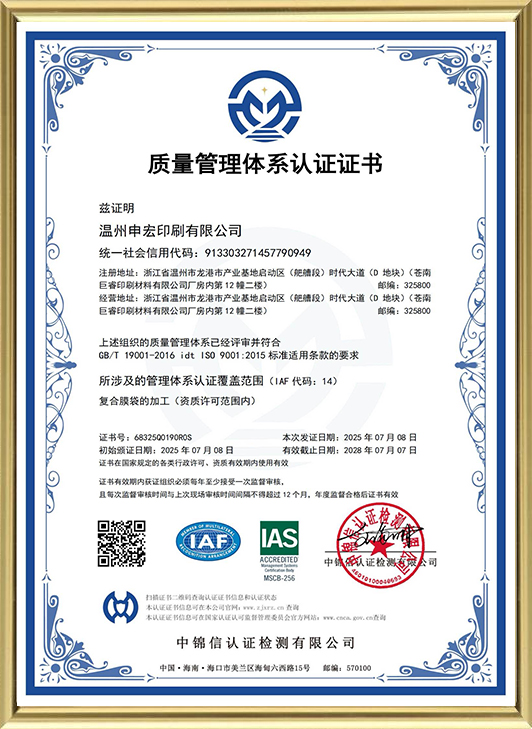
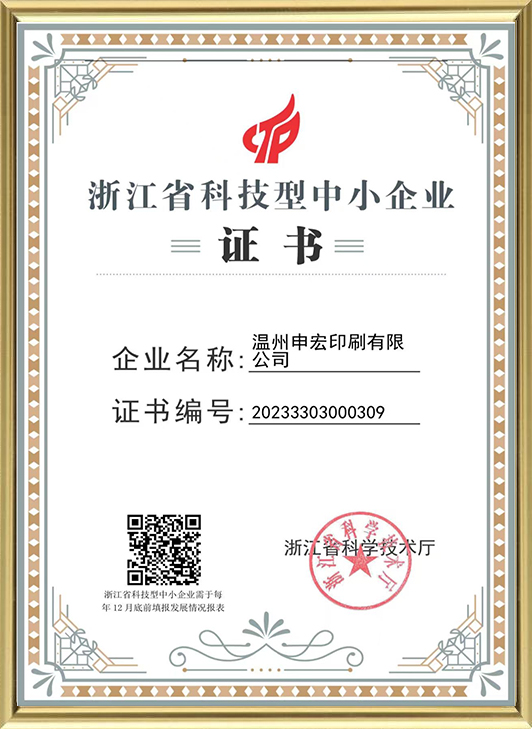
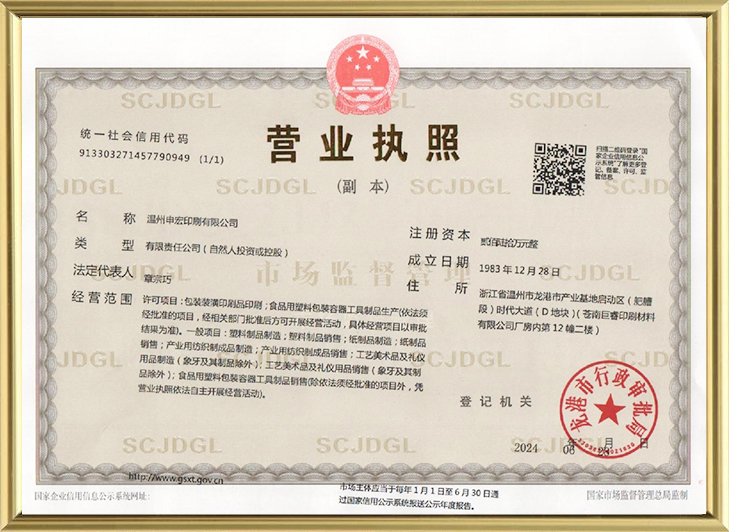
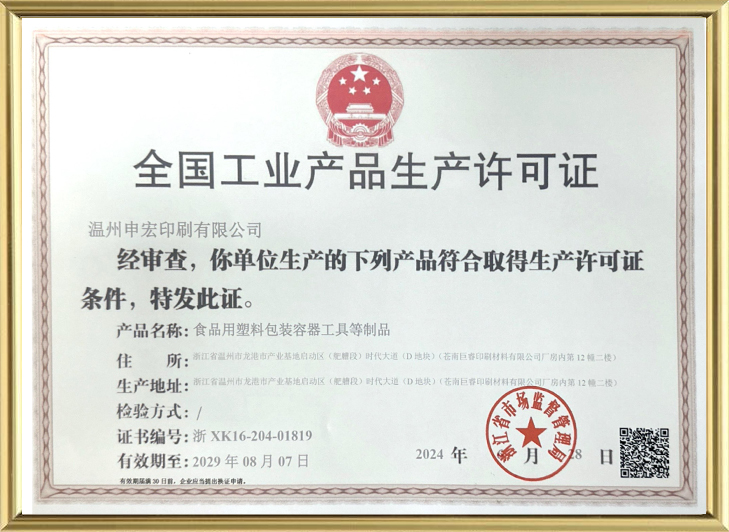
Certificate Of Honor
Message Feedback
Sealed for Success: How Ziplock Bags Are Evolving Through Sustainability, E-Commerce, and Consumer-Centric Design
Why the Eco-Friendly Transition of Self-Sealing Bags Is Becoming an Industry Trend
Defining the transition
Self-sealing bags — commonly known as ziplock bags — have been a packaging staple for decades. Their convenience is undeniable. But their environmental footprint has become a growing concern. Why the eco-friendly transition of self-sealing bags is becoming an industry trend is driven by three converging forces: consumer demand, regulatory pressure, and material innovation.
The drivers of change
Consumers are increasingly aware of plastic waste and actively seek sustainable alternatives. Brands that offer eco-friendly self-sealing bags gain competitive advantage. Regulatory pressure is mounting — single-use plastic bans and extended producer responsibility (EPR) laws are pushing brands to find sustainable solutions. Material innovation has made the transition possible: bio-based resins, recycled content, and mono-material structures now deliver the same sealing performance as traditional materials.
A scenario from the transition
A US-based food brand switched their self-sealing bags from virgin LDPE to 40 percent post-consumer recycled content. The bag maintained sealing performance. The brand's sustainability score improved, and consumer feedback was positive.
Comparison: traditional versus eco-friendly self-sealing bags
Traditional self-sealing bags use virgin LDPE with standard closures. They function well but have a high carbon footprint and are often non-recyclable. Eco-friendly self-sealing bags use recycled or bio-based materials with mono-material structures. They perform comparably and are recyclable through store-drop-off programs. The cost is typically 10–20 percent higher, but brand perception and regulatory compliance justify the investment.
Why Ziplock Packaging Bags Are Undergoing Functional Upgrades for E-Commerce
Defining the e-commerce shift
Ziplock packaging bags designed for retail shelves often fail in e-commerce shipping. The online channel demands different performance characteristics. Why ziplock packaging bags are undergoing functional upgrades for e-commerce comes down to three requirements: shipping durability, lightweighting, and unboxing experience.
The functional upgrades for e-commerce
- Seal strength enhancement: wider seal bars (5–7mm vs 3–4mm), stronger zipper profiles, and double-seal zones to withstand shipping pressure
- Puncture resistance: multi-layer films with nylon or oriented PE layer to survive drops and compression
- Lightweighting: reduced film thickness to lower shipping weight while maintaining strength
A scenario from e-commerce upgrading
An online snack subscription service switched from standard ziplock bags to e-commerce-optimized bags with reinforced seals and a nylon layer for puncture resistance. Shipping damage dropped from 6 percent to 0.7 percent. Customer satisfaction scores improved, and the subscription renewal rate increased.
Table: e-commerce functional upgrades for ziplock packaging bags
|
Functional Upgrade |
Implementation |
E-Commerce Benefit |
|
Seal strength enhancement |
Wider seal bars (5–7mm); double-seal zone |
Withstands shipping pressure; prevents opening during transit |
|
Puncture resistance |
Nylon or oriented PE layer in multi-layer structure |
Survives drops, compression, and sharp edges in shipping boxes |
|
Lightweighting |
Reduced film thickness (downgauging by 15–20%) |
Lower shipping weight; reduced dimensional weight cost |
|
Tear notches for controlled opening |
Laser scoring or perforated tear line |
Easy opening without scissors; reduces customer frustration |
Comparison: retail-focused versus e-commerce-focused ziplock bags
Retail-focused ziplock bags prioritize clarity, print quality, and easy opening. They use standard films and closures. E-commerce-focused ziplock bags prioritize durability, seal strength, and lightweighting. They use reinforced structures and upgraded closures. The cost difference is 10–25 percent. The value is reduced damage rates and improved customer satisfaction in the online channel.
How Clear Ziplock Bags Meet Rising Eco-Friendly and Food Safety Standards While Maintaining High Transparency
Defining the triple challenge
Clear ziplock bags are under pressure from three directions: sustainability, food safety, and visual appeal. How clear ziplock bags meet rising eco-friendly and food safety standards while maintaining high transparency requires careful material selection and design optimization.
Meeting eco-friendly standards
The primary eco-friendly approach is using post-industrial recycled (PIR) content from food grade production lines. PIR material is cleaner than post-consumer material and can meet food contact requirements. Bio-based PE offers another path — renewable feedstock with identical performance. Both options maintain high transparency when properly formulated.
Meeting food safety standards
Food-contact compliance requires documented material traceability and migration testing. Suppliers must provide FDA 21 CFR or EU 10/2011 compliance documentation. The material must not leach chemicals into food under storage conditions. High-purity resins are essential to minimize extractables.
Maintaining high transparency
Transparency is achieved through high-purity resin selection, rapid cooling during extrusion (minimizing crystallinity), and avoiding haze-inducing additives. Recycled content must be carefully processed to remove contaminants that affect clarity. Bio-based PE provides identical clarity to virgin PE.
A scenario from the field
A fresh produce packer switched from standard clear ziplock bags to bags with 30 percent PIR content and full FDA compliance. Transparency was comparable to virgin material. The switch reduced the brand's carbon footprint by 25 percent without compromising product presentation.
Comparison: sustainable clear ziplock bags versus standard
Standard clear ziplock bags offer high transparency and food safety compliance but rely on virgin materials. Sustainable clear ziplock bags offer comparable transparency, meet food safety standards, and use recycled or bio-based content. The cost difference is typically 10–15 percent. The environmental benefit and brand perception justify the premium for most applications.
How Food Grade Ziplock Bags Achieve Deep Compliance with Food-Contact Safety Regulations
Defining deep compliance
"Deep compliance" goes beyond meeting basic regulatory requirements. It means comprehensive documentation, traceability, and performance validation. How food grade ziplock bags achieve deep compliance with food-contact safety regulations involves three layers: material documentation, manufacturing controls, and finished product testing.
Material documentation
Each resin lot must have a certificate of analysis (COA) showing the material meets FDA or EU specifications. The supplier must maintain full traceability from the resin manufacturer to the finished bag. This includes the resin grade, extrusion parameters, and any additives used.
Manufacturing controls
The manufacturing process must be validated to ensure no contamination occurs. This includes control of processing temperatures, cleaning procedures, and handling practices. The extrusion line must be dedicated to food grade production or thoroughly cleaned between runs.
Finished product testing
Finished bags must be tested for migration compliance. This involves exposing the bag to food-simulating solvents and measuring any substances that migrate. The bag must also be tested for seal strength, clarity, and integrity.
A scenario from practice
A food grade ziplock bag supplier implemented a complete compliance system: resin COA for each lot, validated manufacturing process, and regular migration testing. The system passed a major brand's audit, securing a multi-year supply contract.
Comparison: standard compliance versus deep compliance
Standard compliance provides basic documentation—a general COA and a statement of compliance. Deep compliance provides lot-specific documentation, validated processes, and test results. The cost difference is 5–15 percent higher for deep compliance. The benefit is reduced risk of regulatory issues and stronger brand relationships.
Why Custom Food Ziplock Bags Prioritize the Integration of Customization and Sustainability
Defining the integration challenge
Custom food ziplock bags have traditionally been a trade-off: choose either customization (printing, shapes, sizes) or sustainability (recycled content, bio-based materials). But the trade-off is ending. Why custom food ziplock bags prioritize the integration of customization and sustainability is driven by brand demands for both differentiation and responsibility.
The integration approach
The integration starts with material selection. High-quality printing is compatible with recycled and bio-based materials when properly formulated. The material must be printable without compromising its eco-friendly profile. The second part is design: customization features — windows, closures, handles — must be designed for recyclability. The third part is communication: the packaging must carry both the brand identity and the sustainability message.
A scenario from practice
A snack brand wanted a custom-printed ziplock bag with a window and a reusable closure. The supplier developed a fully printed mono-material PE bag with a PE-based zipper and a transparent window. The bag was recyclable and carried the brand's custom design.
Comparison: customization-first versus sustainability-first approaches
Customization-first bags prioritize printing, shape, and features. They may use non-recyclable materials and complex structures. Sustainability-first bags prioritize recycled content and recyclability. They may have limited customization options. Integrated bags combine both: high-quality printing, custom features, and recyclable materials. The cost is typically 15–25 percent higher than standard. The benefit is a packaging solution that differentiates the brand while meeting sustainability commitments.
Why Convenience and Consumer Experience Are Key Factors in Choosing Snack Packaging Ziplock Bags
Defining the convenience factor
Snack packaging ziplock bags serve one primary purpose: protect the product while making it easy to consume. Why convenience and consumer experience are key factors in choosing snack packaging ziplock bags reflects how consumers evaluate packaging during and after purchase.
Ease of opening
The first consumer interaction with the packaging is opening it. A difficult-to-open bag creates frustration. Perforated tear strips, easy-peel seals, and clearly marked opening points improve the experience.
Resealability and freshness
Consumers snack over multiple occasions. A ziplock bag that seals securely after opening preserves freshness and reduces waste. The closure must be easy to operate and reliable.
Portion control and visibility
Consumers want to see the snack before choosing. A clear bag with a see-through window or full transparency helps. Portion-control features — tear lines for single servings — add convenience.
A scenario from snack packaging
A snack brand redesigned their ziplock bag with an easy-tear opening point and a reinforced zipper seal. Customer satisfaction scores improved by 15 points. The brand attributed a 10 percent sales increase to the new packaging.
Table: convenience features and their impact on consumer experience
|
Convenience Feature |
Implementation |
Consumer Benefit |
|
Easy-tear opening |
Laser scoring; perforated tear line |
No tools required; frustration-free opening |
|
Peel-and-reseal closure |
Low-tack adhesive seal |
Easy to open and close; preserves freshness |
|
Reinforced zipper seal |
Wider seal zone; stronger zipper profile |
Secure closure; no leakage; extended product freshness |
|
Portion-control tear lines |
Pre-scored lines for single servings |
Easy portioning; reduces overconsumption |
|
Transparent window or clear film |
Full clarity or windowed panel |
Product visibility; quality verification |
Comparison: convenience-focused versus basic snack packaging
Basic snack packaging offers protection and basic branding. It may be difficult to open and may not reseal effectively. Convenience-focused snack packaging integrates easy opening, secure reclosing, product visibility, and portion control. The cost difference is 15–30 percent. The return on investment is higher consumer satisfaction, increased repeat purchases, and positive word-of-mouth. In a competitive snack market, convenience features often differentiate the product at the point of purchase.
FAQ
Q1: Are eco-friendly ziplock bags as strong as traditional ones?
Yes, when properly formulated. Eco-friendly ziplock bags using bio-based PE or post-industrial recycled content with high-quality resins perform comparably to virgin material. The key is using the same polymer chemistry — bio-based PE is chemically identical to fossil-based PE. Recycled content may have slight variations but performs adequately for most applications.
Q2: How do I know if a ziplock bag is food grade safe?
Check for food grade labeling and compliance documentation. Food grade ziplock bags must meet FDA 21 CFR (US) or EU 10/2011 (Europe) standards. Reputable suppliers provide compliance documentation on request. Look for symbols like "food safe" or "FSA-compliant" on packaging.
Q3: What is the difference between post-industrial and post-consumer recycled content in ziplock bags?
Post-industrial recycled (PIR) content comes from manufacturing waste — clean, traceable, and consistent. It is the preferred recycled content for food grade bags. Post-consumer recycled (PCR) content comes from household recycling and may contain contaminants, making it less suitable for food contact without intensive processing.
Q4: Do anti fog ziplock bags exist for fresh produce?
Yes. Anti fog additives can be incorporated into ziplock bag film. These additives reduce surface tension, causing condensed moisture to spread into a transparent layer rather than forming fog droplets. Anti fog ziplock bags are used for fresh produce, salads, and other high-moisture products.
Q5: What is the minimum order quantity for custom-printed ziplock bags?
Custom-printed ziplock bags typically require a minimum order of 10,000–50,000 pieces for flexographic printing, and lower minimums (500–5,000) for digital printing. The MOQ depends on the printing method, number of colors, and supplier capabilities. Digital printing offers lower minimums but higher per-unit costs.
Contact
- ADD:
2nd Floor, Building B, No. 1088, Shidai Avenue, Longgang City, Wenzhou, Zhejiang Province, China.
- Mobile Phone:
+86-13587951391
- Tel:
+86-577-64465999
- Email:
Stay In Touch
Copyright © Shen Hong Printing Co.,Ltd.
All Rights Reserved.
