

 Español
 عربى
عربى
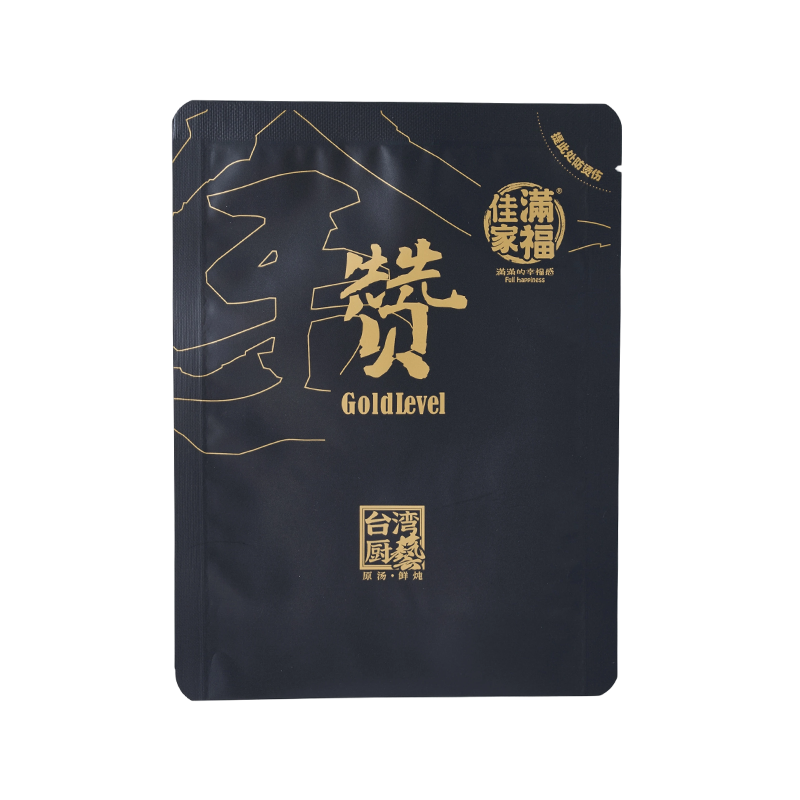
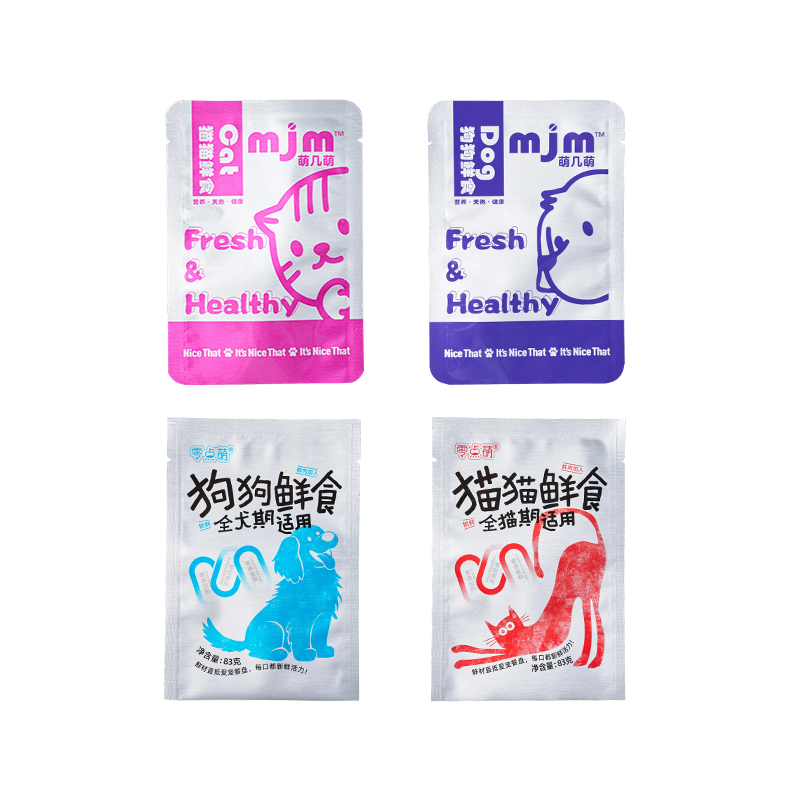
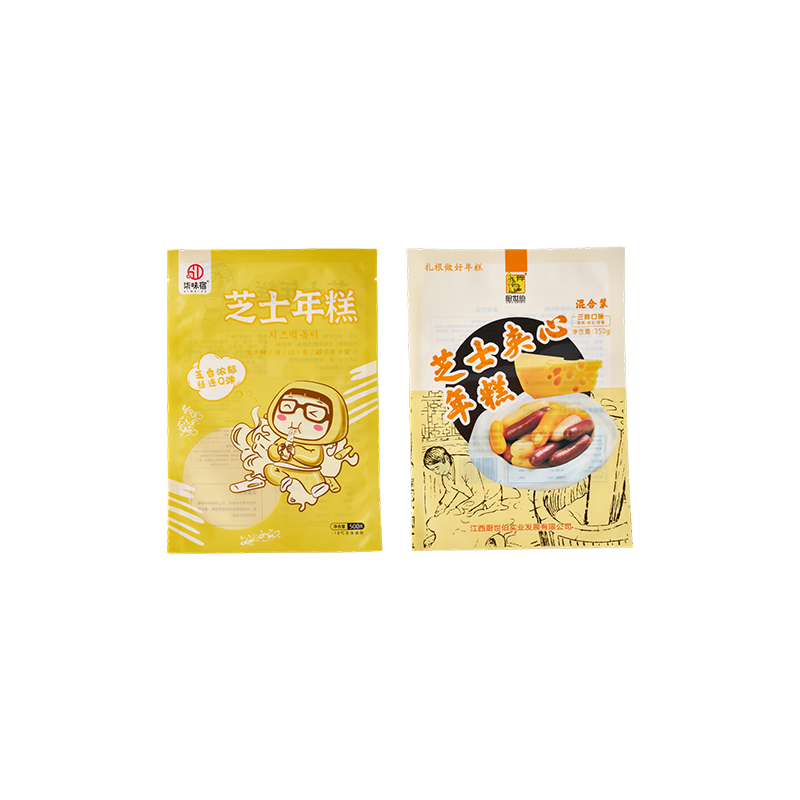
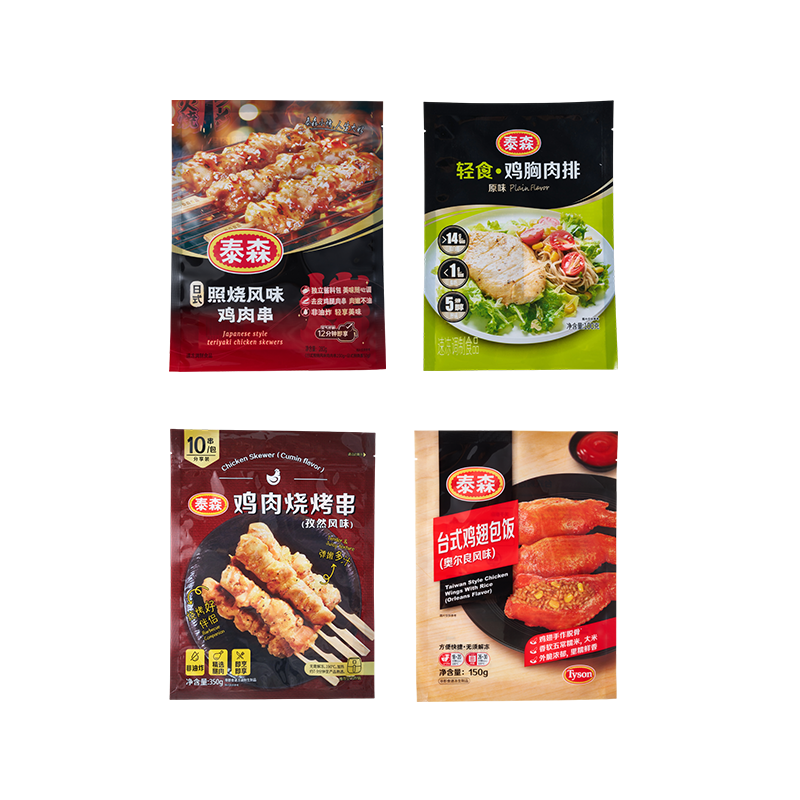
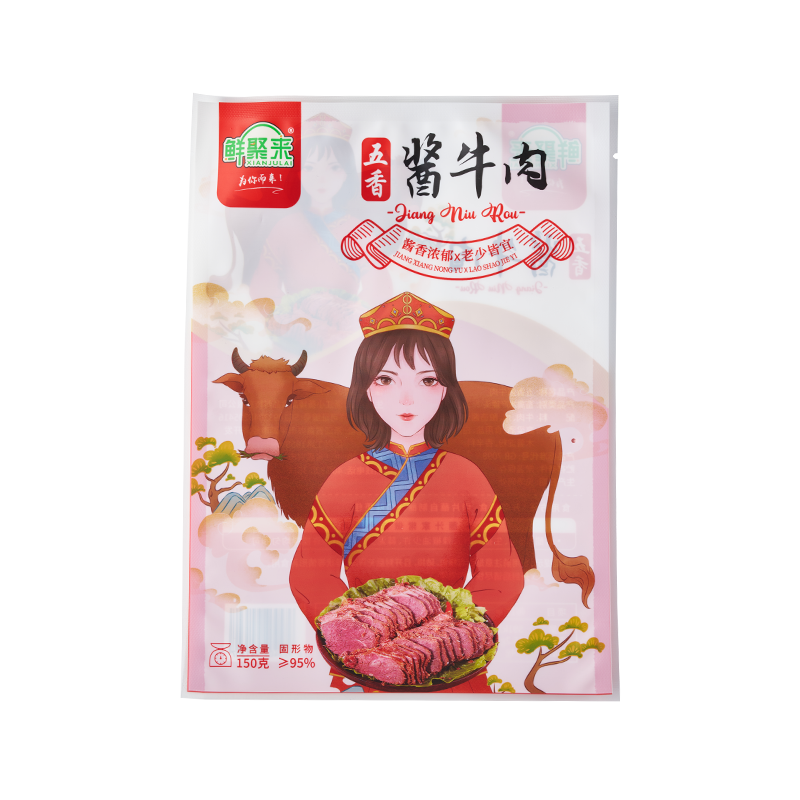
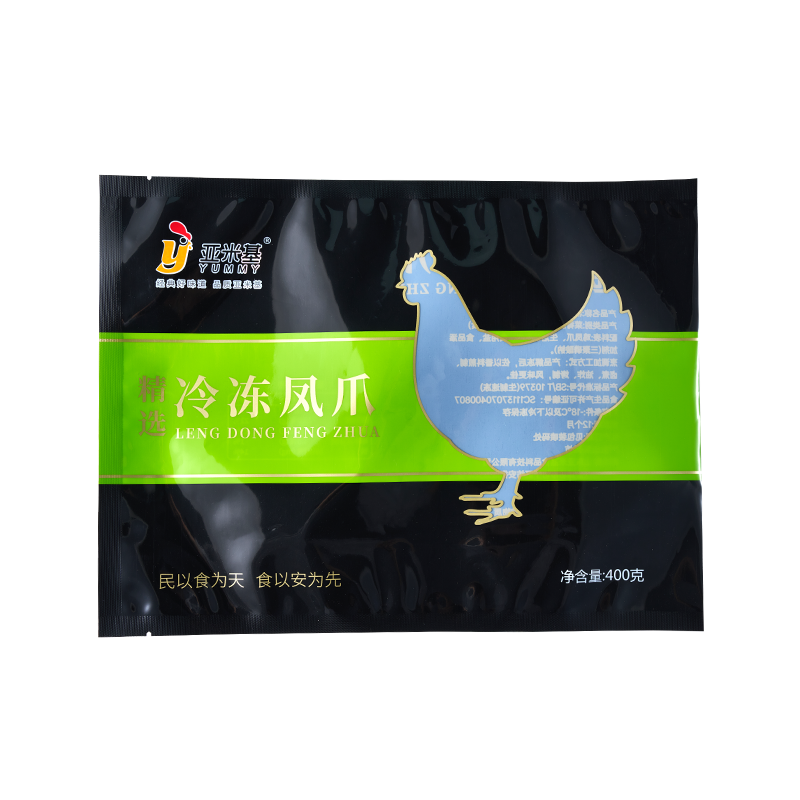
A aluminum foil retort pouch is filled, sealed, and then cooked inside a pressure vessel at 121 degrees Celsius. The foo...
READ MORE +-
 +86-13587951391
-
 [email protected]
 2nd Floor, Building B, No. 1088, Shidai Avenue, Longgang City, Wenzhou, Zhejiang Province, China.

Product Categories
-
Mid Seal Bag (12)
-
Spout Pouches (10)
-
Stand Up Bag (6)
-
Plastic Printed Film Roll (2)
-
Special-Shaped Bag (8)
-
Self-Sealing Bags (12)
-
Paper Pouches (3)
-
Aluminum Foil Retort Pouches (7)
-
Laundry Detergent Spout Pouches (2)
-
Printing Toy Packaging Bags (3)
-
Custom Meat Packaging Bags (3)
-
Face Mask Packaging Bags (1)
-
Blank Packaging Bags (7)
-
Frozen Prefabricated Food Packaging Series (5)
-
Pet Food Packaging Bags (4)
-
Wall Tile Decoration Sticker (137)
-
Kitchen Oil-Proof Stickers (78)
Recent Posts
Shenhong
We are a comprehensive manufacturing enterprise integrating flexible packaging design, printing, lamination, and bag making services.
Contact UsFood Grade Packaging Bags Factory
Custom Meat Packaging Bags are suitable for a wide range of meat storage environments. For example, vacuum packaging bags effectively isolate external air, extending the shelf life of products, and can be used for meat, seafood, and other perishable items. Their sturdy and durable construction ensures excellent tear and puncture resistance, making them ideal for both commercial and household use. In addition, they are compatible with various sealing methods and storage conditions, including refrigeration and freezing, providing a reliable solution for long-term preservation of meat products.
About Us
Shen Hong Printing Co.,Ltd.
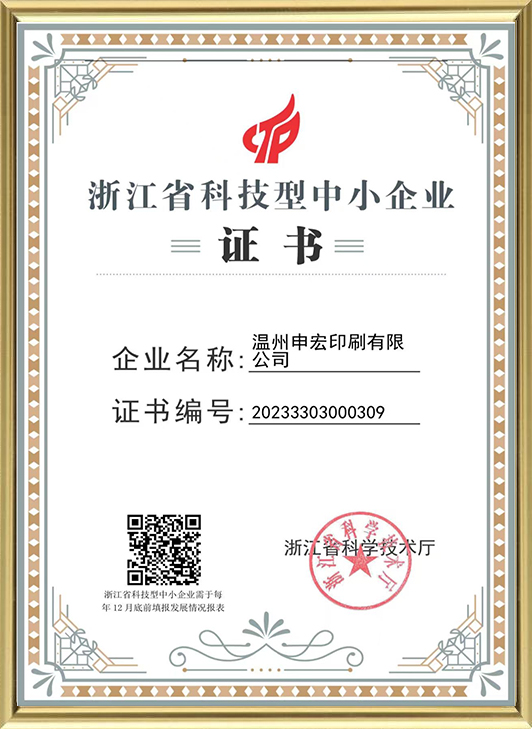
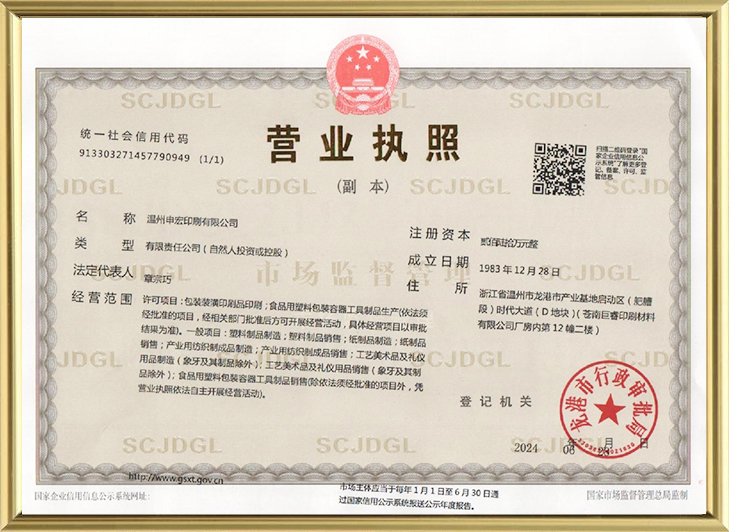
Founded in 1983, Shen Hong Printing Co., Ltd. from Wenzhou is a leading science and technology enterprise based in Zhejiang Province, China, specializing in packaging printing and flexible packaging solutions. The company integrates packaging design, packaging print, gravure printing, lamination, and precision bag manufacturing, providing customers with comprehensive, high-quality packaging solutions.
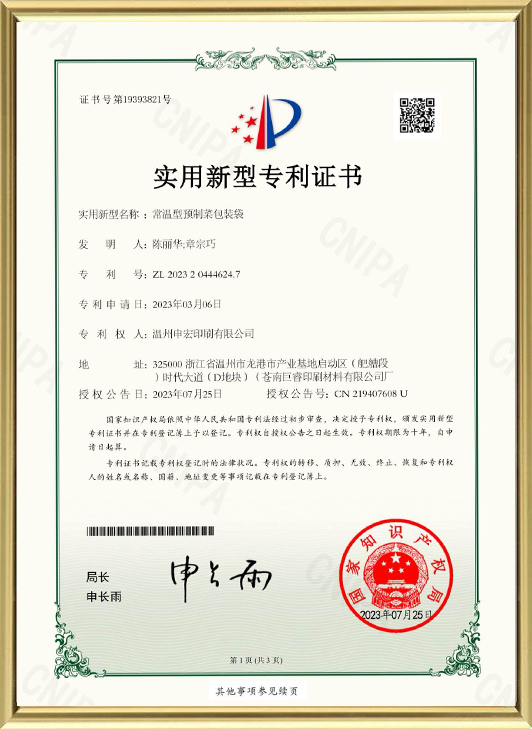
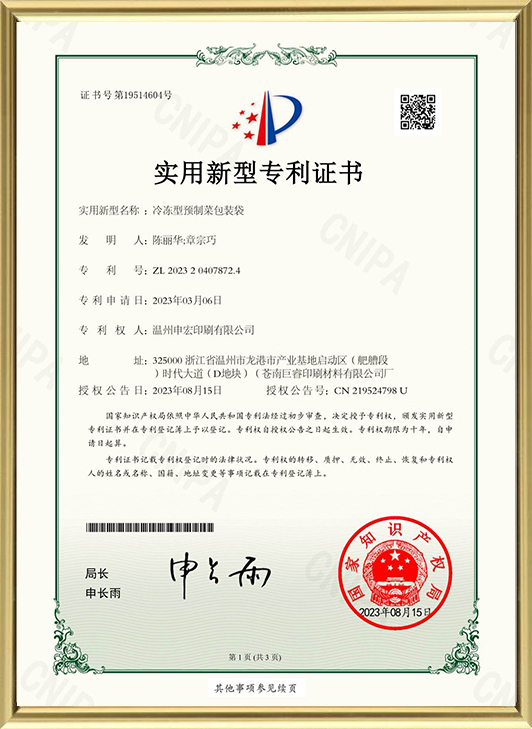
Shenhong specializes in the development and production of high-temperature retort packaging and low-temperature frozen packaging for the prepared food industry, and has obtained multiple utility model patents, demonstrating its commitment to continuous innovation.
The company operates advanced automated production equipment, including gravure printing presses, laminating machines, and bag-making lines capable of producing three-side seal, center seal, four-side seal, eight-side seal, stand-up, zipper, and other customized flexible packaging products.
Today, Shenhong's packaging printing products serve a wide range of industries, including food and beverage, daily consumer goods, agricultural chemicals, textiles, and electronics. Backed by over 40 years of manufacturing expertise, advanced technology, and strict quality control, the company continues to deliver reliable packaging print solutions to customers in both domestic and international markets.
Latest News
-
-
A bag of dog food sits in a warehouse for months before a customer opens it. The kibble inside contains fats that oxidiz...
READ MORE + -
A bag of coffee, a pouch of granola, a pack of dried fruit. These are not flat bags. They stand. The bottom gusset opens...
READ MORE + -
A bag of dog food sits on the shelf next to thirty other bags. The customer walks by, glancing. The bag has two seconds ...
READ MORE + -
A self-sealing bag has a simple mechanism: two strips of adhesive, one on each side of the opening, that press together ...
READ MORE +
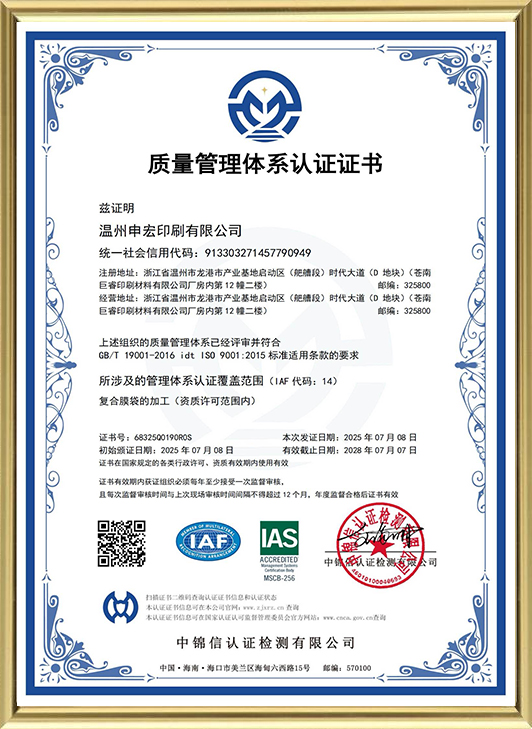
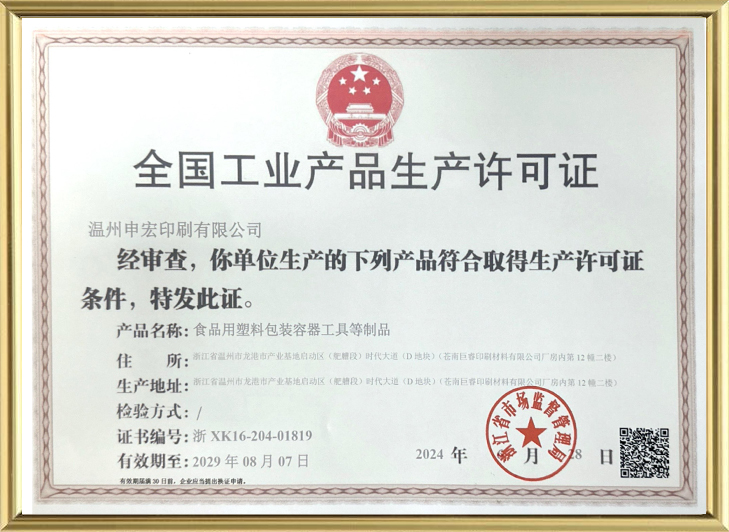
Certificate Of Honor
Message Feedback
Clear, Safe, Sustainable: How Food Grade Packaging Balances Visibility, Performance, and Environmental Responsibility
How Do Food Grade Packaging Bags Achieve Sustainability Goals While Meeting Strict Safety Standards?
Defining the dual challenge
Food grade packaging bags operate under a unique constraint. They must protect human health first and the environment second. How food grade packaging bags achieve sustainability goals while meeting strict safety standards is a question of material science, regulatory compliance, and careful supply chain management.
The approach to sustainable food grade packaging
The primary approach is using FDA-compliant recycled content. Not all recycled resins qualify for food contact. The FDA requires that recycled material comes from a documented, controlled source—typically post-industrial scrap from the same food grade production line, which is cleaner and more predictable than post-consumer material. Some suppliers now offer food grade bags with up to 30 percent post-industrial recycled content that meets FDA requirements.
Another approach is using bio-based resins—PE derived from sugarcane ethanol. These materials are chemically identical to fossil-based PE and pass all food contact regulations. The sustainability benefit comes from renewable feedstock rather than from recycled content.
A scenario from practice
A US-based snack brand switched their clear food grade poly bags from virgin LDPE to a 25 percent post-industrial recycled material with FDA non-objection status. The packaging passed all migration testing. The brand's sustainability score improved, and consumers responded positively to the "contains recycled content" messaging.
Comparison: sustainability options for food grade bags
Virgin LDPE remains the baseline—it meets all safety standards but has the highest virgin fossil resource use. Post-industrial recycled content meets safety standards when properly documented and reduces carbon footprint by 20–30 percent. Bio-based PE meets all safety standards and reduces fossil feedstock use but is chemically identical to virgin PE. Post-consumer recycled content is rarely used for food contact due to contamination risks and regulatory hurdles. For most food applications, post-industrial recycled content offers the best balance of sustainability, safety compliance, and cost.
How Do Clear Food Grade Plastic Bags Balance High Transparency with Eco-Friendliness and Functionality?
Defining the balance challenge
The phrase "clear food grade plastic bags" describes a product category with inherent tensions. High transparency requires high-purity resin and specific processing conditions. Eco-friendliness pushes toward recycled or bio-based materials, which often introduce haze or color. Functionality demands seal strength, puncture resistance, and printability. How clear food grade plastic bags balance high transparency with eco-friendliness and functionality is a nuanced answer that depends on material selection, production processes, and application requirements.
Transparency requirements in food packaging
For food packaging, transparency serves multiple purposes. It allows consumers to see the product—essential for fresh produce, baked goods, and confectionery. It enables quality inspection at retail and reduces the need for customers to open packaging to evaluate products. High transparency is typically achieved with LDPE or LLDPE resins of high purity, processed with rapid cooling to minimize crystallinity. Any haze or cloudiness reduces consumer appeal and can lower perceived product quality.
The eco-friendly trade-offs in transparency
The tension is real. Adding recycled content introduces contaminants and color variations that reduce clarity. A bag with 30 percent PCR LDPE typically shows 5–10 percent haze versus 2–3 percent for virgin LDPE. This difference is acceptable for hardware or industrial applications but may be unacceptable for premium food items where visual presentation matters.
Bio-based PE offers a solution—it is chemically identical to virgin PE and provides identical clarity. The sustainability comes from renewable feedstock rather than recycled content. For brands requiring high clarity and sustainability, bio-based PE is the preferred choice. The cost premium is 10–20 percent.
Functionality requirements alongside transparency
Seal strength must not compromise clarity. The seal layer—the inner surface that bonds to itself—is typically a different resin blend that may affect overall clarity. Multi-layer films can maintain clarity while providing strong seals. A common structure is a three-layer film: outer layer for clarity and printability, middle layer for strength and barrier, inner layer for sealability. Each layer is optimized separately, allowing the bag to achieve all three goals.
A scenario from food packaging
A bakery chain needed clear bags for their premium cookies. The bags had to show the product clearly, seal securely, and support the brand's sustainability messaging. The supplier developed a three-layer film with a bio-based PE outer layer, a virgin PE middle layer for strength, and a proprietary seal layer. Transparency was 92 percent (measured by haze meter). Seal strength was 4.8 N/15mm—exceeding the 3.5 N/15mm requirement. The chain used the "made with renewable materials" message on the packaging. Customer feedback was positive.
Comparison: transparency, eco-friendliness, and functionality across material options
- Virgin LDPE: highest transparency (95%+), excellent functionality, low cost, limited eco-friendliness
- PCR LDPE: moderate transparency (85–90%), moderate functionality, meaningful eco-friendliness
- Bio-based PE: high transparency (95%+), excellent functionality, renewable feedstock
- Multi-layer films: combine best of each option—sustainable outer layer, recycled middle, virgin seal layer
The choice depends on the brand's priorities. If sustainability is the primary goal and clarity is less critical, PCR LDPE is the best value. If clarity and sustainability are equally important, bio-based PE or multi-layer hybrids are the better choices. For the majority of premium food applications where presentation matters, bio-based PE and multi-layer hybrids are gaining market share.
How Do Clear Food Packaging Bags Meet the Dual Demands of E-Commerce Retail for Transparency and Functionality?
Defining the dual demands
Clear food packaging bags now serve two masters: retail shelves and e-commerce fulfillment. Each channel demands different priorities. The retail shelf wants maximum transparency to show the product, brand messaging on the bag surface, and easy-open features for customer convenience. E-commerce fulfillment wants puncture resistance to survive shipping, lightweighting to reduce shipping costs, and secure seals to prevent leaks during transit. How clear food packaging bags meet the dual demands of e-commerce retail for transparency and functionality requires a balanced design that satisfies both channels.
The transparency requirement across both channels
In retail, transparency is critical—customers evaluate fresh produce, baked goods, and snacks visually. In e-commerce, transparency is also important but for a different reason. When customers receive their order, they want to verify that the product matches the online image. A cloudy or hazy bag creates uncertainty. The transparency requirement is therefore consistent across channels, though the threshold may be slightly lower for e-commerce.
The functionality differences between channels
For retail, functionality focuses on shelf life and easy opening. The bag must protect the product from moisture and oxygen for the duration of retail display. It must be easy for customers to open—tear notches, peelable seals, or perforations are common features.
For e-commerce, functionality focuses on shipping survival and lightweighting. The bag must survive drop tests, pressure from other packages, and temperature variations during transit. It must minimize weight to reduce shipping costs. A 5-gram weight difference per bag translates to significant annual savings when shipping millions of units.
A scenario from dual-channel packaging
A snack manufacturer selling through both retail stores and Amazon adapted their clear food packaging bag to serve both channels. The bag uses a three-layer film with a PE outer layer for printing and clarity, an EVOH middle layer for oxygen barrier (extending shelf life), and a seal layer optimized for both retail and shipping. The seal width was increased from 3mm to 5mm to withstand shipping pressure. A tear notch was added for retail convenience. The modified bag cost 6 percent more than the previous single-channel design. Damage rates in e-commerce dropped from 3.2 percent to 0.8 percent, and retail customer satisfaction scores improved due to the tear notch.
Table: retail versus e-commerce demands and design responses
|
Demand |
Retail Requirement |
E-Commerce Requirement |
Design Response |
|
Transparency |
Critical (shelf visibility) |
Critical (online accuracy) |
High-clarity PE outer layer; minimize haze |
|
Seal strength |
Moderate (enough to contain product) |
High (withstand shipping pressure) |
Wider seal bars (5–7mm); higher seal temperature |
|
Puncture resistance |
Moderate (shelf handling) |
High (box filling, drop impacts) |
Three-layer film with strength middle layer |
|
Lightweighting |
Low priority |
High priority (shipping cost) |
Downgauge thickness by 15–20% |
|
Easy opening |
High (customer convenience) |
Low (functional need) |
Tear notch or peelable seal |
Comparison: single-channel versus dual-channel bag designs
A single-channel bag designed only for retail prioritizes clarity, branding, and easy opening. It uses thinner film and standard seals. A single-channel bag designed only for e-commerce prioritizes strength, puncture resistance, and lightweighting. It uses thicker film with wider seals. A dual-channel bag must combine these priorities. The design includes a high-clarity outer layer, a strength middle layer, an optional oxygen barrier layer, and a seal layer with wide bars. The dual-channel bag costs 5–10 percent more than either single-channel option. The benefit is reduced inventory complexity—one bag serves both channels—and consistent brand presentation across both sales channels. For most food brands selling through multiple channels, the dual-channel approach is becoming the standard.
How Do Custom Food Grade Poly Bags Integrate Functional Printing with Brand Identity?
Defining the integration challenge
A custom food grade poly bag must do two things simultaneously: carry the brand's visual identity and communicate functional information—product name, ingredients, nutritional data, barcodes, and handling instructions. The integration of functional printing with brand identity is not just about aesthetics. It is about creating packaging that sells the product, complies with regulations, and supports operational efficiency.
Functional printing requirements
Food grade poly bags require specific information to meet FDA and EU labeling regulations. This includes product name, ingredient list, allergen statements, net weight, nutrition facts, and storage instructions. The printing must be durable and legible throughout the supply chain and after customer handling. Barcodes must meet GS1 standards for scanning at retail checkout.
Brand identity integration
Brand identity is communicated through color palette, typography, logo placement, and design style. The challenge is fitting all functional information alongside the brand elements without creating a cluttered, confusing design. Effective integration uses hierarchy—branding at the top, product name and image in the center, functional information at the bottom.
A scenario from packaging design
A specialty coffee brand redesigned their custom food grade poly bags to include a large brand logo on the front, a product image (the coffee beans), and all required labeling information on the back. The front design used only the brand colors—white and green—with minimalist typography. The back contained ingredient information, roasting date, and storage instructions in small but legible type. The design won a packaging award and increased shelf sales by 18 percent.
Comparison: design-first versus regulation-first approaches
A design-first approach prioritizes brand identity and visual appeal, then fits functional information in the remaining space. This approach creates strong shelf presence but risks regulatory non-compliance if functional information is too small or poorly placed. A regulation-first approach prioritizes mandatory information and fits brand identity around it. This approach ensures compliance but may produce less visually appealing packaging.
The most successful custom food grade poly bags use a balanced approach—hierarchy of information, clear separation of functions, and thoughtful integration of brand and regulatory elements. Digital printing technology now allows each bag to be customized with variable data, making it possible to have the same design with different batch codes, dates, and regional regulatory information without changing the overall branding. This capability reduces inventory complexity and improves supply chain efficiency.
FAQ
Q1: Can food grade packaging bags use post-consumer recycled content?
Post-consumer recycled content is rarely approved for direct food contact due to contamination risks and regulatory requirements. The FDA requires documented, controlled sources for food contact recycled materials. Most food grade bags with recycled content use post-industrial recycled material from food grade production lines, which is cleaner and easier to trace.
Q2: How does transparency affect the functionality of food grade packaging bags?
Transparency does not directly affect barrier properties or seal strength. It is achieved through resin selection and processing conditions. However, the additives used for clarity can affect seal performance. Multi-layer films separate clarity and seal functions—the outer layer provides clarity, while the inner layer provides sealing.
Q3: What is the most cost-effective way to add sustainability to clear food grade packaging bags?
Using 20–30 percent post-industrial recycled LDPE is the most cost-effective approach. It adds 5–10 percent to material cost, provides a measurable sustainability benefit, and generally meets FDA requirements when properly documented. Bio-based PE is more expensive but offers greater sustainability impact.
Q4: Do clear food grade plastic bags require special equipment for sealing?
No. Most clear food grade plastic bags seal on standard heat sealing equipment. However, recycled content and bio-based materials may require slightly different seal temperature settings—typically 5–10°C higher for recycled content and similar for bio-based PE. Always conduct seal trials when switching materials.
Q5: How does e-commerce shipping affect the design of clear food packaging bags?
E-commerce shipping requires stronger seals, better puncture resistance, and sometimes oxygen barrier layers to compensate for longer transit times. The bag design must survive drop tests (typically 1.5 meters onto concrete) and pressure from other boxes in the shipment. Wider seals and multi-layer structures are common design responses.
Contact
- ADD:
2nd Floor, Building B, No. 1088, Shidai Avenue, Longgang City, Wenzhou, Zhejiang Province, China.
- Mobile Phone:
+86-13587951391
- Tel:
+86-577-64465999
- Email:
Stay In Touch
Copyright © Shen Hong Printing Co.,Ltd.
All Rights Reserved.
