

 Español
 عربى
عربى
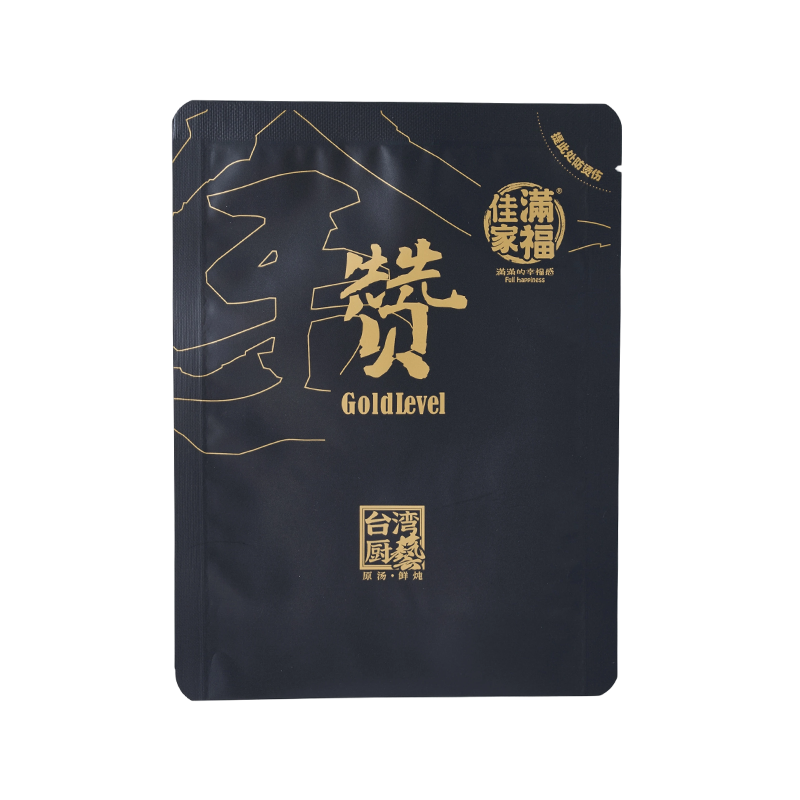
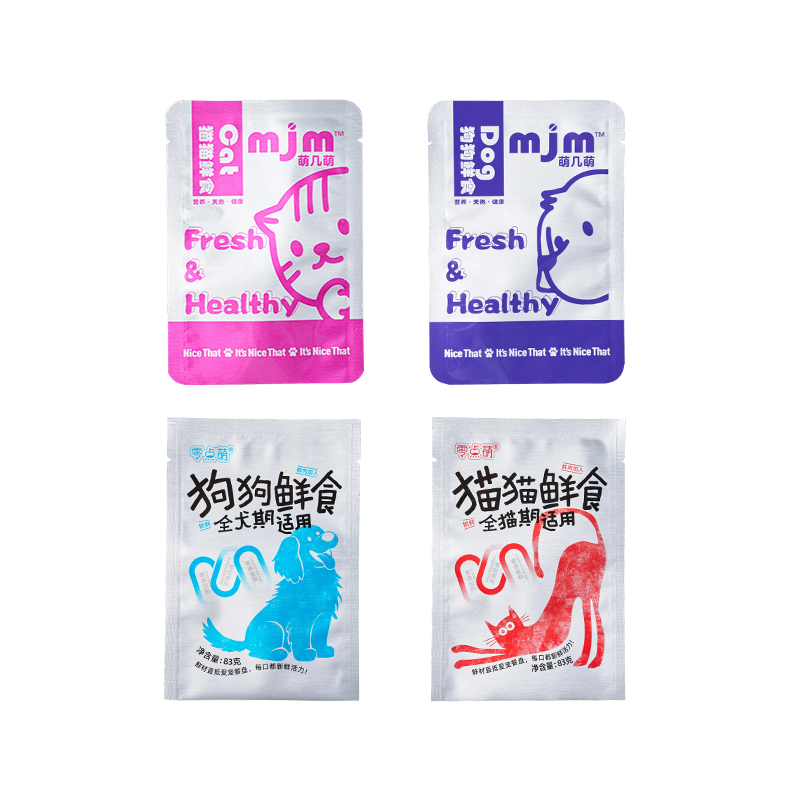
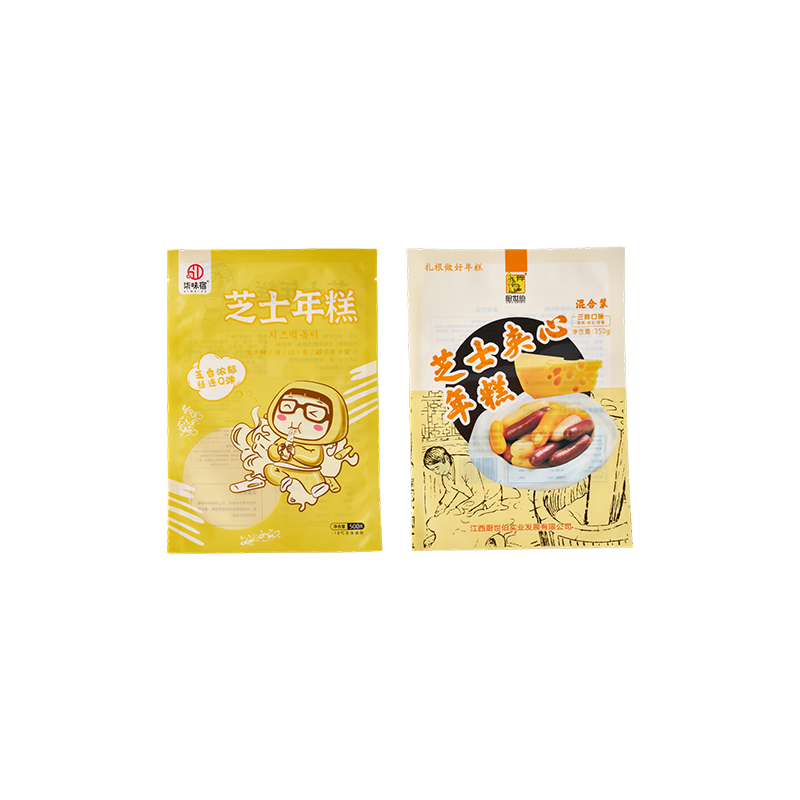
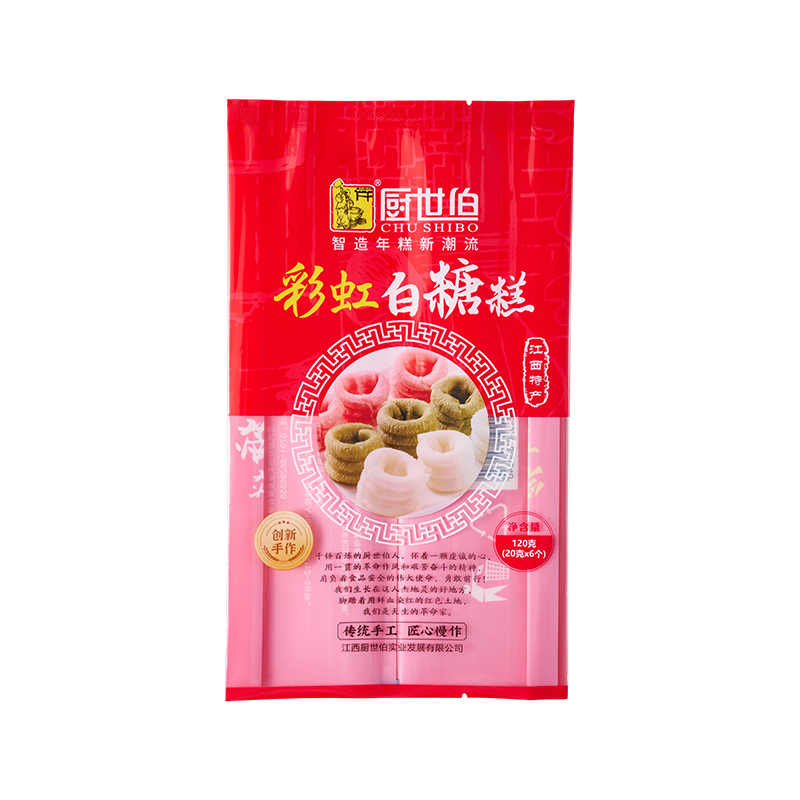
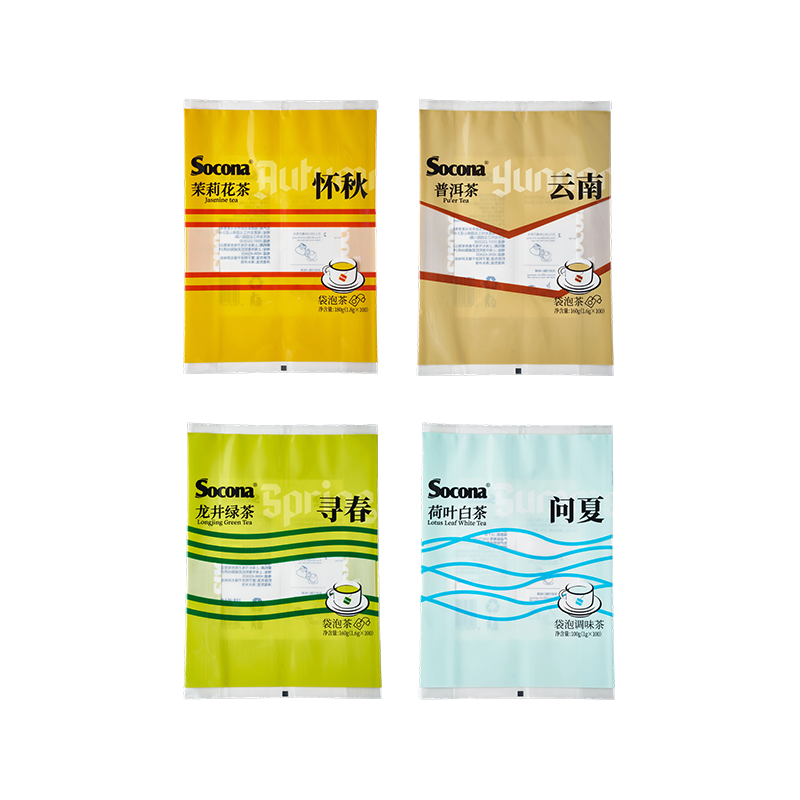
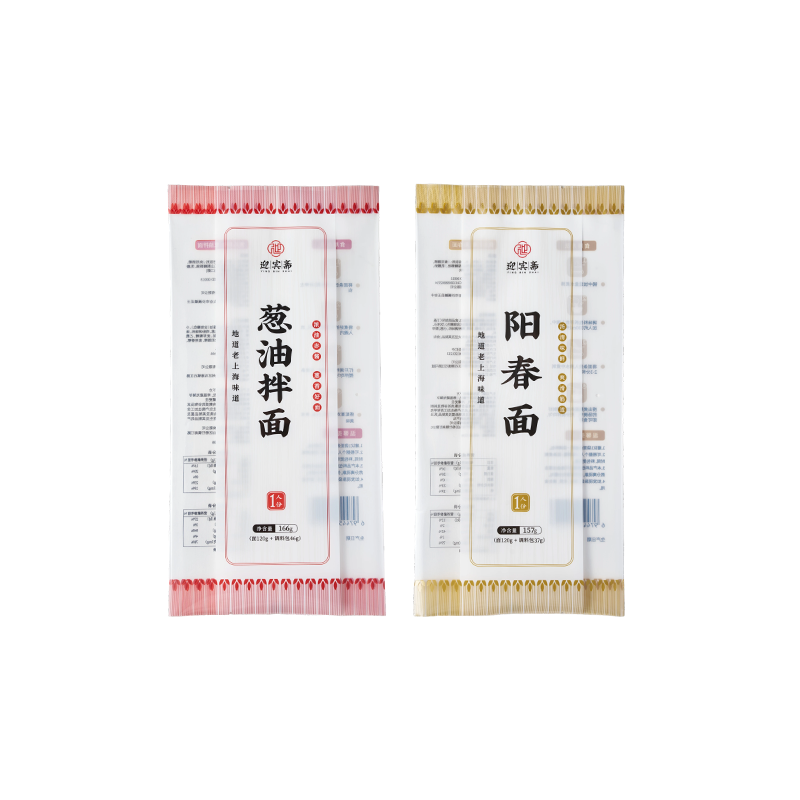
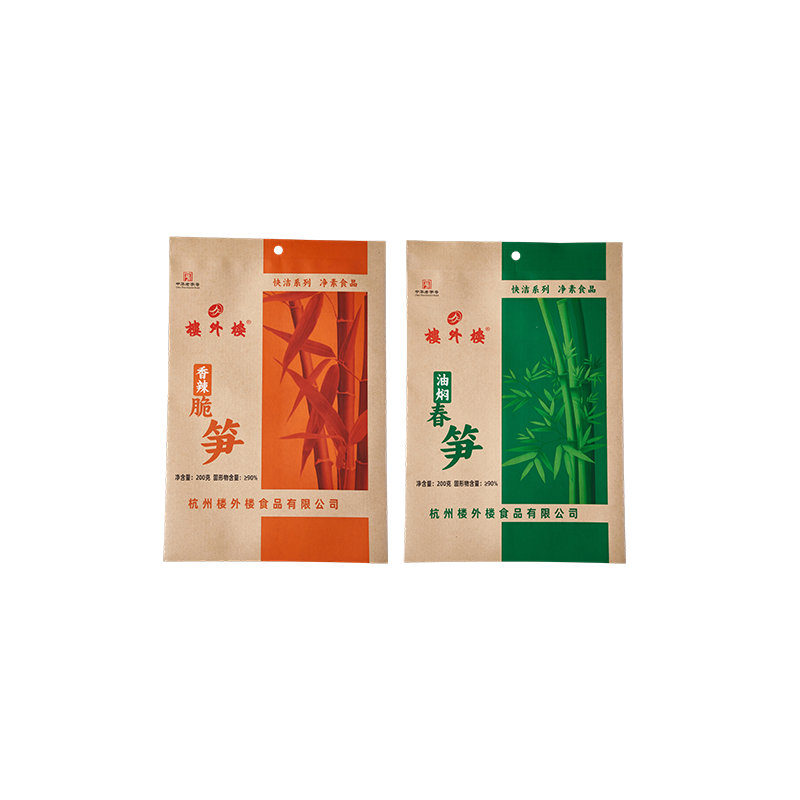
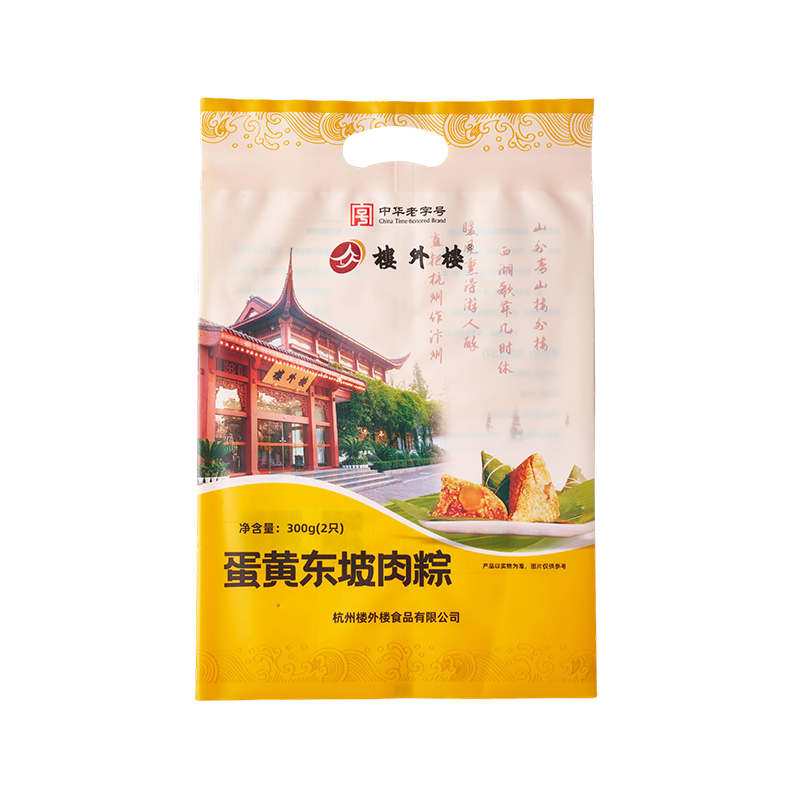
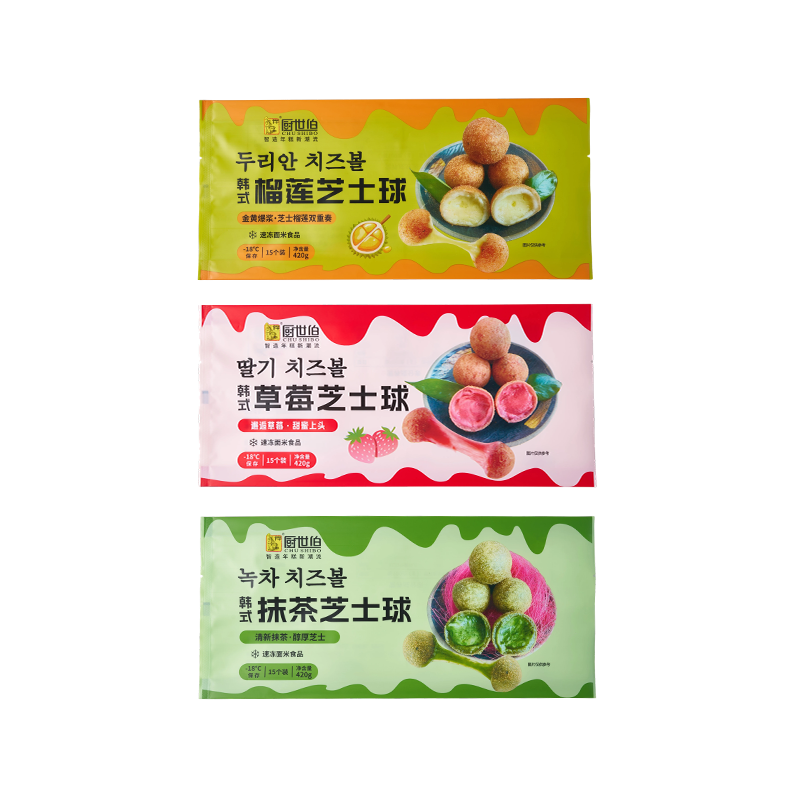
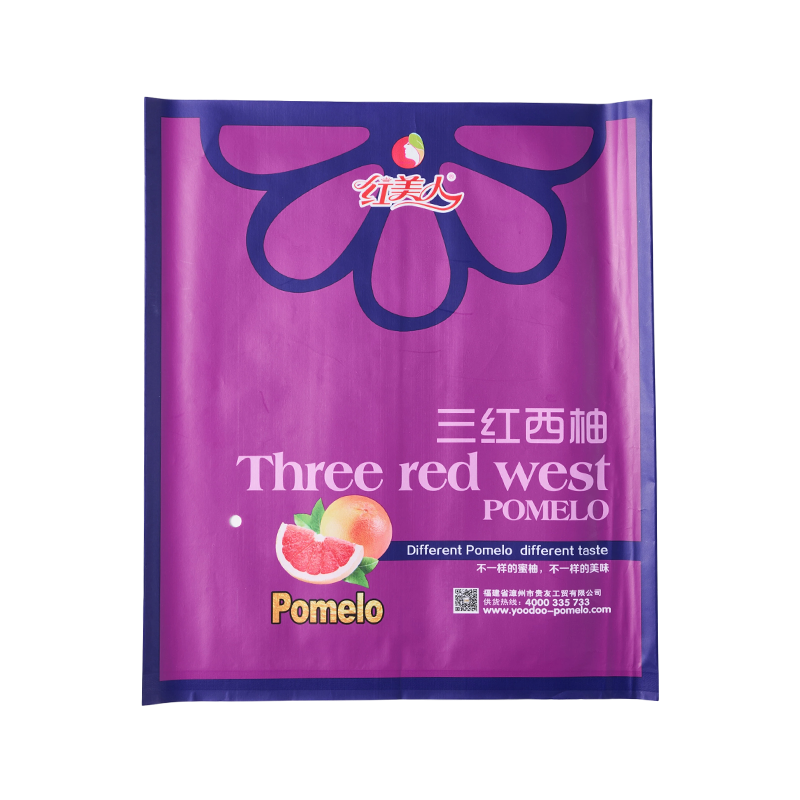
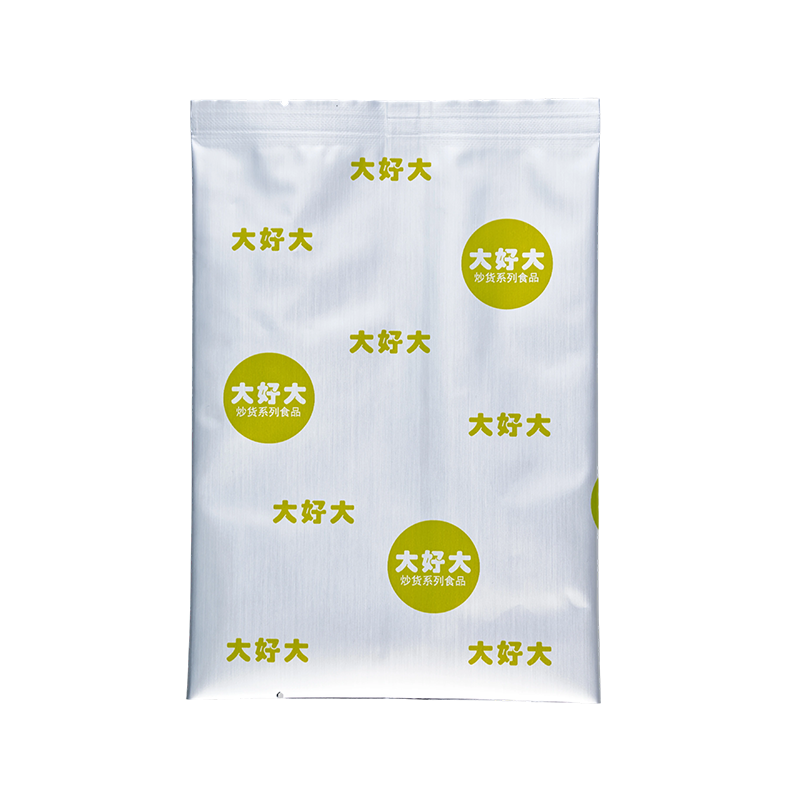
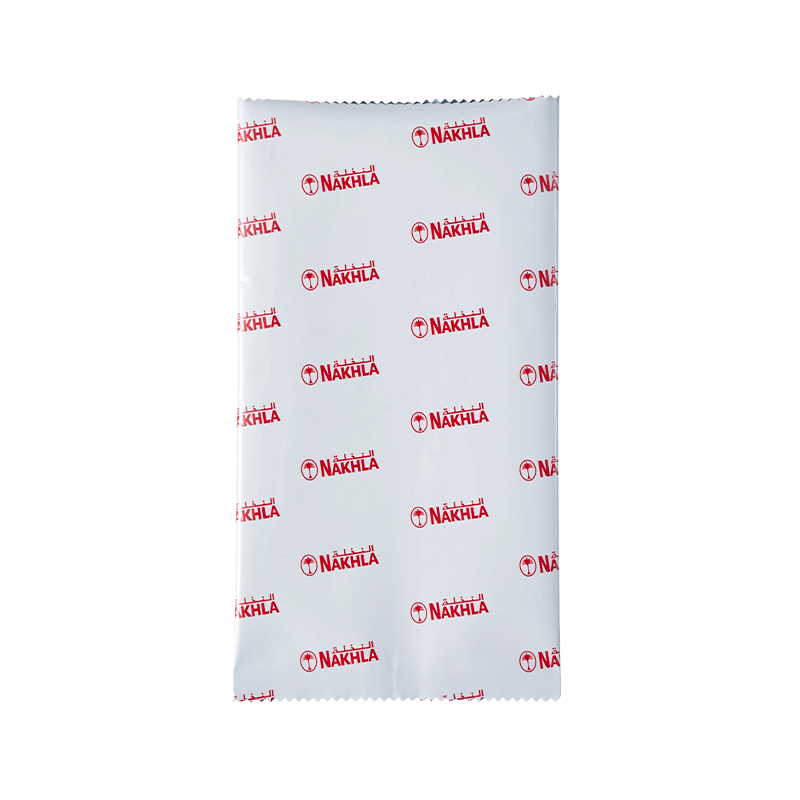
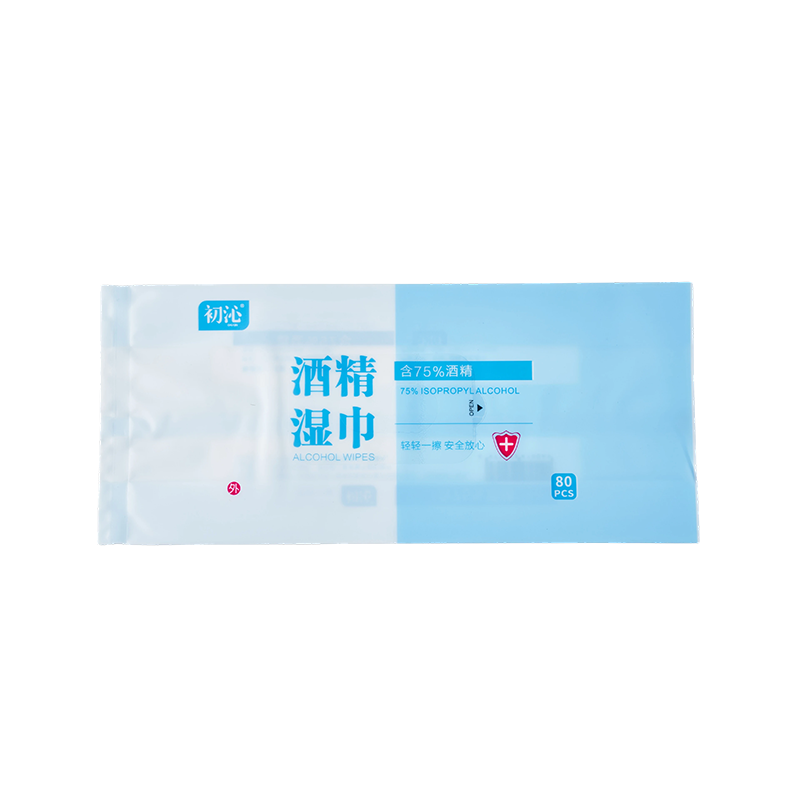
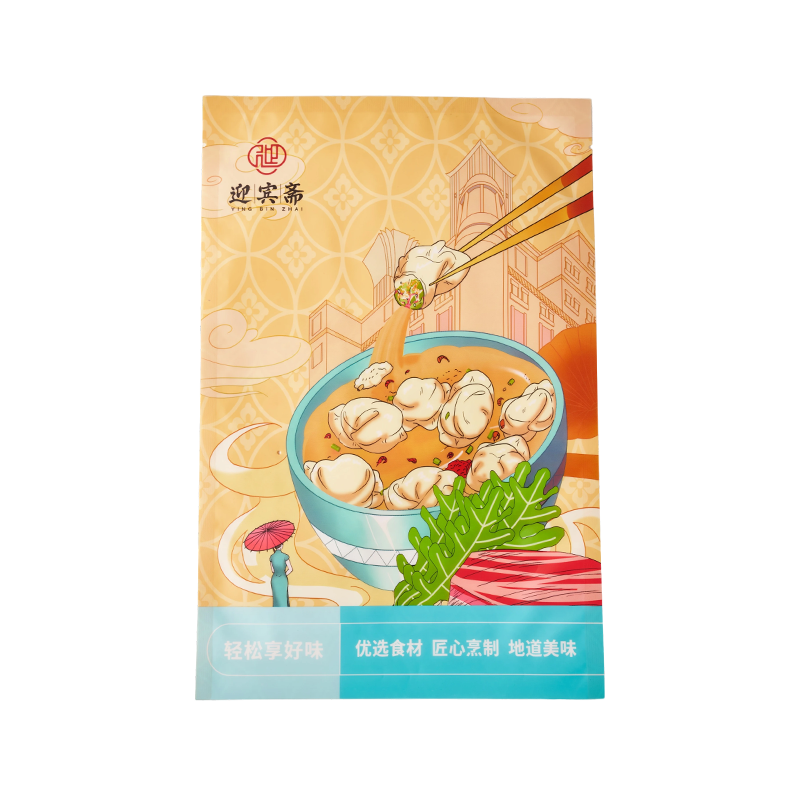
A aluminum foil retort pouch is filled, sealed, and then cooked inside a pressure vessel at 121 degrees Celsius. The foo...
READ MORE +-
 +86-13587951391
-
 [email protected]
 2nd Floor, Building B, No. 1088, Shidai Avenue, Longgang City, Wenzhou, Zhejiang Province, China.

Product Categories
-
Mid Seal Bag (12)
-
Spout Pouches (10)
-
Stand Up Bag (6)
-
Plastic Printed Film Roll (2)
-
Special-Shaped Bag (8)
-
Self-Sealing Bags (12)
-
Paper Pouches (3)
-
Aluminum Foil Retort Pouches (7)
-
Laundry Detergent Spout Pouches (2)
-
Printing Toy Packaging Bags (3)
-
Custom Meat Packaging Bags (3)
-
Face Mask Packaging Bags (1)
-
Blank Packaging Bags (7)
-
Frozen Prefabricated Food Packaging Series (5)
-
Pet Food Packaging Bags (4)
-
Wall Tile Decoration Sticker (137)
-
Kitchen Oil-Proof Stickers (78)
Recent Posts
Shenhong
We are a comprehensive manufacturing enterprise integrating flexible packaging design, printing, lamination, and bag making services.
Contact UsFood Grade Polyethylene Bags Factory
It is available for Inflating to prevent being crushed for objects. With its center back-seal structure, the bag provides reliable stability and is suitable for inflating during the packaging process. This added air cushion helps protect fragile contents from being crushed during transportation, handling, or storage. In addition to preserving product integrity, the Mid Seal Bag also enhances shelf presentation, making it an excellent option for snack foods, dry goods, and small packaged items.
About Us
Shen Hong Printing Co.,Ltd.
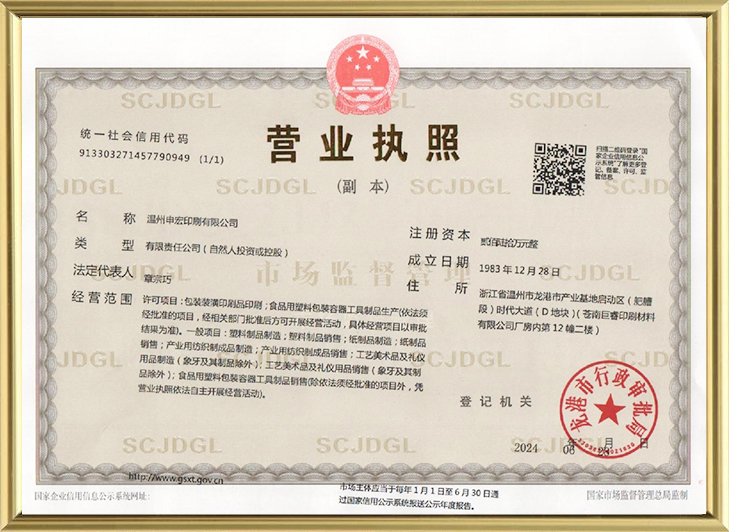
Founded in 1983, Shen Hong Printing Co., Ltd. from Wenzhou is a leading science and technology enterprise based in Zhejiang Province, China, specializing in packaging printing and flexible packaging solutions. The company integrates packaging design, packaging print, gravure printing, lamination, and precision bag manufacturing, providing customers with comprehensive, high-quality packaging solutions.
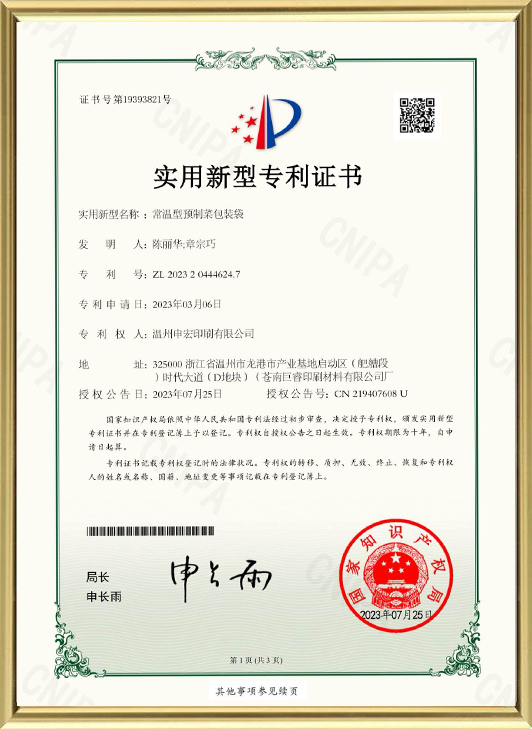
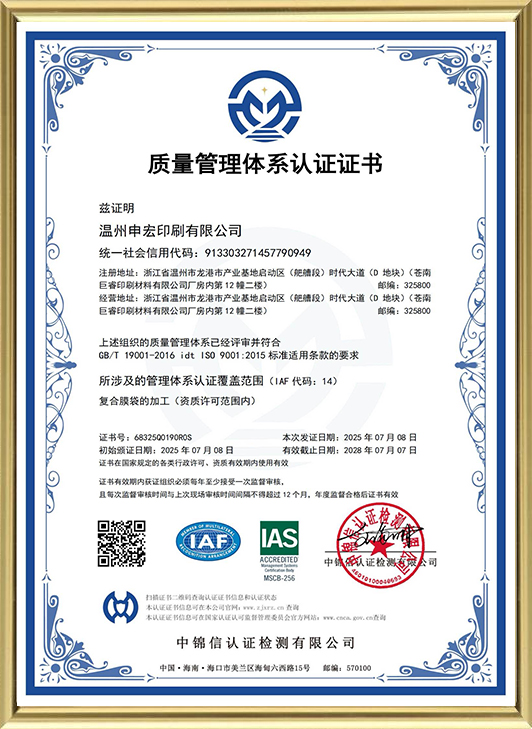
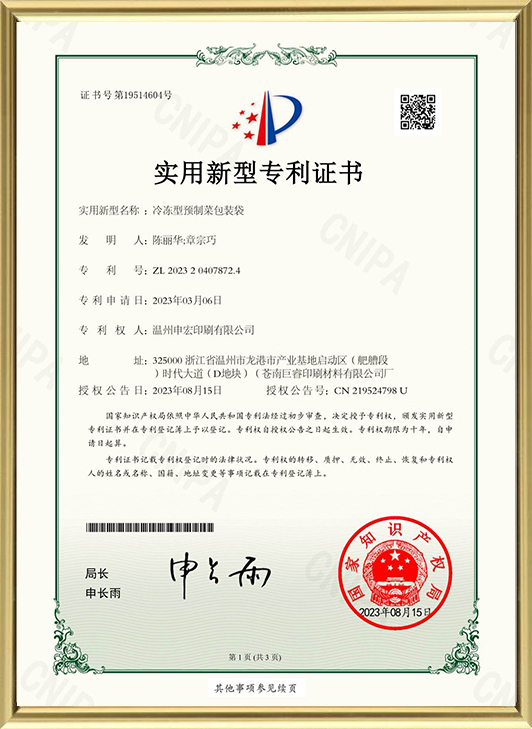
Shenhong specializes in the development and production of high-temperature retort packaging and low-temperature frozen packaging for the prepared food industry, and has obtained multiple utility model patents, demonstrating its commitment to continuous innovation.
The company operates advanced automated production equipment, including gravure printing presses, laminating machines, and bag-making lines capable of producing three-side seal, center seal, four-side seal, eight-side seal, stand-up, zipper, and other customized flexible packaging products.
Today, Shenhong's packaging printing products serve a wide range of industries, including food and beverage, daily consumer goods, agricultural chemicals, textiles, and electronics. Backed by over 40 years of manufacturing expertise, advanced technology, and strict quality control, the company continues to deliver reliable packaging print solutions to customers in both domestic and international markets.
Latest News
-
-
A bag of dog food sits in a warehouse for months before a customer opens it. The kibble inside contains fats that oxidiz...
READ MORE + -
A bag of coffee, a pouch of granola, a pack of dried fruit. These are not flat bags. They stand. The bottom gusset opens...
READ MORE + -
A bag of dog food sits on the shelf next to thirty other bags. The customer walks by, glancing. The bag has two seconds ...
READ MORE + -
A self-sealing bag has a simple mechanism: two strips of adhesive, one on each side of the opening, that press together ...
READ MORE +
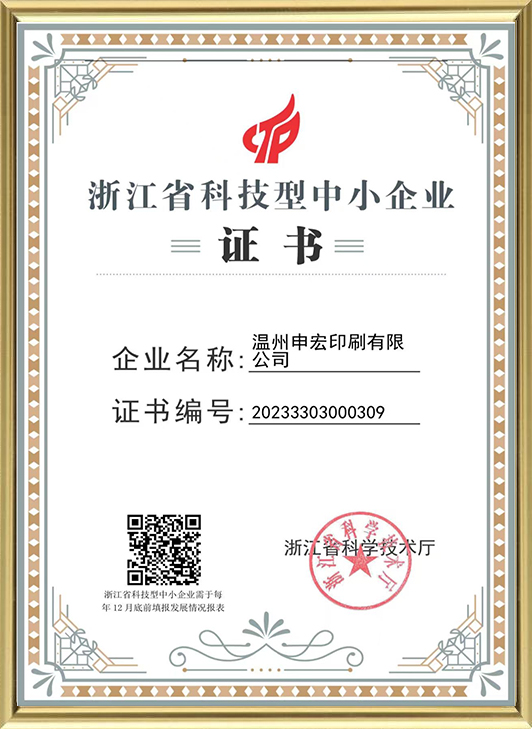
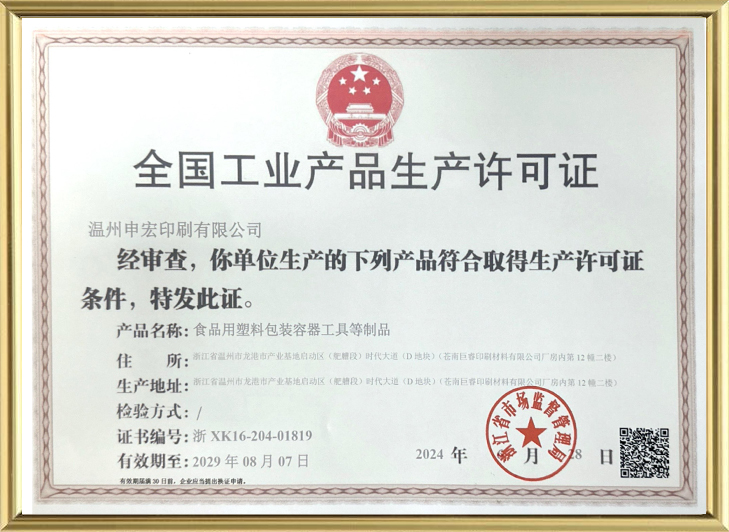
Certificate Of Honor
Message Feedback
The New Language of Food Grade Poly Bags: Circular Economy, Reusability, Safety, and Lightweighting
What Are the Practical Challenges Facing Food Grade Polyethylene Bags Within the Circular Economy?
Defining the circular economy gap
The circular economy envisions a world where packaging never becomes waste. But for food grade polyethylene bags, the reality is more complicated. The practical challenges are threefold. First, food contact safety. Recycled polyethylene often contains contaminants from previous use—inks, adhesives, and non-food substances. The FDA requires documented, controlled sources for food-contact recycled materials, which limits supply. Second, collection and sorting. Food grade PE bags are thin and lightweight, making them difficult to separate from other plastics in mixed recycling streams. Third, degradation. Each recycling loop shortens polymer chains, reducing performance. After three or four cycles, the material no longer meets food grade specifications. Most practical solutions involve using post-industrial scrap from food production—clean, traceable, and consistent—rather than post-consumer material.
A scenario from practice
A UK-based food packager attempted to use 30 percent post-consumer recycled PE in their bread bags. The material failed migration testing due to trace ink residues. The project was abandoned. The packager now uses 25 percent post-industrial recycled PE from their own production line, passing all safety tests.
Comparison: circular economy aspirations versus reality
The aspiration of a fully circular food grade PE bag—where used bags become new food grade bags—is technically possible but commercially impractical. Each recycling loop degrades polymer quality, and contamination risks require intensive sorting and cleaning. The reality is a cascaded system: food grade bags become non-food packaging or industrial products after one recycling loop. This "downcycling" is the practical compromise that balances sustainability, safety, and economics.
Why Is Reusability Emerging as a Major Trend for Food Vacuum Storage Bags?
Defining the shift from single-use to reusable
Food vacuum storage bags have traditionally been single-use. Remove the food, throw away the bag. But that is changing. Why reusability is emerging as a major trend for food vacuum storage bags comes down to three converging factors: consumer sustainability awareness, rising material costs, and improved bag technology.
The consumer sustainability driver
Consumers are increasingly aware of plastic waste and are actively seeking ways to reduce their personal footprint. A reusable vacuum bag—one that can be washed and used dozens of times—directly addresses this concern. Brands that offer reusable options are perceived as more environmentally responsible. Purchase data shows that products with "reusable" or "washable" labels sell at a premium of 15–25 percent.
The material cost driver
Vacuum bags are made from multi-layer materials that are expensive to produce. A reusable bag that replaces 30 single-use bags is economically attractive over its lifetime. The upfront cost is higher—$8–12 for a reusable set versus $0.50–1.00 per single-use bag—but the per-use cost drops dramatically.
The technology driver
Improved bag materials—thicker films, better seals, and zipper-style closures—make washing and reuse practical. Bags now withstand hot water and mild detergents without delaminating or losing seal integrity. The new generation of reusable vacuum bags typically lasts 20–50 uses.
A scenario from practice
A US-based vacuum sealer brand introduced a line of reusable vacuum bags with a thick, three-layer construction and a wide seal zone. The bags were marketed as "up to 50 uses." Sales of reusable bags grew 200 percent year-over-year, while single-use bag sales declined 8 percent. Customer reviews cited sustainability and cost savings as primary purchase drivers.
Comparison: single-use versus reusable vacuum bags
Single-use vacuum bags offer lower upfront cost and no cleaning required. They are the convenience choice. Reusable vacuum bags require washing and drying between uses—a small time commitment—but offer lower per-use cost and reduced plastic waste. The material is typically thicker and more durable. For most households, the payback on reusable bags is 10–15 uses, after which they are cheaper than single-use alternatives.
How Do Vacuum Food Packaging Bags Address Food Safety Challenges?
Defining the food safety mandate
Vacuum food packaging bags remove oxygen from the package, which inhibits the growth of aerobic bacteria and mold. This extends shelf life significantly. But vacuum packaging also creates food safety challenges—primarily the risk of anaerobic bacteria growth, such as Clostridium botulinum, which thrive without oxygen. How vacuum food packaging bags address food safety challenges involves material selection, storage conditions, and consumer communication.
The material safety layer
Vacuum bags must not leach chemicals into food. Migration testing evaluates whether any component of the bag—plasticizers, inks, adhesives, or sealants—moves into the food under storage conditions. FDA and EU regulations set specific migration limits for each substance. The bags must be made from food grade materials—typically LDPE, LLDPE, or PA/PE combinations—with documented traceability.
The storage condition requirement
Vacuum packaging does not eliminate the need for refrigeration. Anaerobic bacteria require cold temperatures to remain inactive. Vacuum packaging must carry storage instructions—"Keep refrigerated below 4°C" or "Keep frozen below -18°C." The packaging becomes a communication tool for safe handling.
The consumer communication layer
The bag must inform the consumer about safe handling and storage. Printed instructions on the packaging are the standard approach. QR codes linking to detailed safety information are increasingly common.
A scenario from practice
A sous-vide food brand using vacuum bags for prepared meals expanded rapidly. A routine audit found that some consumers were storing the vacuum-sealed meals at room temperature—a critical safety risk. The brand redesigned the packaging with bold red printing on the front: "KEEP REFRIGERATED BELOW 4°C." The warning reduced storage errors by 60 percent.
Table: food safety challenges and packaging solutions in vacuum bags
|
Food Safety Challenge |
Packaging Solution |
Implementation Method |
|
Chemical migration |
Food grade materials only; documented traceability |
Specify FDA or EU-compliant resins; audit supplier |
|
Anaerobic bacteria growth |
Clear storage instructions; refrigeration required |
Bold printed warning on bag surface |
|
Seal failure (oxygen ingress) |
Double seal zone; heat seal verification |
Seal bar design; online seal testing |
|
Puncture damage (microbial entry) |
Puncture-resistant film layer |
Nylon or oriented PE layer in multi-layer structure |
|
Consumer confusion |
Clear, simple safety messaging |
Printed icons and text on packaging |
Comparison: food safety challenges across packaging types
Vacuum packaging has specific safety challenges that other packaging types do not. The anaerobic environment is the primary concern—it requires clear cold chain instructions for consumers. The material must be food grade and migration-tested. In contrast, breathable or modified atmosphere packaging operates with oxygen present, which reduces anaerobic risk but introduces other challenges like moisture control. The vacuum bag is the safest option when handled correctly, and the packaging design plays a central role in ensuring correct handling.
How Do Food Grade HDPE Bags Strike a Balance Between Lightweight Design and Performance?
Defining the lightweighting challenge
Food grade HDPE bags are widely used for produce, bulk foods, and dry goods. They are lightweight, economical, and recyclable. But how food grade HDPE bags strike a balance between lightweight design and performance is a careful material and design optimization—reducing weight without sacrificing strength or protection.
The lightweighting approach
HDPE has high tensile strength relative to its density. This allows for thin films that still perform well. A typical produce bag is 15–20 microns thick—the thinnest packaging film commonly used. The challenge is handling the film on high-speed packaging lines. At 15 microns, the film must be dimensionally stable and have consistent gauge across the roll. Advanced extrusion technology now produces film within ±1 micron tolerance, enabling consistent high-speed performance.
The performance requirements
The bag must not tear during filling, sealing, or handling. Tensile strength must exceed 20 MPa. Elongation at break must be sufficient to survive stretching—typically 200–300 percent. Sealing must be consistent and reliable. The performance balance is achieved by using high grade HDPE resin with optimized molecular weight distribution and controlling the film orientation during extrusion.
A scenario from practice
A produce packer using HDPE bags for potato packaging reduced film thickness from 22 microns to 17 microns, a 23 percent material saving. The thinner film was tested on a high-speed line for eight hours. Seal integrity and puncture resistance passed all test parameters. Annual material cost savings exceeded $45,000.
Comparison: lightweight design versus performance
The relationship between lightweighting and performance in HDPE bags is not linear. Reducing thickness from 20 to 18 microns has minimal impact on strength and handling—a 10 percent material saving with no performance compromise. Reducing below 16 microns often introduces handling challenges and increased tear risk. Most packers find the sweet spot at 17–19 microns, where material usage is minimized without compromising line speed or package integrity. This balance depends on the product—heavy items like potatoes need thicker film; lightweight produce like lettuce can use thinner film.
What Innovations Exist Regarding the Multifunctionality and Composite Structures of Poly Liner Bags?
Defining poly liner bag innovation
Poly liner bags—used for boxes, bins, and large containers—are being reimagined beyond simple containment. Innovations regarding the multifunctionality and composite structures of poly liner bags are adding value through enhanced barrier performance, integrated closures, and smart features.
Barrier innovation
The most significant innovation is multi-layer composite structures that combine multiple functions. A three-layer liner might have an outer layer for strength and printability, a middle layer for barrier, and an inner layer for sealing or food contact. Each layer can be optimized independently—EVOH for oxygen barrier, PE for moisture barrier, PA for puncture resistance. These structures allow one bag to do what previously required multiple components.
Integrated functionality
Composite structures now include integrated features—built-in spouts for dispensing, perforated tear strips for controlled opening, peel-and-seal closures for resealing. These reduce the need for secondary packaging and simplify logistics for both packers and end-users.
A scenario from practice
A bulk coffee roaster switched from separate bags with added oxygen absorbers to a three-layer composite liner with an integrated oxygen scavenger in the film. The integrated structure eliminated the separate absorber sachet, reduced packaging weight by 8 percent, and extended shelf life by 30 percent. The innovation simplified packaging and reduced the risk of absorber sachets being mistaken for food.
Comparison: single-layer versus composite poly liner bags
Single-layer bags serve simple containment needs—protection from dust and light handling. Composite structure bags serve specific functional needs—oxygen or moisture barrier, puncture resistance, sealing integrity. The composite option typically costs 30–60 percent more but often reduces total packaging cost by eliminating secondary packaging components. For products with long shelf life or sensitive contents, composite structures are the right choice. For short-turn, low-sensitivity products, single-layer bags remain more cost-effective.
How Can Flat Poly Bags Be Made More Eco-Friendly and Efficient?
Defining the eco-friendly and efficient shift
Flat poly bags—the simplest packaging format—represent the largest volume of plastic film use. Improving them has significant environmental impact. How flat poly bags can be made more eco-friendly and efficient focuses on material reduction, recycled content, and process optimization.
Eco-friendly material approaches
The most impactful change is adding recycled content. Post-industrial HDPE or LDPE recycled material can replace 30–60 percent of virgin resin. The material must be clean and consistent to maintain processing stability. Many suppliers now offer flat bags with 50 percent post-industrial recycled content at minimal cost premium. Bio-based resins offer another path—sugarcane-derived HDPE that is chemically identical to fossil-based material.
Efficiency through downgauging
Reducing film thickness is the most direct efficiency improvement. For flat poly bags, typical thickness ranges from 25 to 60 microns. Downgauging to the minimum acceptable thickness reduces material consumption, weight, and shipping cost. The challenge is maintaining performance while reducing thickness.
Process efficiency
Flat poly bags are produced on high-speed blown film lines—some exceeding 150 meters per minute. Process optimization—maintaining consistent melt temperature, die clearance, and cooling—reduces thickness variation and minimizes scrap. A 1 percent reduction in scrap across a full production volume can yield significant material savings.
A scenario from practice
A distributor of industrial flat poly bags switched to a 35-micron bag with 40 percent recycled content, down from a 45-micron virgin bag. The material reduction was 22 percent. The cost per bag decreased by 9 percent due to the combination of less material and lower virgin resin cost. The supplier reported no increase in bag failure complaints.
Comparison: eco-friendly and efficient flat poly bag strategies
- Recycled content: most impactful eco-friendly strategy—directly reduces fossil resource use and carbon footprint
- Downgauging: complements recycled content by reducing material demand
- Combined approach: 20–30% thickness reduction + 30–50% recycled content achieves 35–45% carbon footprint reduction
For most flat poly bag applications, a 20–30 percent thickness reduction combined with 30–50 percent recycled content is achievable with current technology. The cost outcome depends on resin prices—recycled material is often priced at a discount to virgin resin, offsetting the material reduction's impact on bag strength. The environmental benefit is significant, and this combined approach is the most practical path to eco-friendly and efficient flat poly bags.
FAQ
Q1: Can food grade polyethylene bags be made entirely from recycled material?
Not at this time. The FDA requires documented, controlled sources for food-contact recycled materials. Post-industrial recycled content from food grade production lines is acceptable up to 30–50 percent. Post-consumer recycled material is rarely used for food contact due to contamination risks and regulatory requirements.
Q2: How many times can a reusable vacuum bag be used?
Most reusable vacuum bags are rated for 20–50 uses. The exact number depends on the bag material, how it is washed, and how it is stored. After each use, wash with mild detergent and warm water, allow to air dry completely, and inspect for any seal damage. Replace the bag when the seal becomes ineffective or the film shows signs of wear.
Q3: Are all vacuum packaging bags safe for sous-vide cooking?
No. Sous-vide requires bags that are both food grade and capable of withstanding the cooking temperature—typically 55–85°C for extended periods. Standard vacuum bags may not be rated for these temperatures. Look for bags specifically labeled "sous-vide safe" or "boilable."
Q4: What is the difference between HDPE and LDPE bags for food packaging?
HDPE bags are stiffer, stronger, and more puncture-resistant. They are commonly used for produce, bulk dry goods, and items requiring high packaging strength. LDPE bags are softer, more flexible, and have better clarity. They are used for bread, produce where transparency is important, and applications requiring stretch or flexibility. Both are food grade when produced from appropriate resins.
Q5: How do composite poly liner bags improve shelf life compared to single-layer bags?
Composite liner bags use multiple layers, each serving a specific function. A typical three-layer liner might include an outer strength layer, a middle EVOH layer for oxygen barrier, and an inner sealing layer. Single-layer bags offer only the properties of that one material. The composite structure reduces oxygen transmission rates from 100+ cm³/m²/day to below 1 cm³/m²/day, extending shelf life for oxygen-sensitive products from weeks to months.
Contact
- ADD:
2nd Floor, Building B, No. 1088, Shidai Avenue, Longgang City, Wenzhou, Zhejiang Province, China.
- Mobile Phone:
+86-13587951391
- Tel:
+86-577-64465999
- Email:
Stay In Touch
Copyright © Shen Hong Printing Co.,Ltd.
All Rights Reserved.
