

 Español
 عربى
عربى
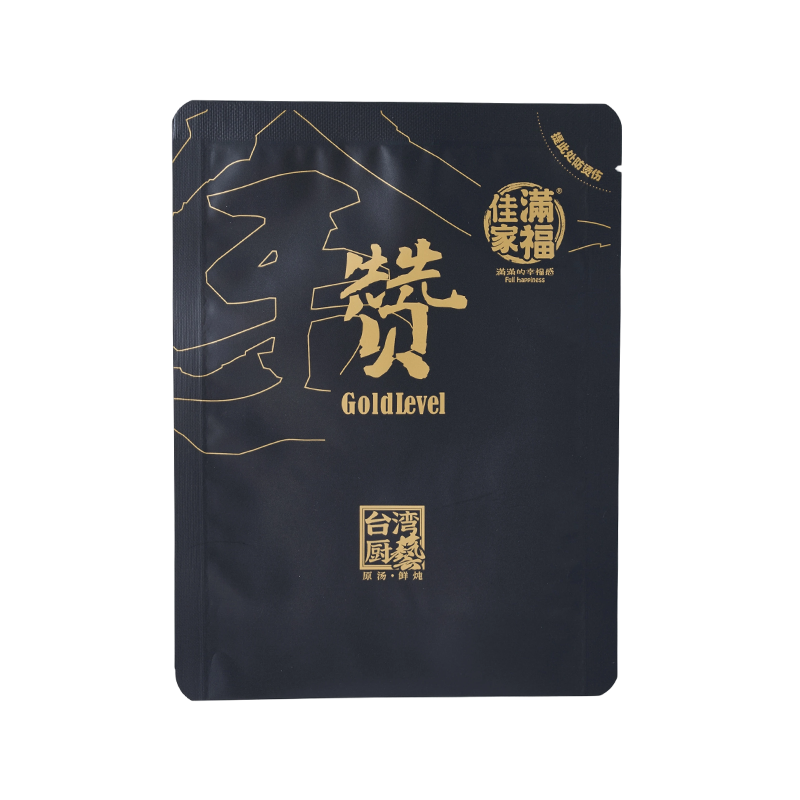
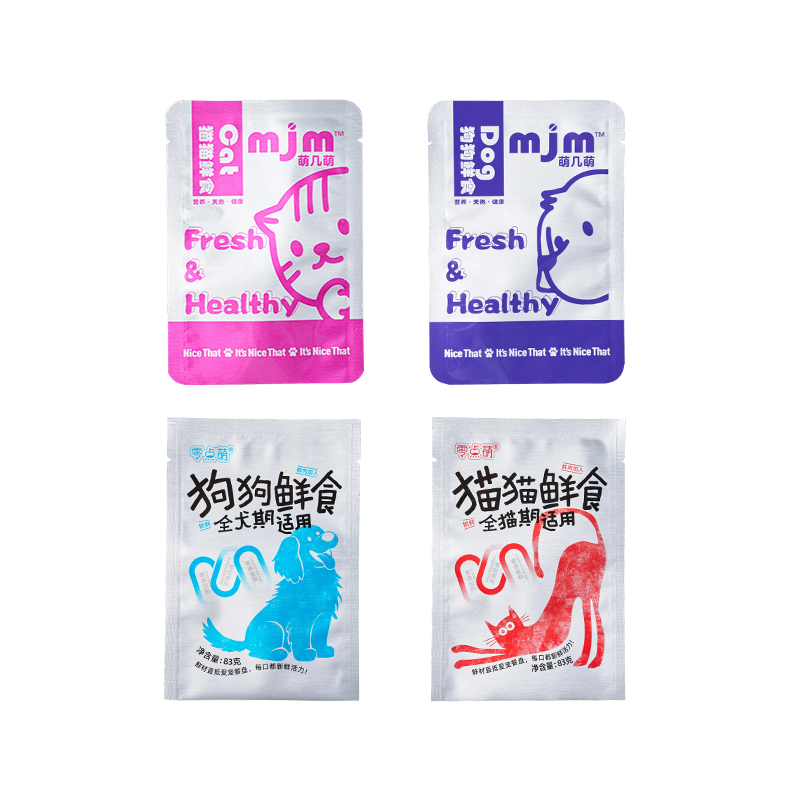
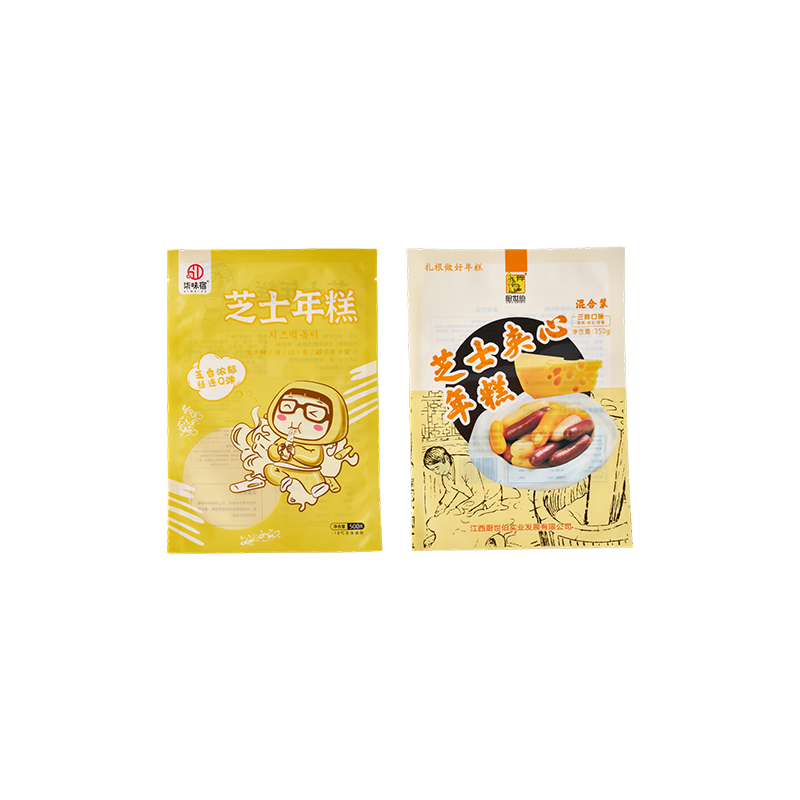
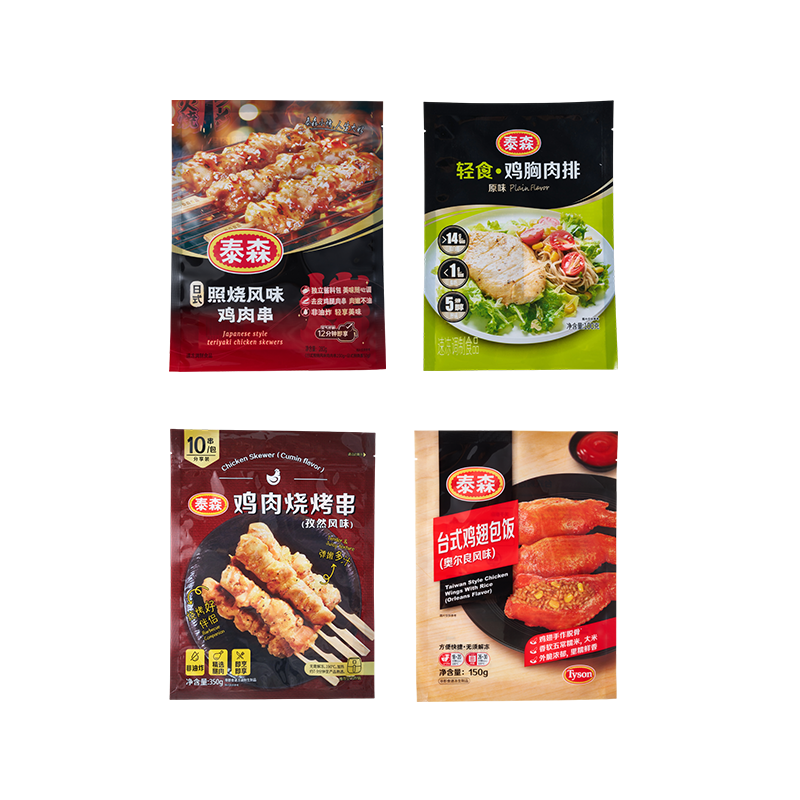
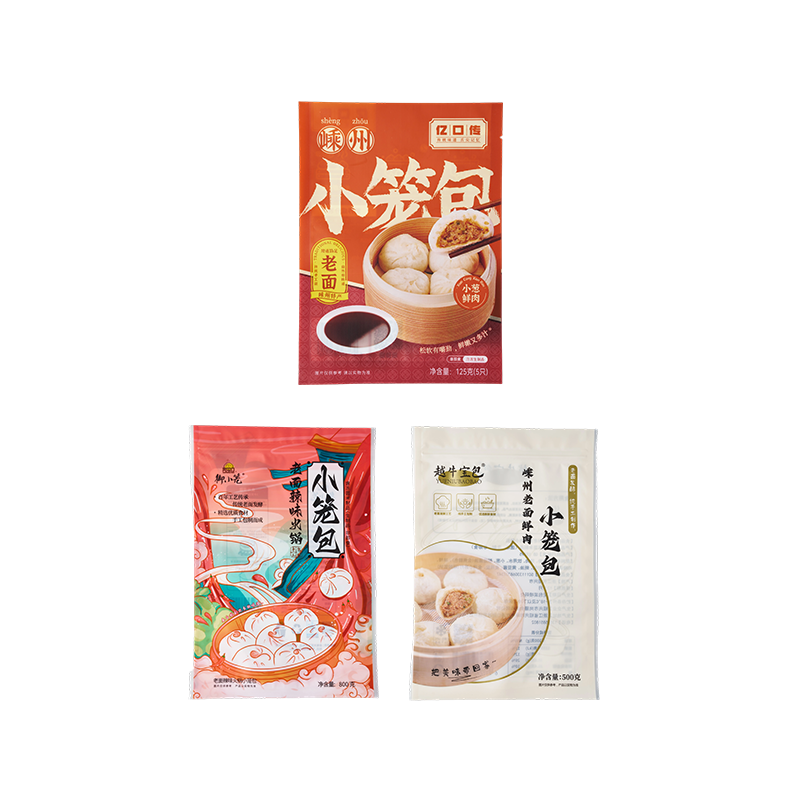
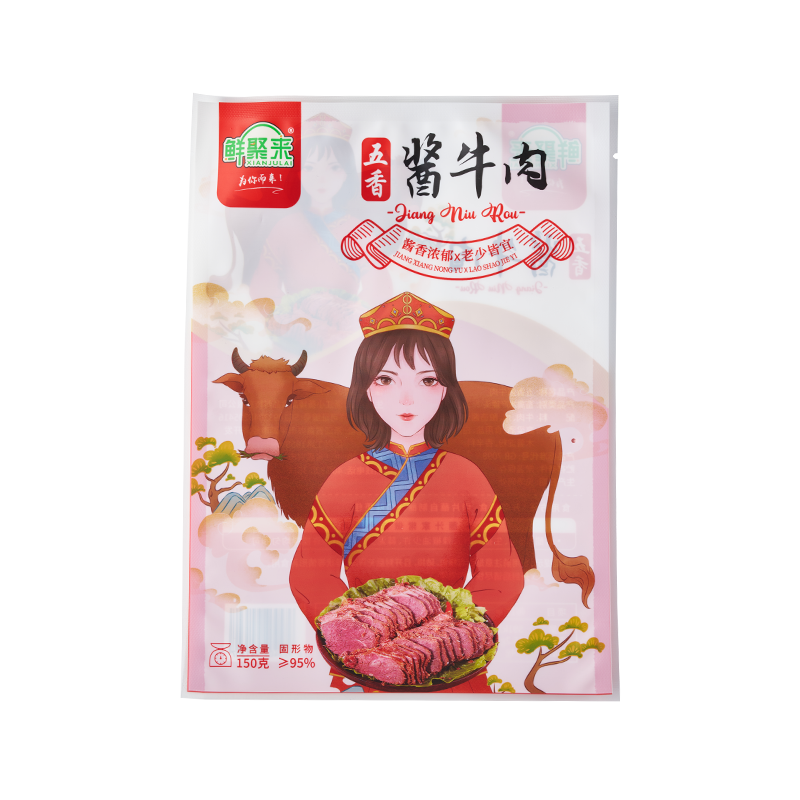
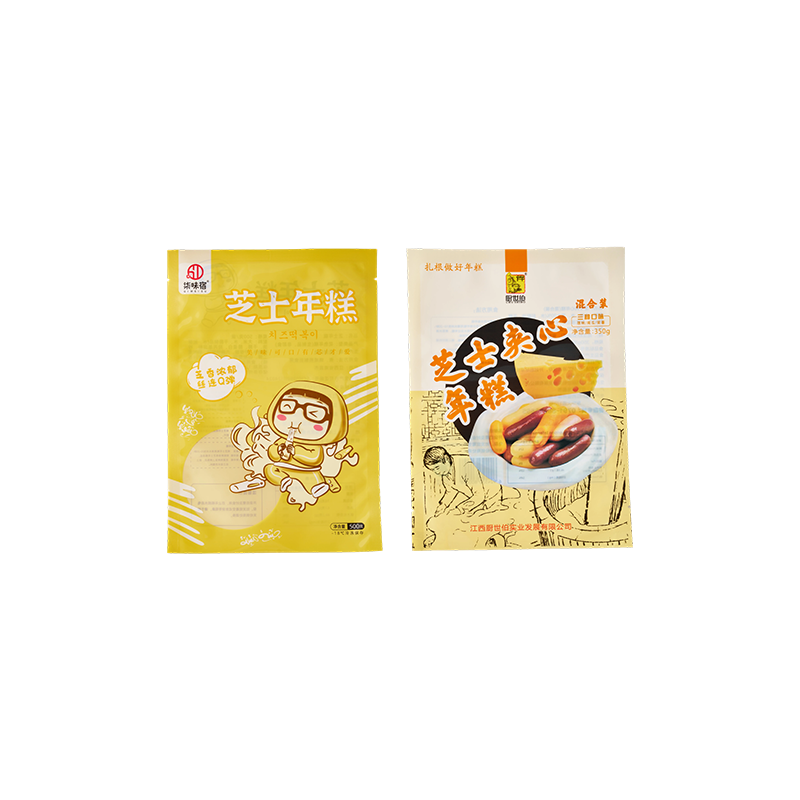
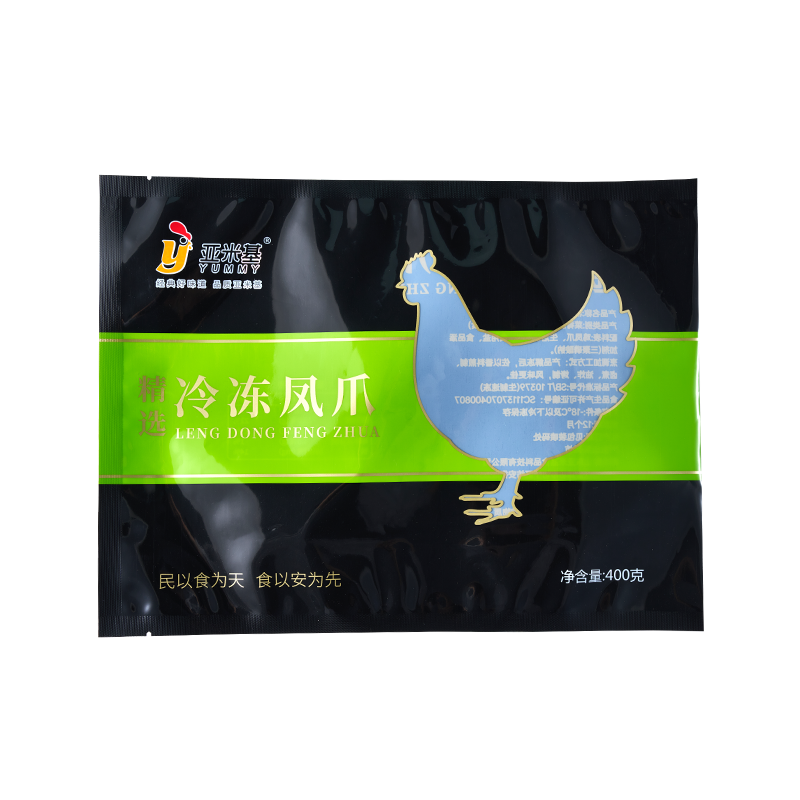
A aluminum foil retort pouch is filled, sealed, and then cooked inside a pressure vessel at 121 degrees Celsius. The foo...
READ MORE +-
 +86-13587951391
-
 [email protected]
 2nd Floor, Building B, No. 1088, Shidai Avenue, Longgang City, Wenzhou, Zhejiang Province, China.

Product Categories
-
Mid Seal Bag (12)
-
Spout Pouches (10)
-
Stand Up Bag (6)
-
Plastic Printed Film Roll (2)
-
Special-Shaped Bag (8)
-
Self-Sealing Bags (12)
-
Paper Pouches (3)
-
Aluminum Foil Retort Pouches (7)
-
Laundry Detergent Spout Pouches (2)
-
Printing Toy Packaging Bags (3)
-
Custom Meat Packaging Bags (3)
-
Face Mask Packaging Bags (1)
-
Blank Packaging Bags (7)
-
Frozen Prefabricated Food Packaging Series (5)
-
Pet Food Packaging Bags (4)
-
Wall Tile Decoration Sticker (137)
-
Kitchen Oil-Proof Stickers (78)
Recent Posts
Shenhong
We are a comprehensive manufacturing enterprise integrating flexible packaging design, printing, lamination, and bag making services.
Contact UsFrozen Meat Packaging Manufacturer
Product features and uses:
1. Good low temperature resistance, widely used in frozen food, frozen food, seafood cold chain packaging.
2. In line with food-grade standards, it has good acid and alkali resistance, heat resistance, and chemical stability, and can also be used for packaging and transportation of medical devices.
3. High transparency, good flexibility are also widely used in the packaging and protection of electronic products.
About Us
Shen Hong Printing Co.,Ltd.
Founded in 1983, Shen Hong Printing Co., Ltd. from Wenzhou is a leading science and technology enterprise based in Zhejiang Province, China, specializing in packaging printing and flexible packaging solutions. The company integrates packaging design, packaging print, gravure printing, lamination, and precision bag manufacturing, providing customers with comprehensive, high-quality packaging solutions.
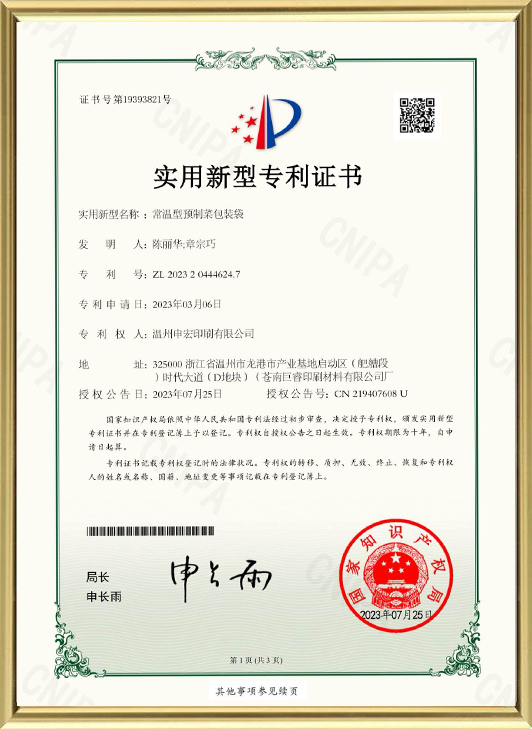
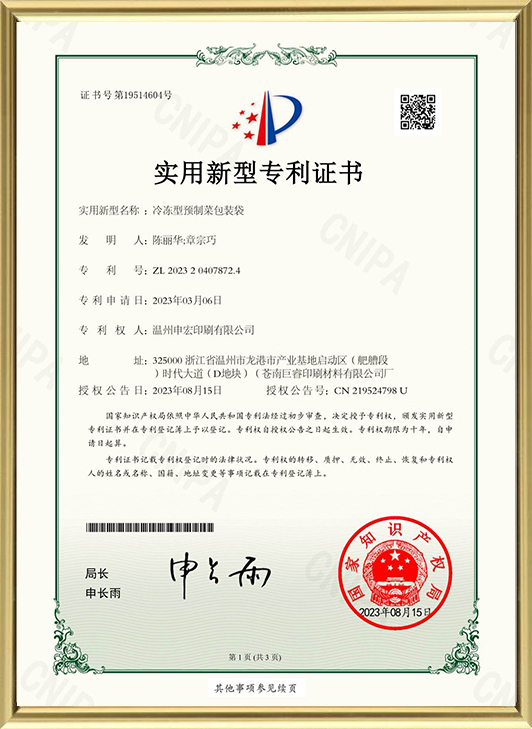
Shenhong specializes in the development and production of high-temperature retort packaging and low-temperature frozen packaging for the prepared food industry, and has obtained multiple utility model patents, demonstrating its commitment to continuous innovation.
The company operates advanced automated production equipment, including gravure printing presses, laminating machines, and bag-making lines capable of producing three-side seal, center seal, four-side seal, eight-side seal, stand-up, zipper, and other customized flexible packaging products.
Today, Shenhong's packaging printing products serve a wide range of industries, including food and beverage, daily consumer goods, agricultural chemicals, textiles, and electronics. Backed by over 40 years of manufacturing expertise, advanced technology, and strict quality control, the company continues to deliver reliable packaging print solutions to customers in both domestic and international markets.
Latest News
-
-
A bag of dog food sits in a warehouse for months before a customer opens it. The kibble inside contains fats that oxidiz...
READ MORE + -
A bag of coffee, a pouch of granola, a pack of dried fruit. These are not flat bags. They stand. The bottom gusset opens...
READ MORE + -
A bag of dog food sits on the shelf next to thirty other bags. The customer walks by, glancing. The bag has two seconds ...
READ MORE + -
A self-sealing bag has a simple mechanism: two strips of adhesive, one on each side of the opening, that press together ...
READ MORE +
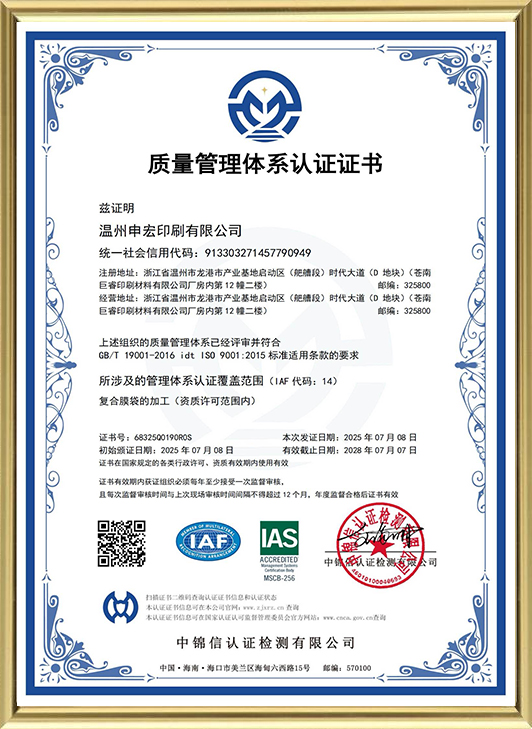
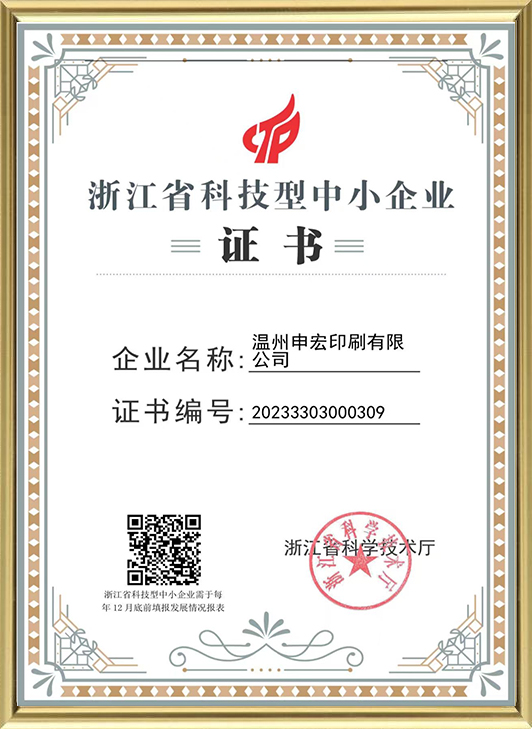
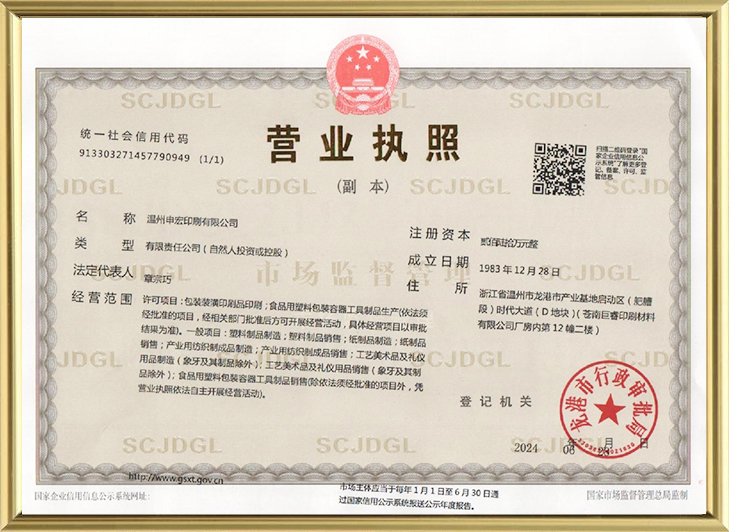
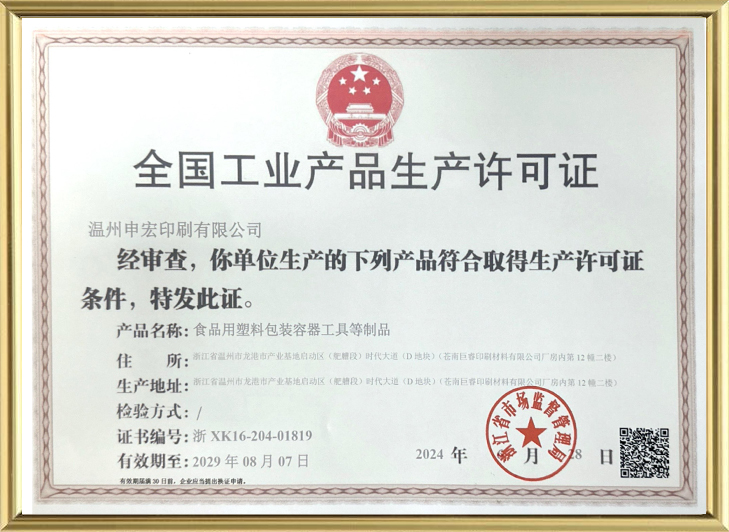
Certificate Of Honor
Message Feedback
Frozen Assets: How Meat and Prepared Food Packaging Balances Durability, Sustainability, and Consumer Convenience
Why Must Frozen Meat Packaging Feature Freeze-Crack Resistance and Puncture Resistance?
Defining the problem
Walk into any frozen food aisle, and you will see neatly stacked packages of frozen meat—chicken breasts, ground beef patties, pork chops. Pick one up. Examine the corners, the seals, the surface. What you are looking at is a package engineered to survive extreme conditions. Why frozen meat packaging requires freeze-crack resistance and puncture resistance starts with understanding what happens to plastic at sub-zero temperatures.
The science of freeze-cracking
Most flexible films become brittle below -10°C. The polymer chains lose mobility, and the material transitions from rubbery to glassy. When a frozen package is dropped or flexed, the film can crack—and a crack is a pathway for freezer burn. Freezer burn is moisture loss and oxidation that ruins meat quality. The standard test for freeze-crack resistance is a flex test at -20°C: the film is folded repeatedly until it cracks. High-performance films survive 100+ flex cycles. Standard LDPE might crack in 10 cycles.
Puncture resistance and sharp bone edges
Frozen meat has sharp edges—bone chips, connective tissue, and the jagged corners of frozen cuts. During shipping and handling, these edges press against the inner surface of the package. Puncture resistance is measured by a dart drop test or a probe puncture test. A package must withstand 15–20 newtons of puncture force at -18°C to be considered adequate for most distribution channels.
A scenario from a packaging failure
A Midwest meat processor switched from a heavy-gauge multi-layer film to a thinner single-layer film to save costs. The first winter shipment of frozen chicken breasts arrived at retail with 18 percent of packages showing pinhole punctures or corner cracks. The store rejected the shipment. The processor switched back to the multi-layer film and increased the puncture resistance specification. The cost savings from the thinner film were lost in rejected product and emergency shipping.
Comparison: film types for frozen meat packaging
- Single-layer LDPE: lowest cost, fails quickly (8–12 flex cycles, 8–12 N puncture resistance)
- Single-layer LLDPE: moderate improvement at small cost increase
- Multi-layer (PE/PA/PE): 100+ flex cycles, 20–25 N puncture resistance—the industry standard
- Multi-layer with nylon outer: 150+ flex cycles, 25–30 N puncture resistance—for heavy or sharp-boned products
The cost difference between single-layer and high-performance multi-layer films is significant—typically 40–90 percent higher—but the investment is justified by reduced product damage and customer satisfaction. For most frozen meat applications, the PE/PA/PE multi-layer structure offers the best balance of performance and cost.
What Does the Sustainable Transformation of Frozen Food Packaging Bags Look Like?
Defining the sustainability shift
Frozen food packaging bags have traditionally been multi-material laminates—often PET, nylon, and PE—which are difficult to recycle. The sustainable transformation of frozen food packaging bags is happening along three fronts: material substitution, downgauging, and design for recyclability.
Material substitution: moving toward mono-materials
The most significant change is the shift from multi-material laminates to mono-material PE structures with enhanced properties. Advances in resin technology allow PE films to achieve the strength and puncture resistance that previously required a nylon layer. This is critical because mono-material PE is recyclable through store-drop-off film recycling channels. Multi-material laminates are not.
For frozen meat, the transition has been challenging. Nylon provides the high puncture resistance and freeze-crack resistance that meat packaging requires. Replacing it requires a PE resin with very high molecular weight—often produced via metallocene catalysis—to match nylon's toughness. These resins exist but are more expensive. The packaging supplier must absorb or pass on the cost increase, which typically ranges from 10–20 percent.
Downgauging: using less material
Reducing the thickness of each packaging layer saves material and reduces carbon footprint. Downgauging a 100-micron film to 80 microns reduces material consumption by 20 percent. The challenge is maintaining performance at reduced thickness. Advanced film manufacturers use oriented films or special layer ratios to preserve strength while reducing material usage.
Design for recyclability
Sustainable transformation also means designing packaging to be readily recyclable. This includes using compatible materials—all PE or all PP—and avoiding adhesives, inks, or coatings that interfere with recycling processes. The film must be printable without degrading recyclability.
A scenario from a sustainable transformation
A European frozen meat brand committed to making all packaging recyclable by 2026. Their supplier developed a mono-material PE bag with a specialized high-molecular-weight PE layer replacing the nylon. The bag passed the 100+ cycle flex test and 20 N puncture test at -18°C. The cost increased 14 percent. The brand absorbed the increase and marketed the recyclable packaging as a premium feature. Sales increased 7 percent in the first year.
Comparison: traditional versus sustainable frozen food packaging
Traditional frozen food packaging uses multi-material laminates—typically PET, nylon, and PE—bonded with adhesives. This structure provides 150+ flex cycles and 25 N puncture resistance, but it is not recyclable in standard film recycling streams. Sustainable mono-material PE packaging replaces the nylon layer with high-molecular-weight PE, delivering 100+ flex cycles and 20 N puncture resistance—still meeting industry requirements. The sustainable option is 10–20 percent more expensive upfront but offers reduced carbon footprint and improved recyclability. For most frozen meat applications, the performance difference is acceptable, and the sustainability benefit is compelling. The transition is accelerating as resin technology improves and consumer demand for sustainable packaging grows.
Why Is Convenience-Oriented Design Crucial for Frozen Prepared Food Packaging?
Defining the convenience imperative
Frozen prepared foods—pizzas, burritos, waffles, and skillet meals—are purchased because they save time. The convenience-oriented design of frozen prepared food packaging is therefore essential: the packaging must make it easier to prepare the food, not harder. This is driving specific design features that go beyond simple protection.
Easy-open features
The first convenience requirement is easy opening. Consumers want to open frozen food packaging without scissors or knives. Features like laser scoring, tear notches, and easy-peel seals are standard. A package that requires a tool to open often results in frustration—and that frustration is associated with the brand, not just the packaging.
Microwave compatibility
The second convenience requirement is direct-to-microwave heating. Packaging must be microwave-safe and must not leach chemicals into food. Some packages include venting features—perforations or corner cutouts—to allow steam to escape during heating. Others include susceptor films that create crispy heating for items like pizza or French fries.
Resealability and storage
The third convenience requirement is resealability. Many frozen prepared foods are not consumed in a single serving—a family-size skillet meal may have leftovers. A resealable closure allows consumers to store the remaining portion and reheat it later. Zipper closures, peel-and-reseal adhesives, and fold-down cartons are common solutions.
A scenario from convenience packaging
A frozen breakfast brand redesigned their packaging for a popular waffle product. The previous packaging required scissors to open and had no microwave heating instructions. The new packaging included a tear notch for easy opening, microwave instructions printed on the inside of the package, and a resealable zipper for leftovers. Consumer satisfaction scores improved by 22 percentage points. The brand attributed a 9 percent sales increase to the new packaging design.
Table: convenience features and their impact on frozen prepared food packaging
|
Convenience Feature |
Design Implementation |
Consumer Benefit |
Cost Impact |
|
Laser scoring / tear notch |
Pre-scored path on film for straight tear |
No tools required; clean opening |
$0.005–0.015 per package |
|
Easy-peel seal |
Low-tack adhesive on seal area |
Opens without tearing film; easy to remove seal strip |
$0.01–0.03 per package |
|
Microwave compatibility |
Approved materials; venting features |
Direct-to-microwave cooking; no transfer needed |
$0.02–0.05 per package |
|
Susceptor layer |
Heating layer that crisps in microwave |
Improved texture (crispy crust or surface) |
$0.05–0.10 per package |
|
Resealable closure |
Zipper seal or peel-and-reseal adhesive |
Store leftovers easily; no transfer to other containers |
$0.03–0.08 per package |
|
Product visibility window |
Clear window or full transparent film |
See product without opening; better shopping experience |
$0.01–0.03 per package |
Comparison: convenience-oriented versus basic frozen food packaging
Basic frozen food packaging provides protection and minimal branding. It may be opaque or unprinted. It requires tools to open. It offers no microwavability. Convenience-oriented packaging combines protection with openability, microwavability, resealability, and product visibility. The cost difference is significant—convenience-oriented packaging typically costs 15–30 percent more. The return on investment comes from higher consumer satisfaction, reduced product waste, and increased repeat purchases. The trend is moving decisively toward convenience-oriented features. In a market where consumers have multiple choices at similar price points, the packaging that is easiest to use often wins.
FAQ
Q1: What is the difference between freeze-crack resistance and cold-crack resistance?
Freeze-crack resistance is the ability to withstand flexing and impact at sub-zero temperatures. It is typically tested at -20°C or -40°C. Cold-crack resistance is a broader term for resistance to cracking at any cold temperature. In frozen food packaging, freeze-crack resistance is the critical property.
Q2: Can mono-material PE packaging fully replace multi-material laminates for frozen meat?
For most applications, yes. High-molecular-weight PE and oriented PE films can match the strength and puncture resistance of nylon-based laminates. For heavy or sharp-boned products—like bone-in pork chops—multi-material laminates with nylon may still be needed for maximum protection.
Q3: Are all frozen prepared food packaging bags microwave-safe?
No. Microwave safety requires specific material selection and testing. Some films may melt, leach chemicals, or spark in a microwave oven. Always check the packaging for microwave-safe labeling. If the package is not microwave-safe, the product must be transferred to a microwave-safe container before heating.
Q4: How does downgauging affect frozen food packaging performance?
Downgauging reduces material thickness, which can reduce puncture resistance and freeze-crack resistance. The key is using advanced resin technology—metallocene-catalyzed PE or oriented films—to maintain performance at reduced thickness. Properly engineered downgauged films can reduce material usage by 15–25% without compromising protection.
Q5: What is the most important convenience feature for frozen prepared food packaging?
Consumer research consistently shows that easy opening is the most important convenience feature. A package that requires scissors or knives to open is a source of frustration and can affect brand perception. Tear notches and easy-peel seals are the most cost-effective ways to address this.
Contact
- ADD:
2nd Floor, Building B, No. 1088, Shidai Avenue, Longgang City, Wenzhou, Zhejiang Province, China.
- Mobile Phone:
+86-13587951391
- Tel:
+86-577-64465999
- Email:
Stay In Touch
Copyright © Shen Hong Printing Co.,Ltd.
All Rights Reserved.
