

 Español
 عربى
عربى
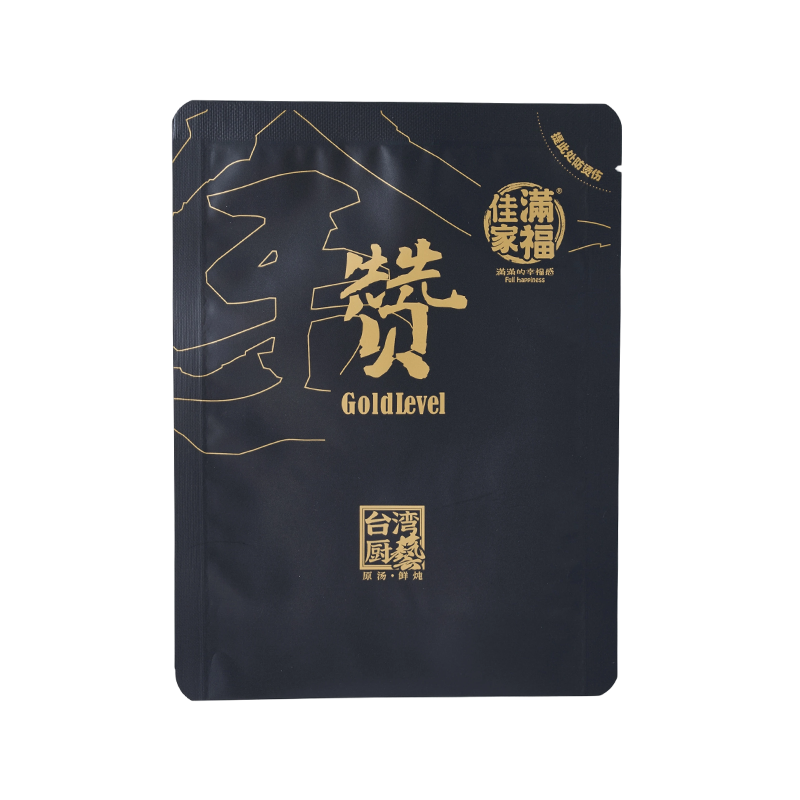
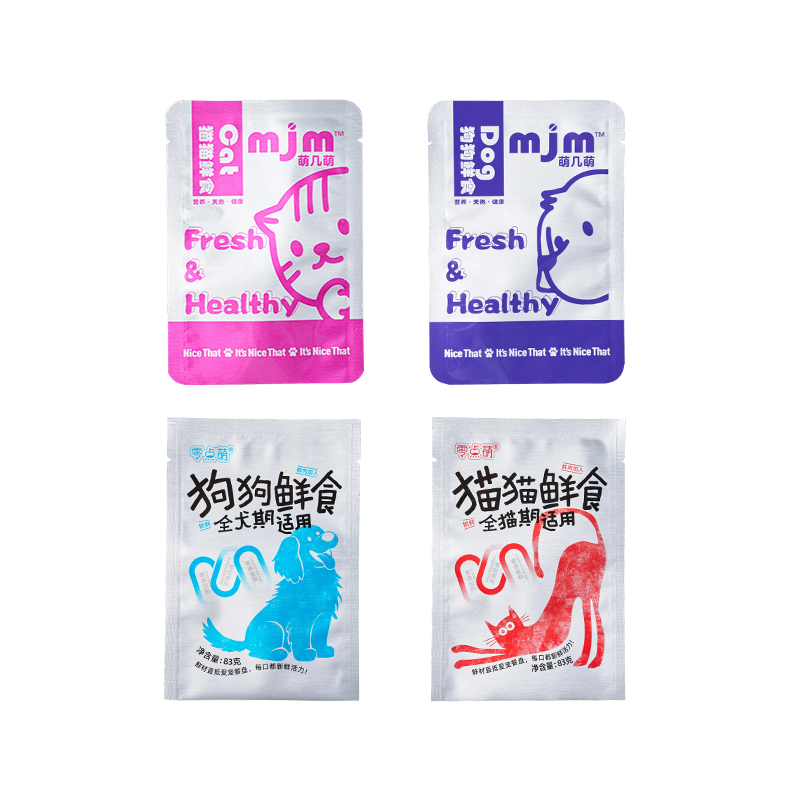
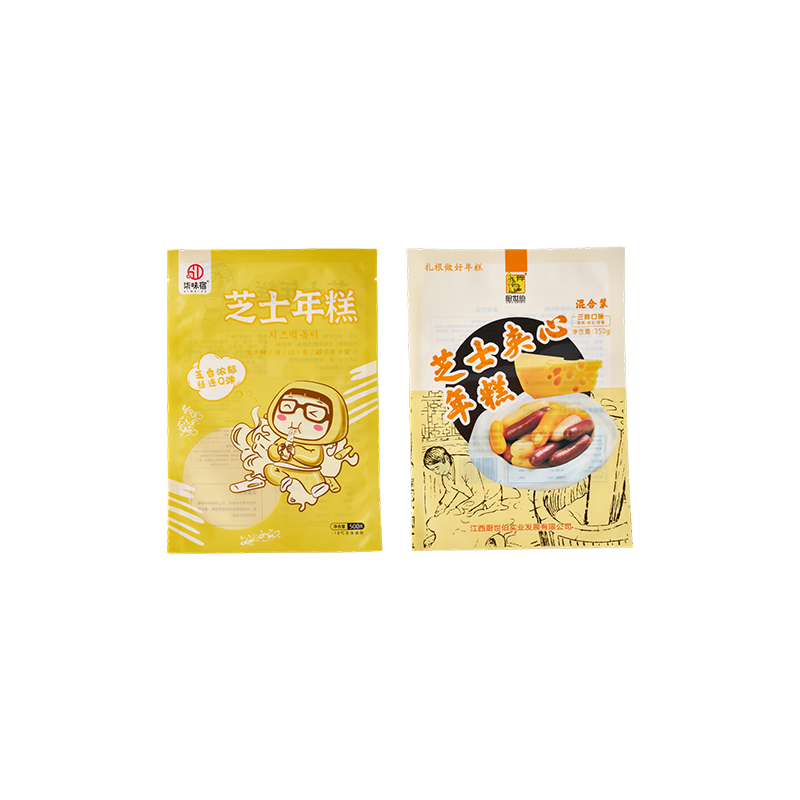
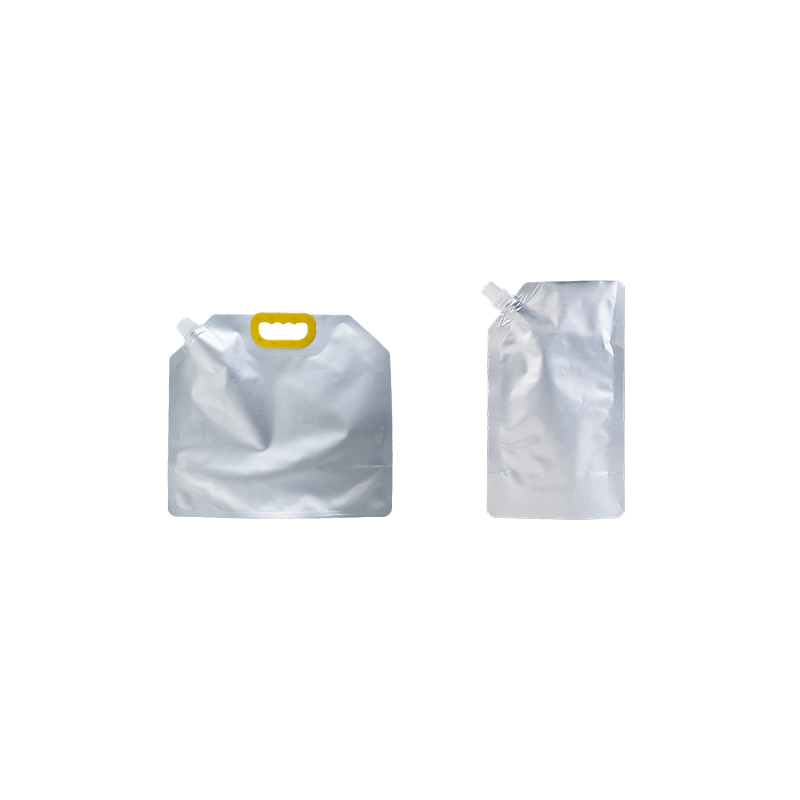
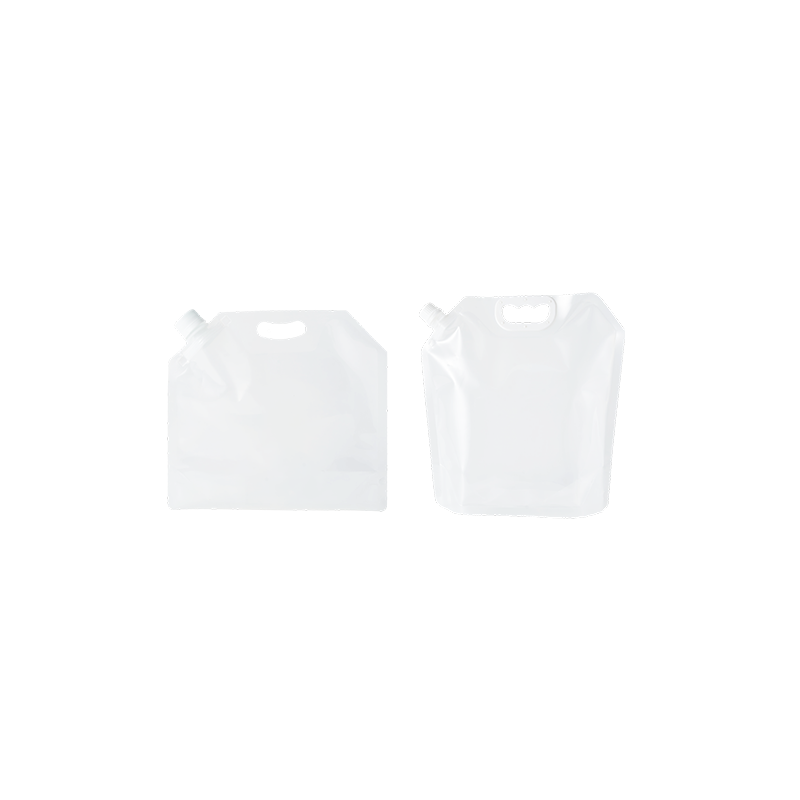
A aluminum foil retort pouch is filled, sealed, and then cooked inside a pressure vessel at 121 degrees Celsius. The foo...
READ MORE +-
 +86-13587951391
-
 [email protected]
 2nd Floor, Building B, No. 1088, Shidai Avenue, Longgang City, Wenzhou, Zhejiang Province, China.

Product Categories
-
Mid Seal Bag (12)
-
Spout Pouches (10)
-
Stand Up Bag (6)
-
Plastic Printed Film Roll (2)
-
Special-Shaped Bag (8)
-
Self-Sealing Bags (12)
-
Paper Pouches (3)
-
Aluminum Foil Retort Pouches (7)
-
Laundry Detergent Spout Pouches (2)
-
Printing Toy Packaging Bags (3)
-
Custom Meat Packaging Bags (3)
-
Face Mask Packaging Bags (1)
-
Blank Packaging Bags (7)
-
Frozen Prefabricated Food Packaging Series (5)
-
Pet Food Packaging Bags (4)
-
Wall Tile Decoration Sticker (137)
-
Kitchen Oil-Proof Stickers (78)
Recent Posts
Shenhong
We are a comprehensive manufacturing enterprise integrating flexible packaging design, printing, lamination, and bag making services.
Contact UsBlank Packaging Bags
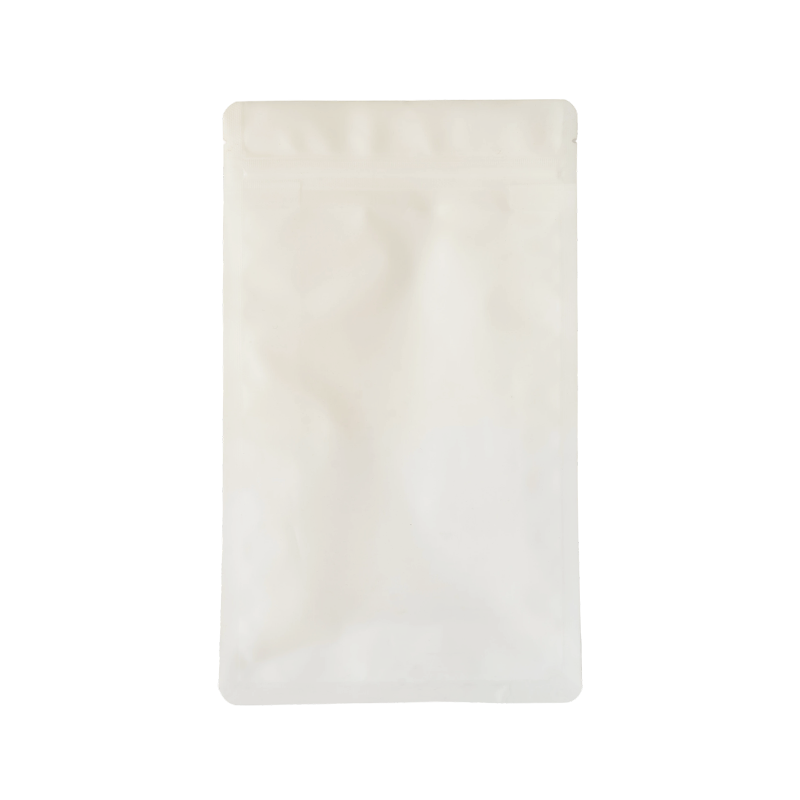
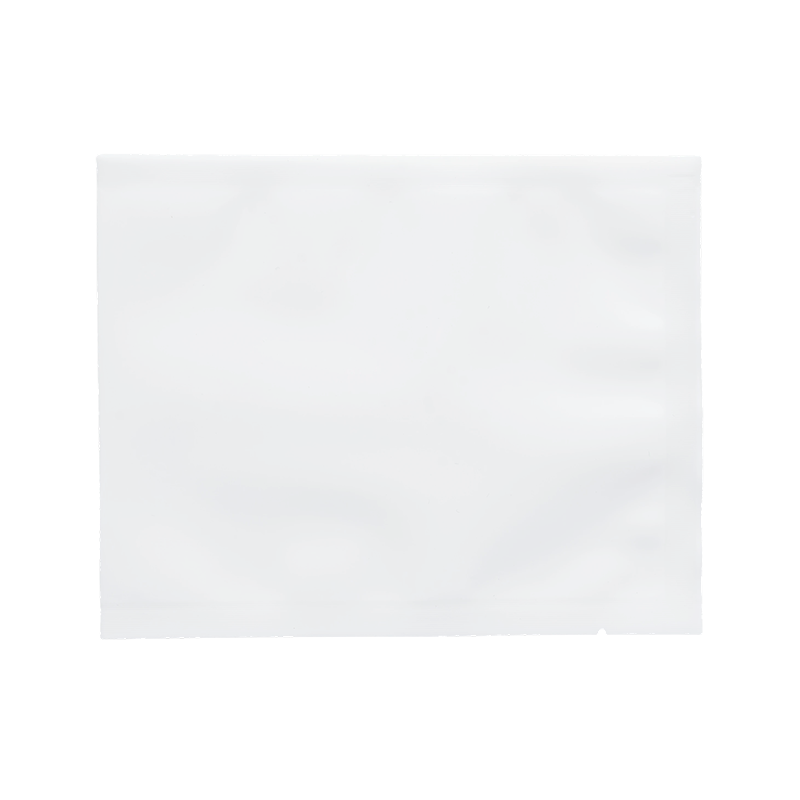
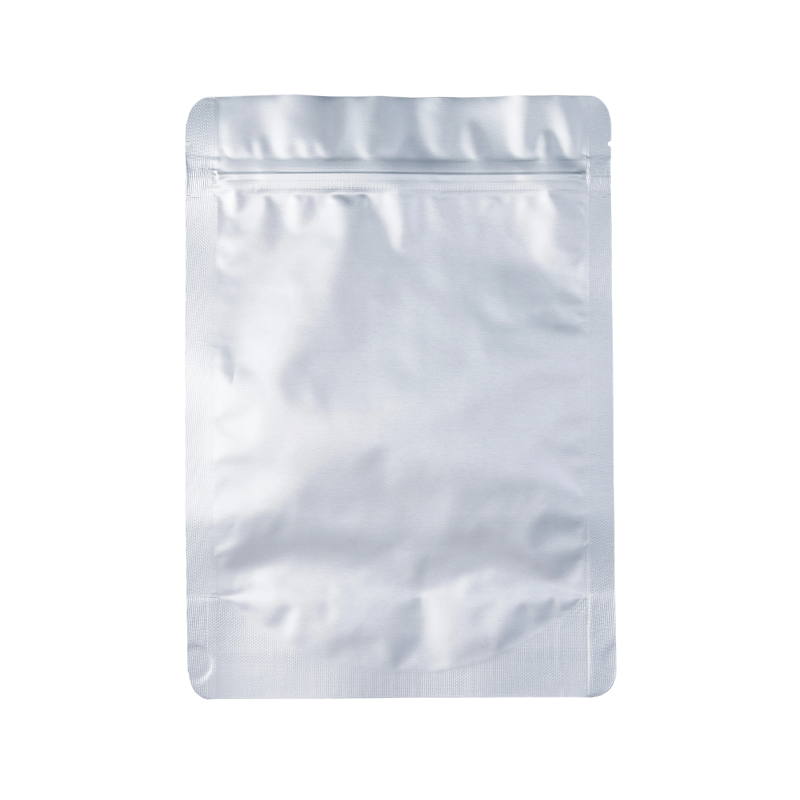
Blank Packaging Bags are a fundamental packaging or storage solution, with different materials selected according to specific usage scenarios. They can be labeled externally for identification or display purposes. In addition, blank bags offer high flexibility and customizability, making them suitable for packaging and storing a wide range of products, including food, daily necessities, clothing, toys, and hardware. Manufacturers can adjust the size, thickness, and material according to customer requirements to meet various protection, moisture resistance, or load-bearing needs.
About Us
Shen Hong Printing Co.,Ltd.
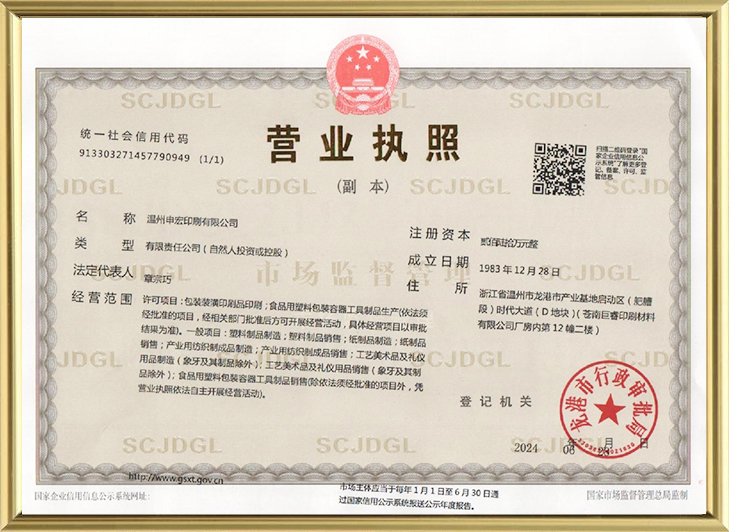
Founded in 1983, Shen Hong Printing Co., Ltd. from Wenzhou is a leading science and technology enterprise based in Zhejiang Province, China, specializing in packaging printing and flexible packaging solutions. The company integrates packaging design, packaging print, gravure printing, lamination, and precision bag manufacturing, providing customers with comprehensive, high-quality packaging solutions.
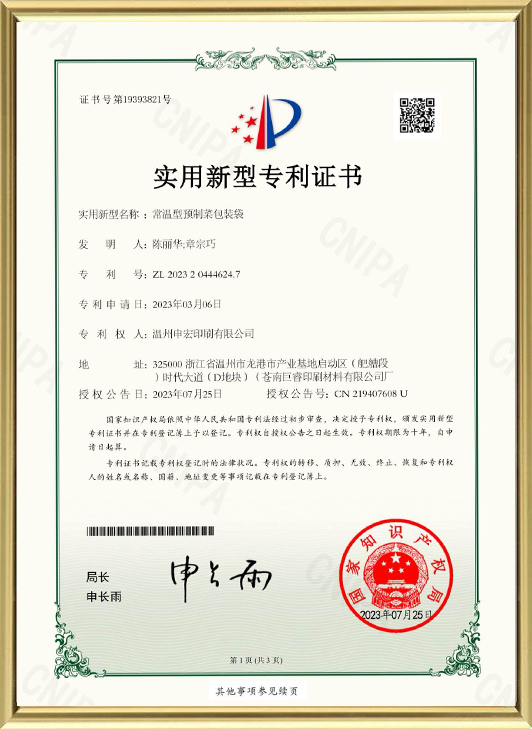
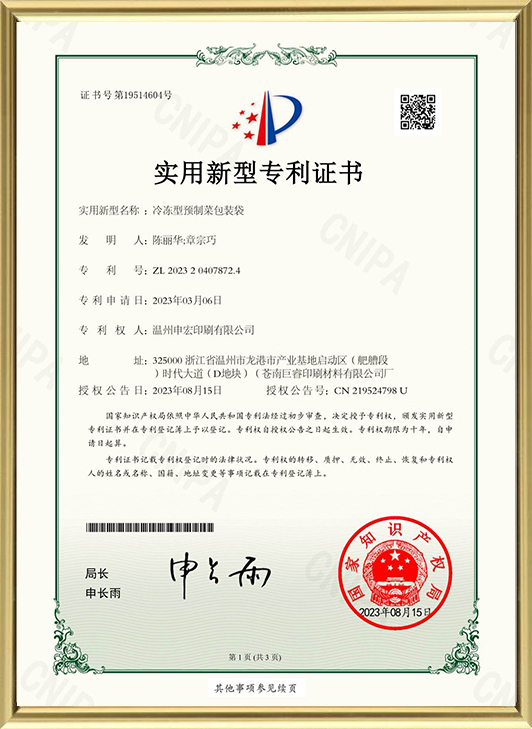
Shenhong specializes in the development and production of high-temperature retort packaging and low-temperature frozen packaging for the prepared food industry, and has obtained multiple utility model patents, demonstrating its commitment to continuous innovation.
The company operates advanced automated production equipment, including gravure printing presses, laminating machines, and bag-making lines capable of producing three-side seal, center seal, four-side seal, eight-side seal, stand-up, zipper, and other customized flexible packaging products.
Today, Shenhong's packaging printing products serve a wide range of industries, including food and beverage, daily consumer goods, agricultural chemicals, textiles, and electronics. Backed by over 40 years of manufacturing expertise, advanced technology, and strict quality control, the company continues to deliver reliable packaging print solutions to customers in both domestic and international markets.
Latest News
-
-
A bag of dog food sits in a warehouse for months before a customer opens it. The kibble inside contains fats that oxidiz...
READ MORE + -
A bag of coffee, a pouch of granola, a pack of dried fruit. These are not flat bags. They stand. The bottom gusset opens...
READ MORE + -
A bag of dog food sits on the shelf next to thirty other bags. The customer walks by, glancing. The bag has two seconds ...
READ MORE + -
A self-sealing bag has a simple mechanism: two strips of adhesive, one on each side of the opening, that press together ...
READ MORE +
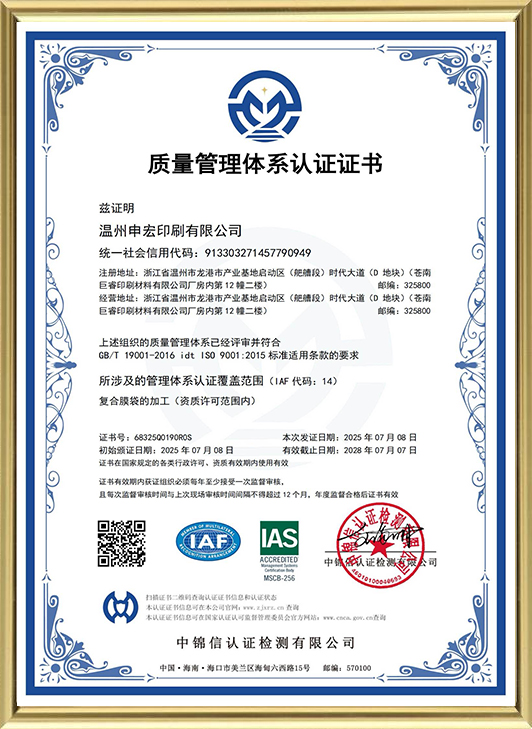
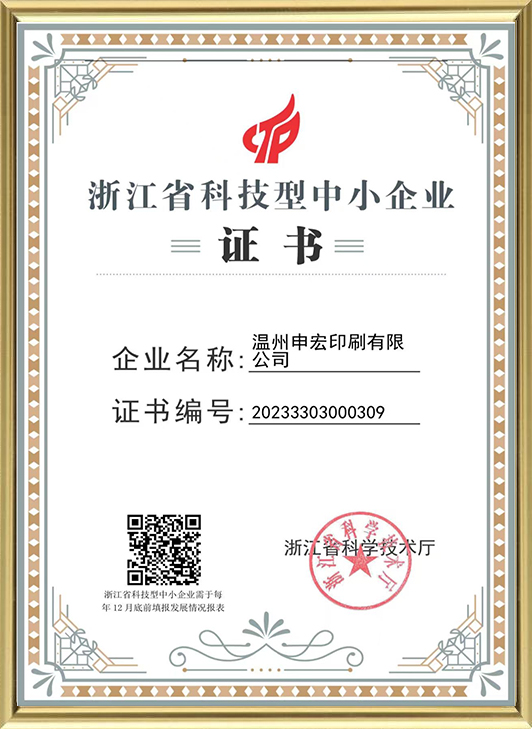
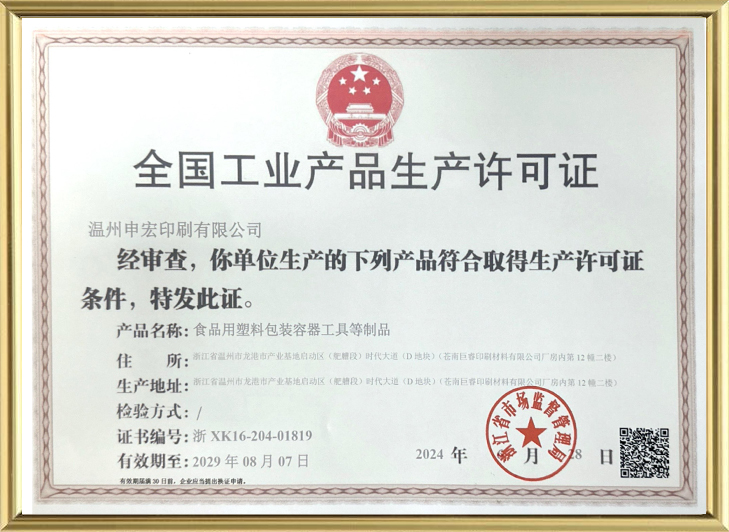
Certificate Of Honor
Message Feedback
Small Clear Packaging Bags: Sustainability, E-Commerce Shifts, and Enduring Retail Relevance
How Can Small Clear Packaging Bags Undergo a Sustainable Transformation?
Defining the sustainability challenge for small clear bags
Walk into any retail store or e-commerce fulfillment center, and you will see them everywhere—small clear packaging bags protecting jewelry, hardware, cosmetics, stationery, and countless other items. These bags have traditionally been made from virgin LDPE. They are lightweight, inexpensive, and transparent, which helps merchandise sell. But the environmental footprint is real. How small clear packaging bags undergo a sustainable transformation is a question that retailers and packaging suppliers are actively answering with three distinct approaches.
Material substitution: the first pillar
The most straightforward transformation is replacing virgin LDPE with recycled content. Many suppliers now offer small clear bags with 30–50 percent post-consumer recycled LDPE. The clarity decreases slightly—a hazy appearance is common at higher PCR percentages—but for most applications, the optical difference is acceptable. Bio-based PE is another option, derived from sugarcane ethanol. It performs identically to fossil-based PE and reduces petroleum dependence. The cost premium for bio-based PE ranges from 10–20 percent.
Structural redesign: the second pillar
Thinner films reduce material consumption. Advances in resin technology allow for downgauging—reducing film thickness by 15–25 percent while maintaining seal strength and puncture resistance. A bag that was 50 microns thick can now be 38–40 microns. The material saving is immediate and measurable. Some suppliers are also introducing perforated tear-strips that allow easy opening while maintaining the seal integrity during transit.
End-of-life communication: the third pillar
Sustainability transformation is not just material—it is behavior. Small clear bags now increasingly carry printed recycling instructions directly on the bag surface. A QR code linking to a recycling guide or a simple "check your local recycling" message helps consumers dispose of the bag correctly. For brands with direct consumer relationships, the bag itself becomes a communication tool.
A scenario from sustainable transformation
A US-based cosmetics brand packaging sample sachets switched from 100 percent virgin LDPE to 40 percent PCR LDPE. The clarity difference was minimal—barely noticeable to the consumer. The brand added a small printed message: "This bag contains 40% recycled plastic." Customer perception improved. The supply chain manager reported that the cost increase of 10 percent was absorbed by reduced virgin resin exposure in volatile markets.
Comparison: sustainable material options for small clear bags
· Virgin LDPE: baseline cost, excellent clarity, high carbon footprint
· PCR content (30–50%): 5–15% higher cost, moderate clarity, 30–60% carbon reduction
· Bio-based PE: 10–20% higher cost, excellent clarity, reduced fossil dependence
· Compostable films: 200–300% higher cost, lower clarity, requires industrial composting
For most retail applications, 30–50 percent PCR content offers the best balance of sustainability, performance, and cost.
What Are the New Requirements for Small Clear Packaging Bags in the E-Commerce and Retail Sectors?
Defining the dual-market pressure
Small clear packaging bags are caught between two demanding customers: the retail sector, which wants visual appeal and brand presentation, and the e-commerce sector, which wants durability, lightweighting, and shipping efficiency. The new requirements for small clear packaging bags in e-commerce and retail sectors are pulling the category in multiple directions, and successful suppliers are meeting both sets of demands.
The e-commerce requirements
For e-commerce fulfillment, the primary requirement is puncture resistance and seal integrity. Small bags are shipped in larger boxes with other items. If a bag punctures or opens, the small item can be lost—or worse, the bag itself becomes loose plastic contaminant in the box. The solution is a stronger seal area, achieved through wider seal bars and higher seal temperatures. Many e-commerce suppliers now specify a 5-millimeter minimum seal width and a target seal strength of 4.5 N/15mm. Tear resistance is measured by ASTM D1922; a minimum of 200 grams force is often required.
The second e-commerce requirement is weight reduction. Each gram matters when shipping thousands of units daily. Downgauging to thinner films is pursued aggressively, balanced against puncture resistance. The new sweet spot for e-commerce small clear bags is 30–40 microns, down from 50–60 microns a decade ago.
The retail requirements
For retail shelves, the primary requirement remains clarity and printability. Consumers need to see the product—whether it is a piece of jewelry, a hardware screw, or a cosmetic sample. The bag must be crystal clear, with no haze or distortion. Printability matters for branding, pricing, and barcodes. Flexographic or digital printing must be crisp and permanent.
The second retail requirement is resealability. Products sold in clear bags that are opened by customers—or that are repeat-use items like hair accessories—need to be reclosable. Peelable adhesive seals, zipper closures, or press-to-close features are now common.
A scenario from retail adaptation
A large hardware retailer required all small parts—screws, nuts, bolts—to be packaged in small clear bags with resalable closures. The previous non-resalable bags led to spillage and customer frustration. The supplier developed a peel-and-reseal adhesive closure that was applied during the bag making process. The closure added 6 percent to bag cost but reduced customer complaints by 40 percent.
Table: retail versus e-commerce requirements for small clear packaging bags
|
Requirement |
Retail |
E-Commerce |
Why the Difference Matters |
|
Clarity |
Critical (product visibility on shelf) |
Moderate (product visibility in packaging photos) |
Retail demands higher optical clarity |
|
Puncture resistance |
Moderate (shelf handling) |
High (shipping, box filling) |
E-commerce demands stronger films |
|
Seal strength |
Moderate (enough to contain product) |
High (withstand shipping pressure) |
E-commerce demands wider, stronger seals |
|
Resealability |
Often required (customer use) |
Rarely required (product removed immediately) |
Retail needs reclosable features |
|
Weight/thickness |
Less critical |
Critical (shipping cost driver) |
E-commerce demands lightweighting |
Comparison: retail versus e-commerce adaptation strategies
Retail-focused small clear bags invest in clarity, print quality, and shelf appeal. Materials may include additives for gloss and sparkle. E-commerce-focused small clear bags invest in strength, seal integrity, and lightweighting. Materials may include special seal layers and puncture-resistant additives. The packaging supplier serving both markets must offer multiple product lines optimized for each channel, or develop a hybrid bag that excels at both requirements. Most successful suppliers choose the hybrid route—a bag with high clarity and strong seals at the minimum possible thickness—to reduce inventory complexity and serve both customer bases with a single product.
Why Are Small Clear Packaging Bags Among the Widely Used Packaging Categories in the Retail Industry?
Defining the breadth of the category
Open any drawer in any retail store, and you will likely find small clear packaging bags. They are used for jewelry, hardware, toys, cosmetics, office supplies, food samples, craft items, and countless other product categories. Why small clear packaging bags are among the most widely used packaging categories in the retail industry comes down to four factors that no other packaging format matches.
Versatility: the first factor
Small clear bags fit almost any product. The range of standard sizes—from 2x3 inches to 12x16 inches, in thousands of combinations—accommodates everything from a single earring to a kitchen hardware kit. No other packaging category offers this breadth of sizing. The bag can be plain or printed, with or without a seal strip, with or without holes for pegboard display. Custom sizes can be ordered with short lead times.
The material flexibility adds to the versatility. Small clear bags are available in LDPE, HDPE, PP, and biodegradable films. Each material offers different properties—LDPE for flexibility and clarity, HDPE for stiffness and tear resistance, PP for clarity and heat resistance. The same bag format can serve multiple product categories by simply changing the film type.
Cost efficiency: the second factor
Small clear bags are among the least expensive packaging options per unit. A standard 3x5 inch LDPE bag with a seal strip costs pennies. This cost profile allows retailers to bag small items without significantly increasing the product cost. For low-margin items like hardware or office supplies, the packaging must be affordable to be viable.
Product visibility and presentation: the third factor
The clear film allows customers to see the product without opening the packaging. This is essential for retail merchandising—customers evaluate products visually. The bag protects the product from dust and handling while presenting it clearly. This combination of protection and visibility is unique to clear packaging formats.
A scenario that illustrates dominance
A study of a major US hardware retailer showed that small clear packaging bags accounted for 40 percent of the total packaging SKUs in the store. They were used for all small loose parts—screws, bolts, washers, nuts, and specialty items. The retailer's internal data showed that clear bag packaging reduced theft (compared to loose items on hooks) and increased average order value (customers bought more because they could see and compare products easily).
Comparison: small clear packaging bags versus alternatives
Compared to alternatives like blister packs, boxes, or jars, small clear packaging bags offer the lowest cost per unit and the highest space efficiency—they are flat and stackable, while boxes and jars take up significantly more storage space. For product visibility, clear bags provide full transparency, while boxes have only windowed cutouts or none at all. The trade-off is protection level and branding opportunity. Boxes and blisters offer better crush resistance and larger printable areas for branding. For the vast majority of small items—screws, jewelry, craft supplies, cosmetics samples—the protection requirement is low enough that a clear bag is sufficient. The cost advantage is so significant that even when boxes or jars are used for the same product category, the clear bag version typically sells more units.
The lasting relevance of small clear bags
Despite the emergence of more sophisticated packaging, small clear packaging bags have maintained their position as the retail workhorse. Their combination of low cost, versatility, and product visibility is unmatched. They are the default choice for small items in nearly every retail category. As sustainability becomes a bigger concern, the availability of recycled content and bio-based options ensures that small clear packaging bags will remain relevant for years to come. The category is evolving, but it is not disappearing.
FAQ
Q1: Can small clear packaging bags be made from recycled materials?
Yes. Many suppliers now offer small clear bags with 30–50 percent post-consumer recycled LDPE. The clarity is slightly lower than virgin film, but for most applications, the difference is acceptable. Bio-based PE (from sugarcane) is another option offering identical performance with reduced fossil resource use.
Q2: Are small clear packaging bags recyclable in household recycling bins?
Yes, in most regions. Small clear LDPE bags are accepted in store drop-off programs for plastic film recycling. They are not typically accepted in curbside mixed recycling due to their thinness and potential to clog sorting equipment. Check local recycling guidelines or use store drop-off locations.
Q3: What is the minimum thickness available for small clear packaging bags?
The minimum practical thickness is about 20–25 microns (0.8–1.0 mil). Below this thickness, the bag lacks sufficient handling strength and seal integrity for most applications. For e-commerce shipping requiring puncture resistance, 35–40 microns is a better choice.
Q4: How do I choose the right size small clear packaging bag?
Measure the product's length, width, and height. Add 1–2 inches to length and width for comfortable product insertion. Consider product thickness—thicker items may require larger widths. Most suppliers offer size guides and sample kits to help with selection.
Q5: What is the best closure for small clear packaging bags in retail?
Peelable adhesive seals are the most common and cost-effective retail closure. They are easy for customers to open and close. For reusable applications, press-to-close zipper seals are preferred. For maximum tamper evidence, heat seals (permanently sealed, require cutting to open) are used.
Contact
- ADD:
2nd Floor, Building B, No. 1088, Shidai Avenue, Longgang City, Wenzhou, Zhejiang Province, China.
- Mobile Phone:
+86-13587951391
- Tel:
+86-577-64465999
- Email:
Stay In Touch
Copyright © Shen Hong Printing Co.,Ltd.
All Rights Reserved.
