

 Español
 عربى

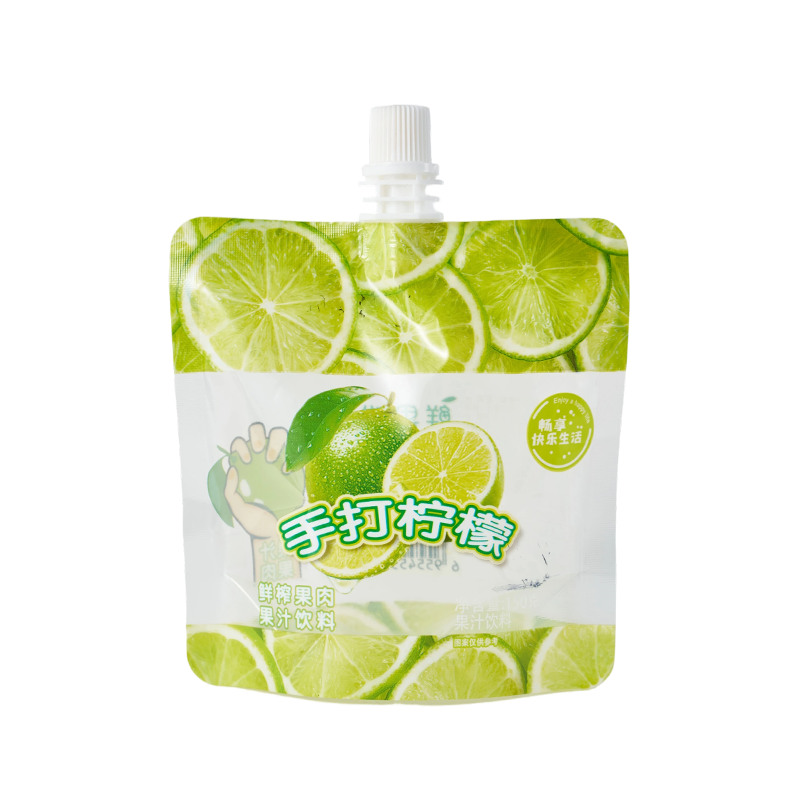
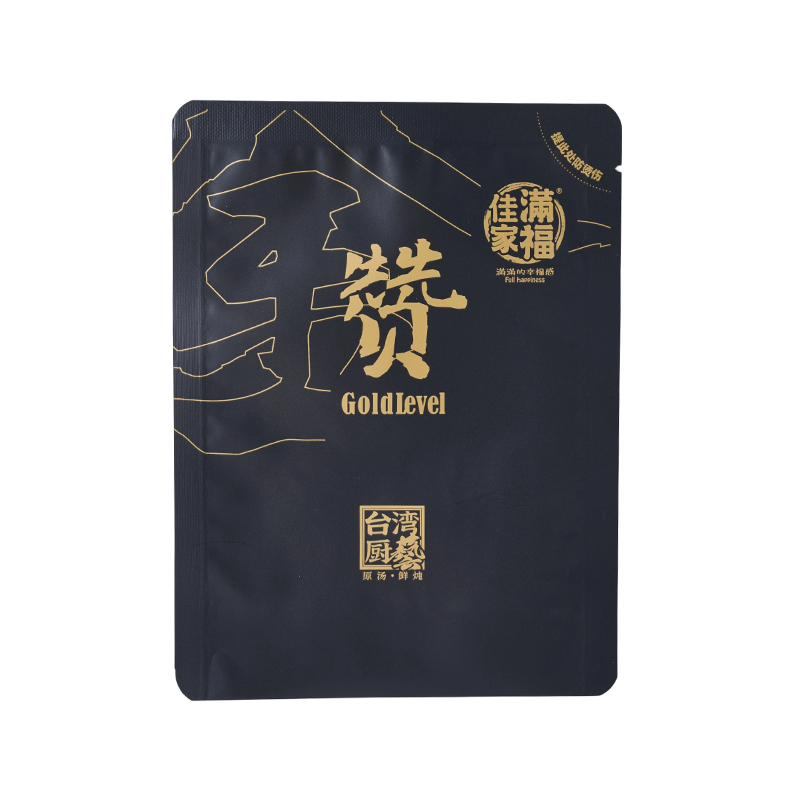
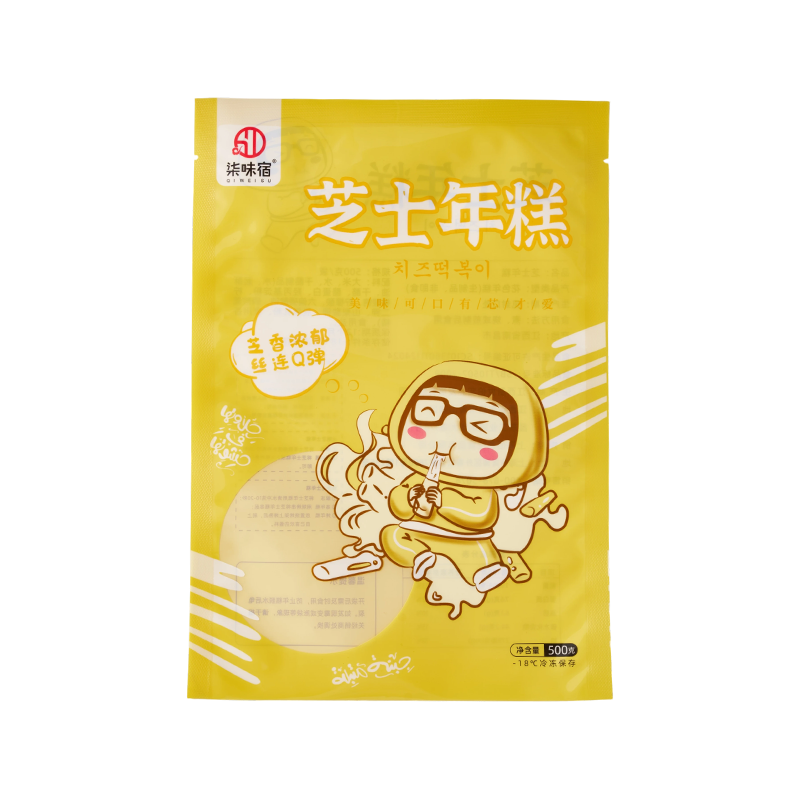
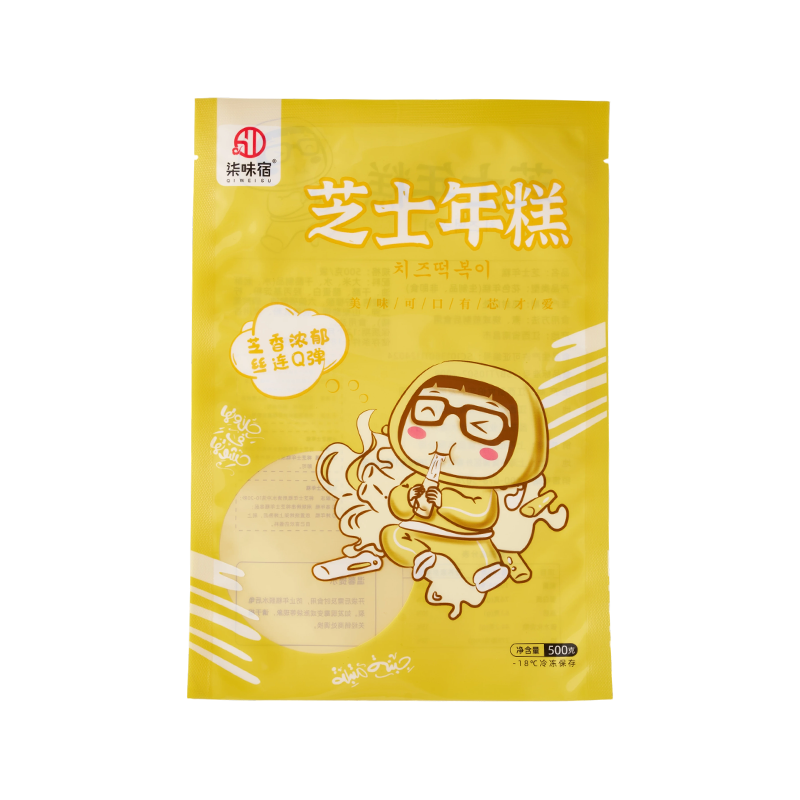
A flat pouch lies on the shelf and the product settles to the bottom. A food stand up pouch sits upright like a box. The difference is the folded bottom gusset that opens when the product fills it. That one fold turned the flexible bag into a shelf-ready package and made the stand up pouch the default for coffee, granola, and snacks.
One Fold, Two Jobs
The gusset does more than make the pouch stand. It adds volume without adding height. A stand up pouch holds more product than a flat pouch of the same front panel size, and the front panel stays clean for the print.
The empty pouch ships flat. The brand orders the pouches unformed or formed but empty, and the shipping volume is a fraction of what the filled pouches would take. The filler opens the pouch, fills it, and the gusset opens with the product.
The Barrier Is Chosen, Not Assumed
The pouch is a laminate. Printed PET or OPP outside. Metallized PET or aluminum foil in the middle. PE or CPP inside for the seal and the food contact. The middle layer is the barrier, and it decides the shelf life.
Metallized PET handles six to twelve months. Foil handles twelve to twenty-four. The brand that sells coffee with a long shelf life picks the foil. The brand that sells granola that moves fast can run the metallized layer and save the cost.
The Zipper and the Notch Are the User Interface
The zipper across the top lets the customer reseal the pouch after the first open. The coffee stays fresh. The granola stays crisp. The zipper is applied to the film before the pouch is formed, or inserted during the pouching run.
The tear notch above the zipper gives the clean opening. The customer does not need scissors. The pouch that opens with the notch and reseals with the zipper is the package the customer keeps in the pantry.
Here is what a food stand up pouch has to get right:
- Bottom gusset that opens into a stable base
- Laminate with the barrier matched to the shelf life
- Seal strength for the product weight
- Zipper and tear notch for the reseal and the opening
- Degassing valve for the roasted coffee
- Print quality that sells the brand
What Fills the Pouch
The coffee roaster fills the pouch with the whole bean or the ground and adds the degassing valve. The valve lets the carbon dioxide out and keeps the oxygen from getting in. The granola and the snack makers fill the pouch with the clusters and the chips. The dried fruit packers fill the pouch with the fruit and the clear window.
The Seal That Leaks Before the Date
The seal fails because the temperature or the pressure on the sealing bar was wrong. The zipper separates because the bond to the film was weak. The barrier was too thin and the product went stale before the printed date. None of these are visible on the receiving dock. They show up in the customer's pantry.
A food stand up pouch stands on the shelf and sells the product. The gusset holds the base. The barrier holds the freshness. Choose a manufacturer that matches the laminate to the product and tests the seal.