





 Español
 عربى


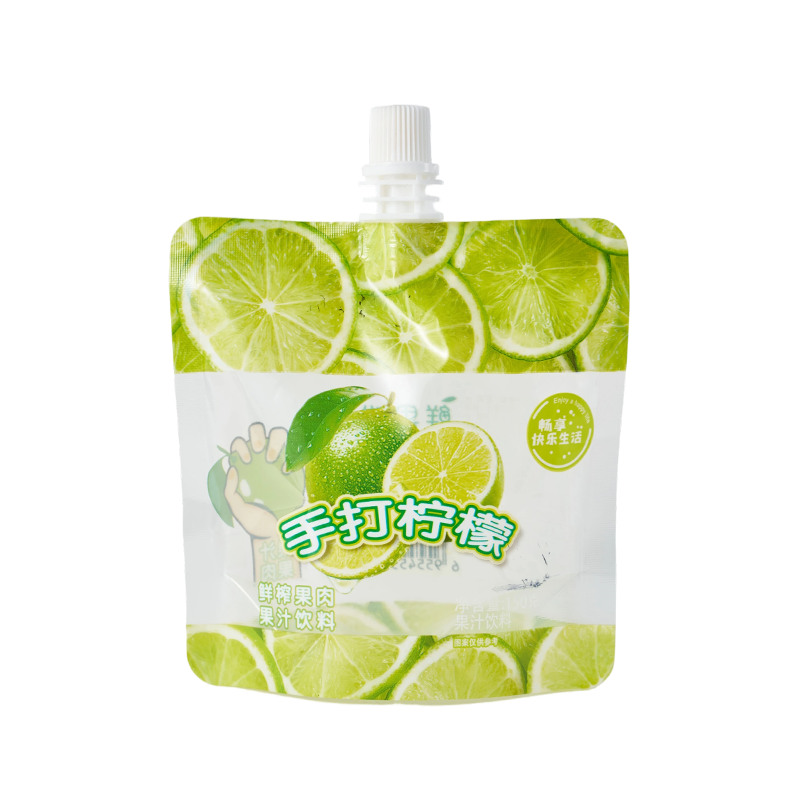
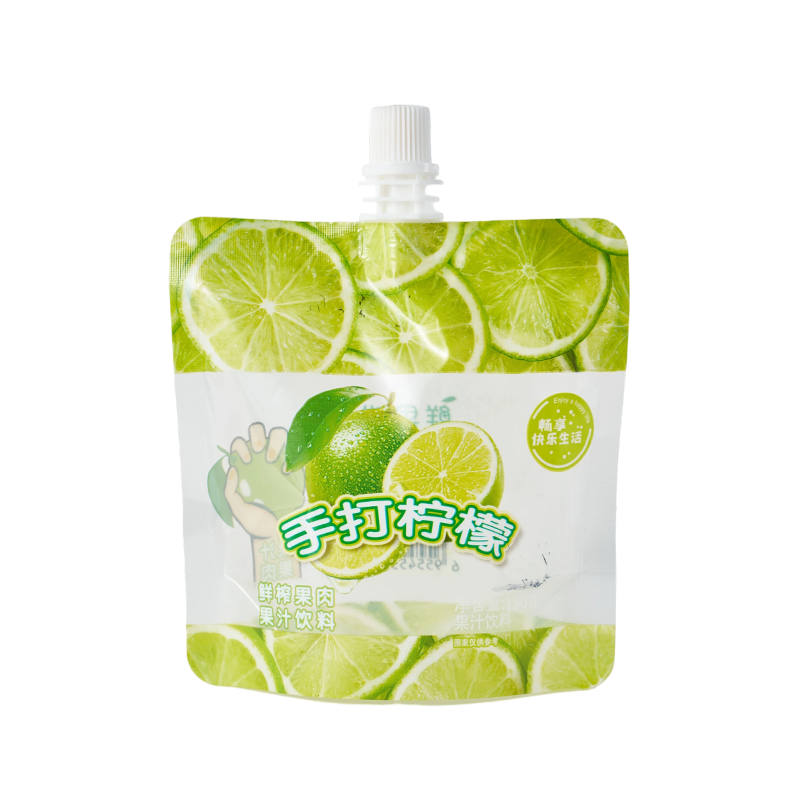
A large volume spout pouch is a flexible bag with a fitment welded into the top or the corner. The fitment is the spout, and the cap screws onto it. The user unscrews the cap, pours or pumps the contents, and screws the cap back on. The pouch replaces the rigid jug and the drum for the liquids and the semi-liquids that move in volume: the detergents, the oils, the syrups, the concentrates. The pouch is lighter than the jug, it ships flat before filling, and it empties completely.
The Fitment Is the Engineering
The spout is a molded plastic fitment, usually polyethylene or polypropylene, welded into the pouch film. The weld has to hold the weight of the liquid and the pressure of the pour without leaking. The fitment flange bonds to the inner sealant layer of the laminate.
A large volume spout pouch with the right fitment for the volume and the viscosity pours clean. A narrow spout on a thick product chugs and splashes. A wide spout on a thin product pours too fast. The spout diameter is matched to the contents.
The cap screws onto the fitment. The cap has the tamper-evident ring that breaks on the first open. The cap has to seal after the first use so the product does not leak in the cabinet.
The Film Has to Hold the Weight
A five-liter pouch of liquid weighs five kilos, plus the film and the fitment. The film has to hold that weight without stretching or bursting. The laminate is usually PET or nylon on the outside for the strength, a barrier layer in the middle, and a PE or CPP inner layer for the seal and the food contact.
A large volume spout pouch with the right film structure handles the drop and the stacking. The handle cutout, when present, is reinforced. The pouch that is lifted by the handle puts the entire load on the film around the cutout.
The Stand-Up Base
A large volume spout pouch usually has a bottom gusset that opens into a flat base. The pouch stands on the shelf or the floor. The base has to hold the weight without the pouch tipping. The gusset is folded and sealed during the pouch making, and the dimensions are set for the volume.
A large volume spout pouch with the right base stands stable when full and folds flat when empty. The empty pouch takes a fraction of the space of the empty jug.
Here is what a large volume spout pouch has to get right:
- Fitment welded into the film with the leak-free bond
- Spout diameter matched to the viscosity
- Tamper-evident cap that reseals
- Film structure that holds the filled weight
- Reinforced handle cutout where present
- Bottom gusset that stands stable when full
Where the Spout Pouch Goes
The detergent and the cleaning products use the spout pouch for the concentrates and the refills. The pouch uses less plastic than the jug. The industrial oils and the lubricants use the pouch for the bulk handling. The food service uses the pouch for the sauces, the syrups, and the purees.
The Weld That Weeps
The fitment weld weeps because the seal parameters were wrong or the fitment flange was contaminated. A large volume spout pouch with the controlled weld holds. The film bursts because the structure was too weak for the volume. The right laminate holds. The cap leaks because the thread was molded out of tolerance. The cap that seals after the first open keeps the product in.
A large volume spout pouch replaces the jug and the drum for the liquids that move in volume. The fitment pours. The film holds. The base stands. Choose a manufacturer that controls the weld and matches the film to the weight.
