

 Español
 عربى
عربى
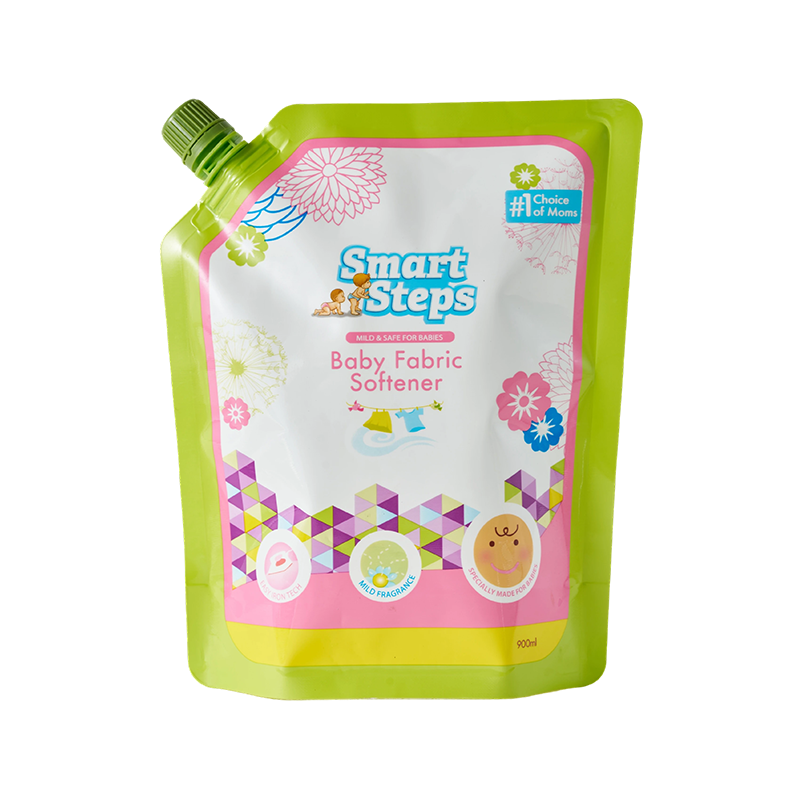
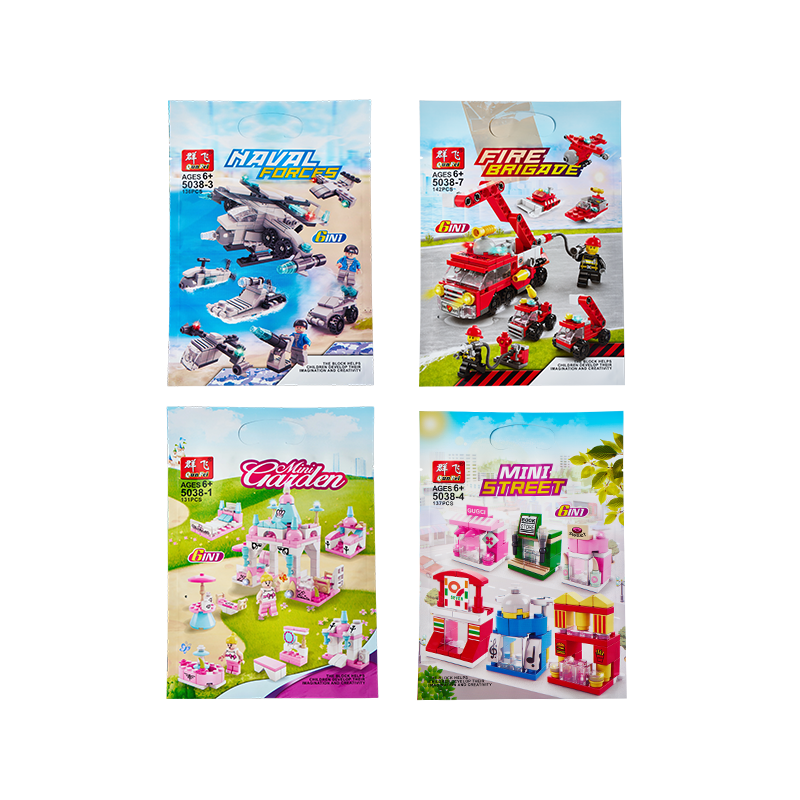
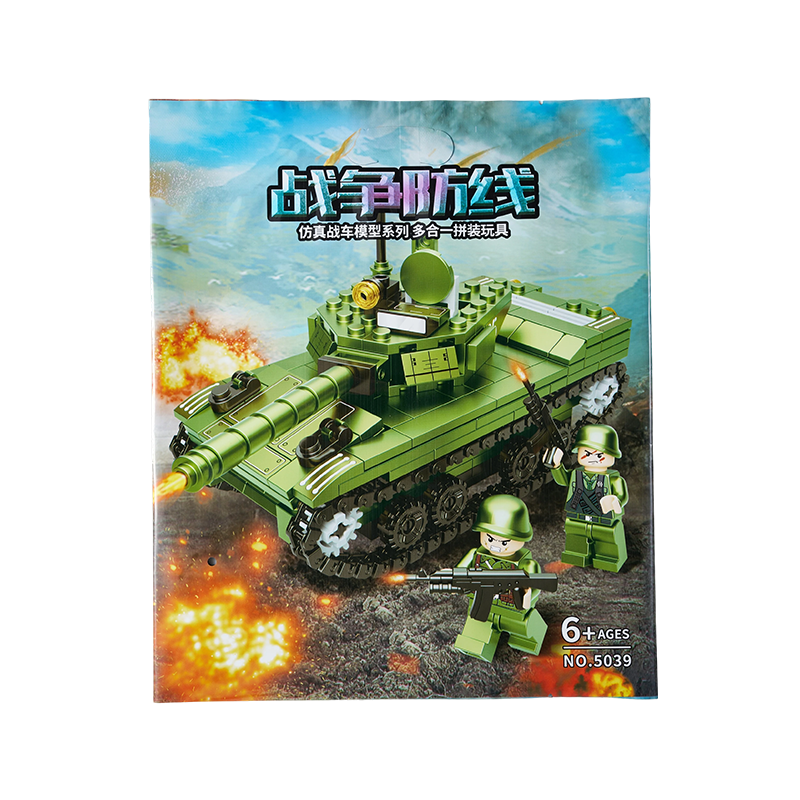
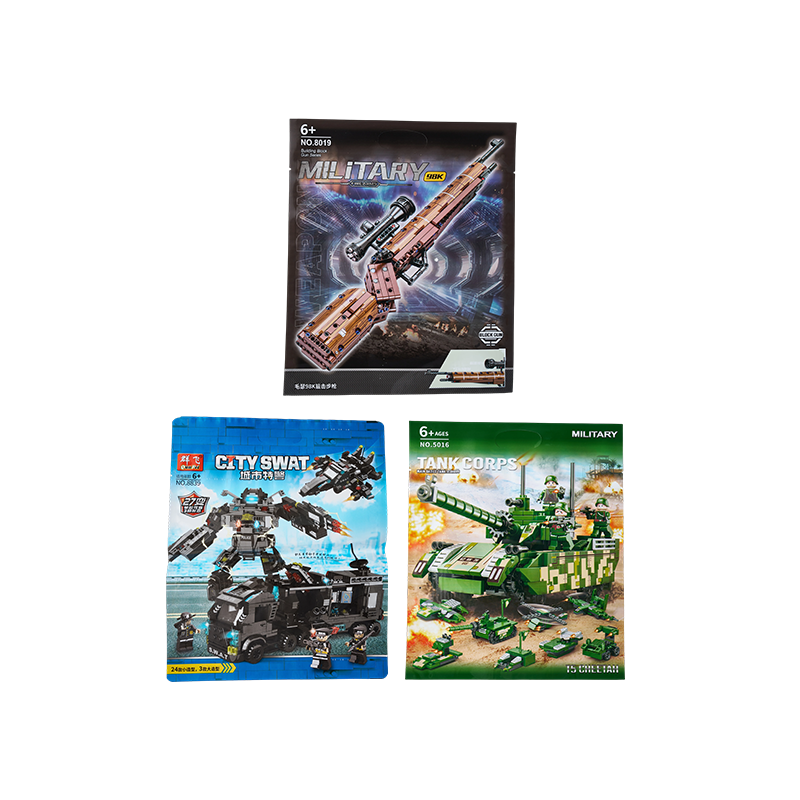
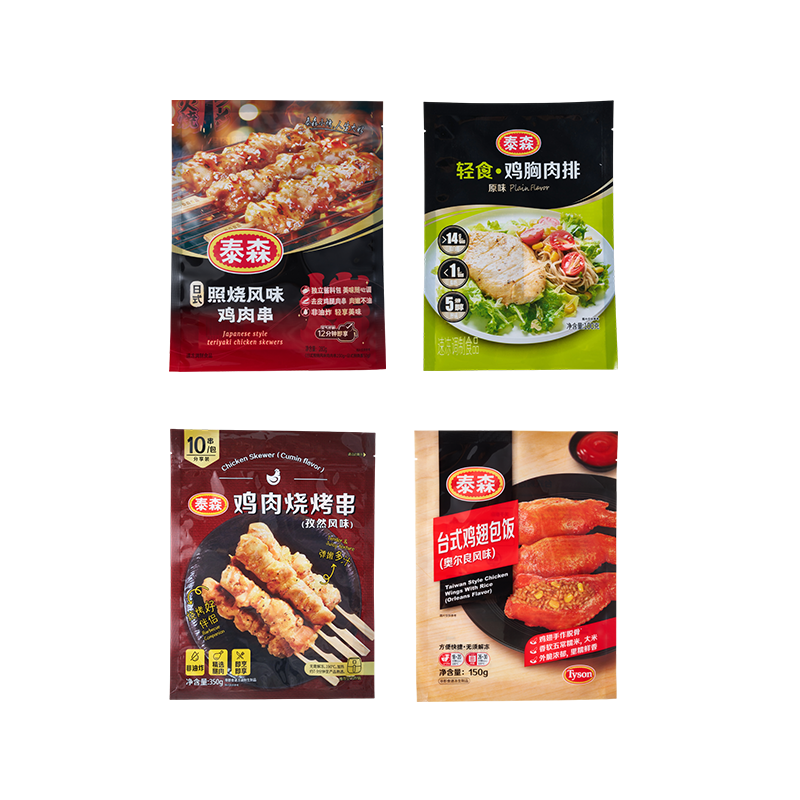
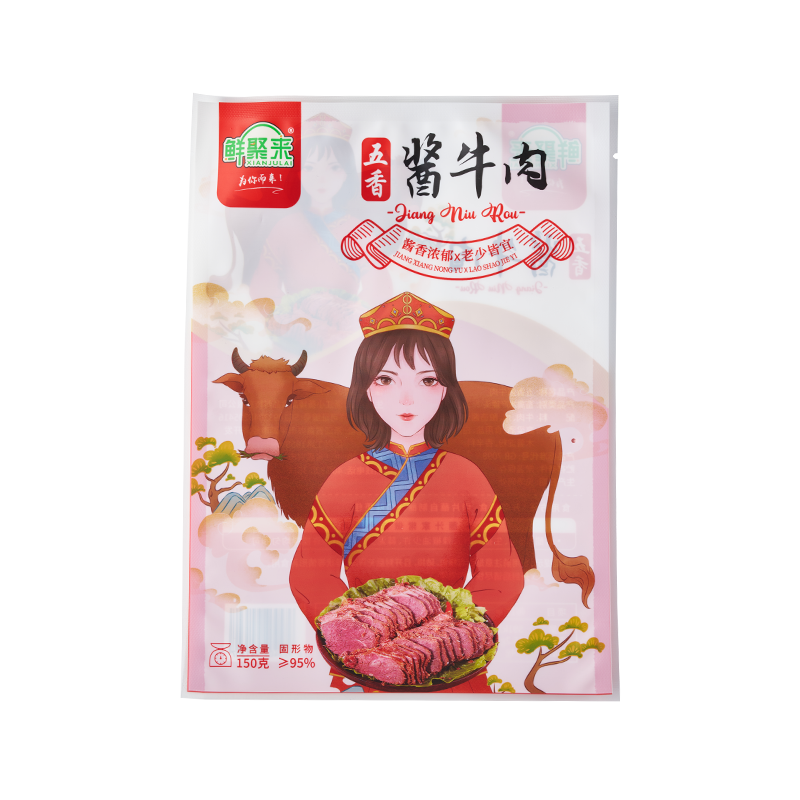
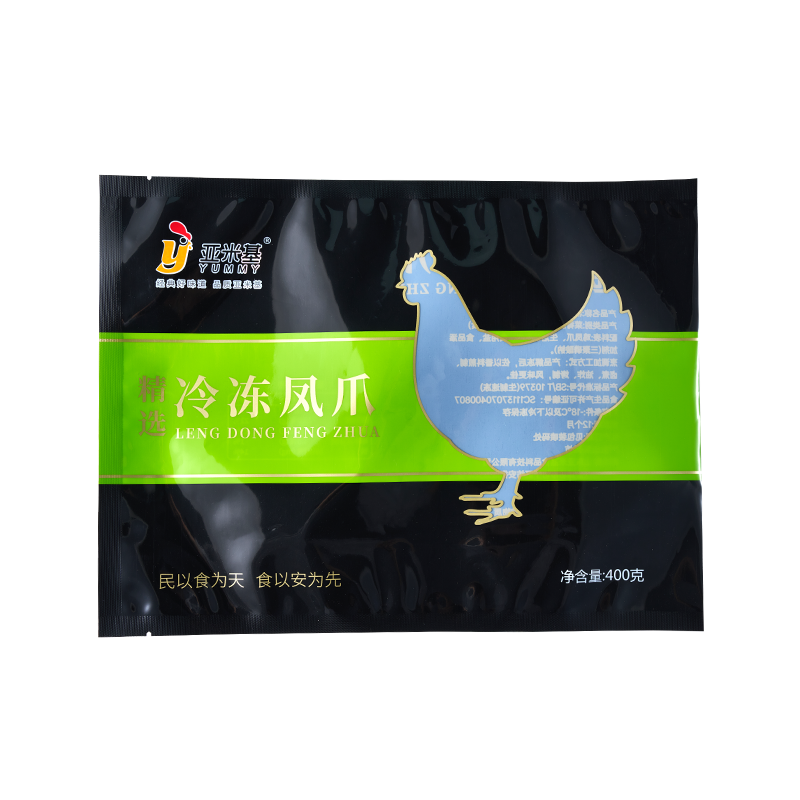
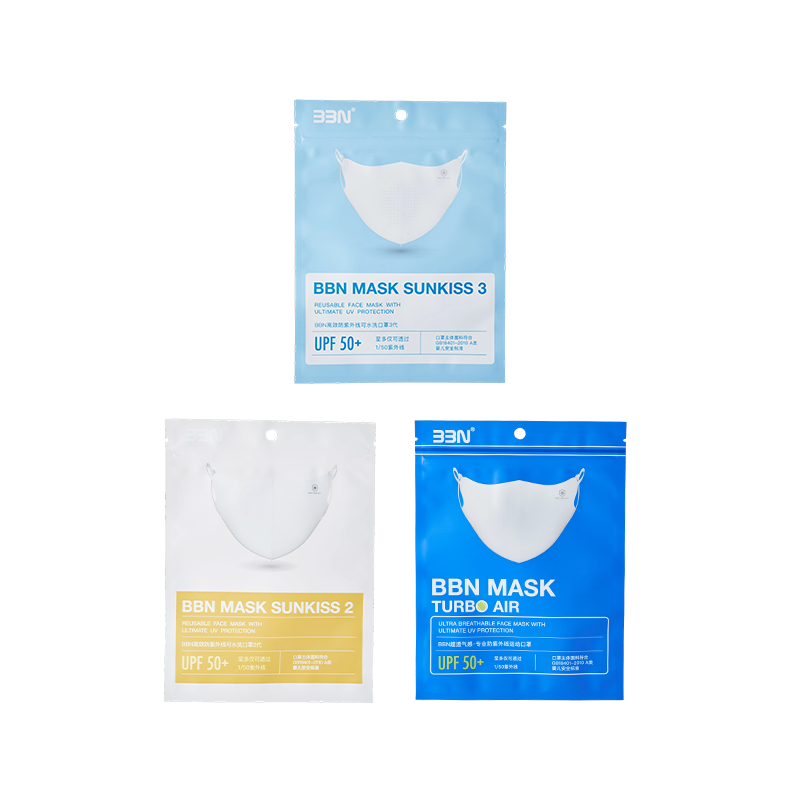
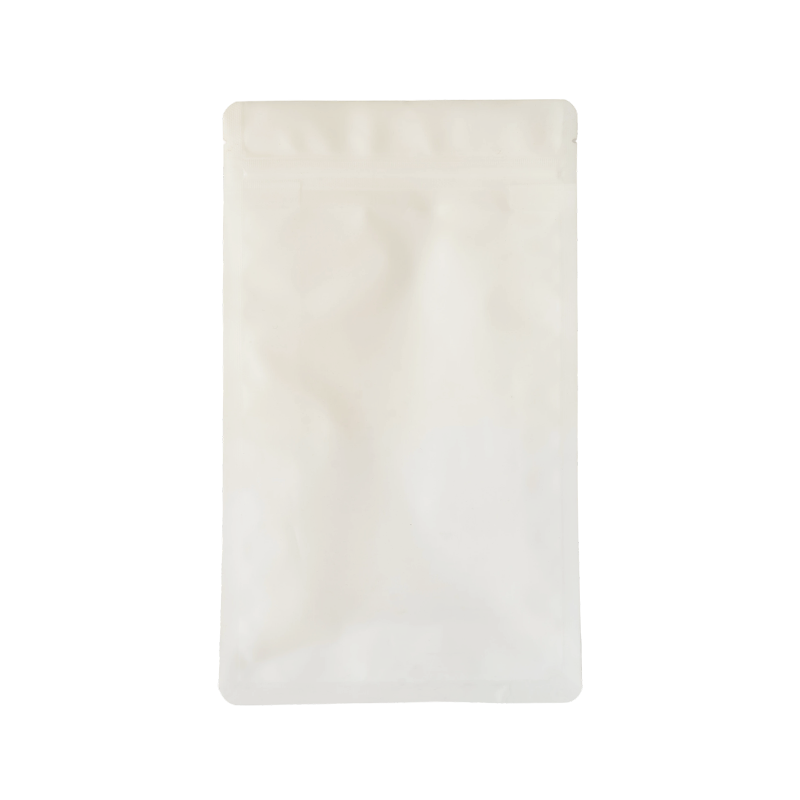
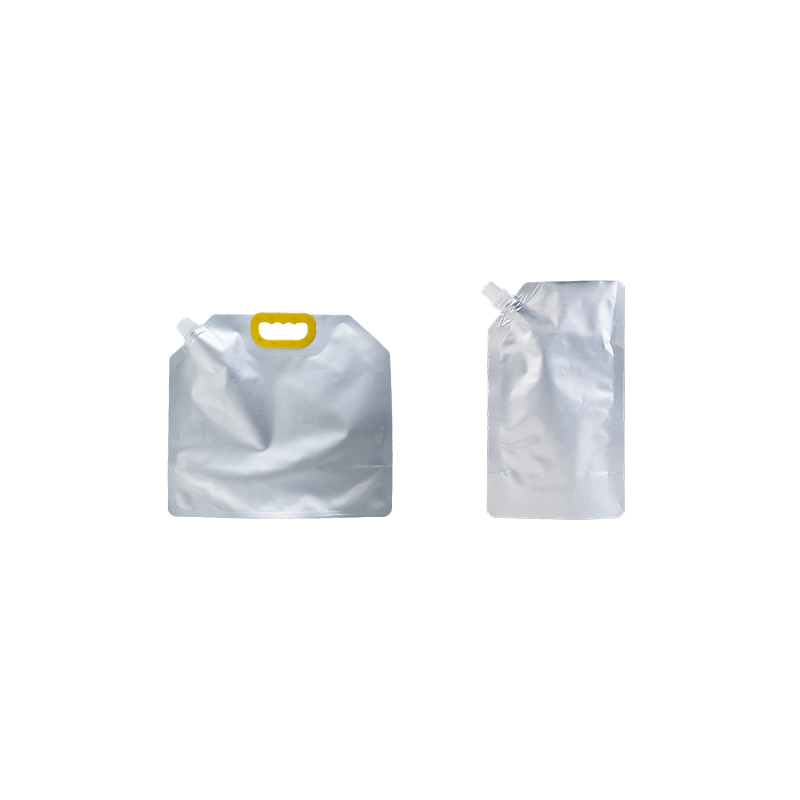
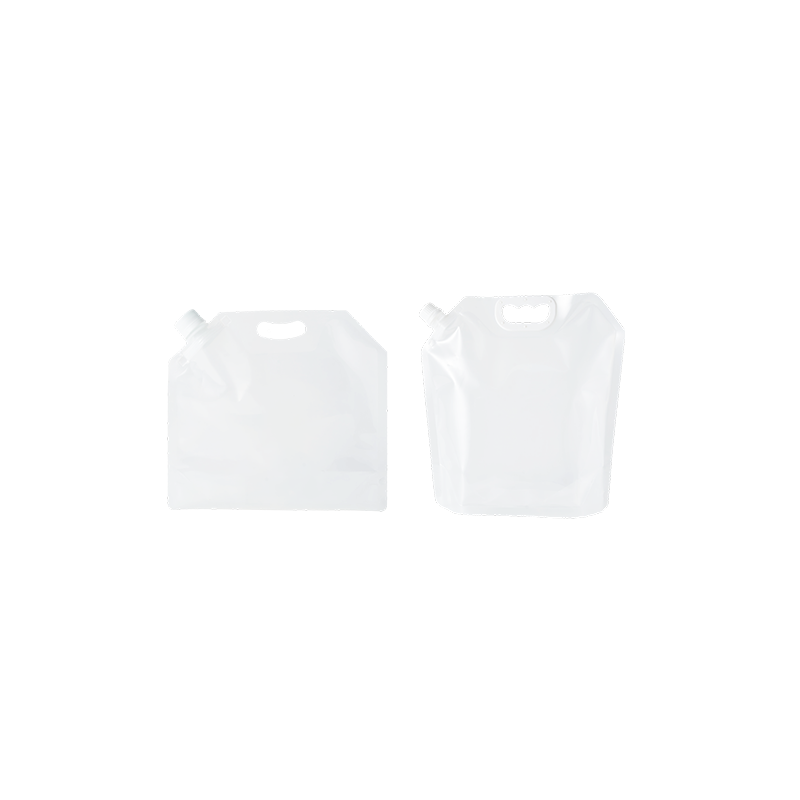
A aluminum foil retort pouch is filled, sealed, and then cooked inside a pressure vessel at 121 degrees Celsius. The foo...
READ MORE +-
 +86-13587951391
-
 [email protected]
 2nd Floor, Building B, No. 1088, Shidai Avenue, Longgang City, Wenzhou, Zhejiang Province, China.

Product
Home / Product
Custom Custom Food Manufacturer
About Us
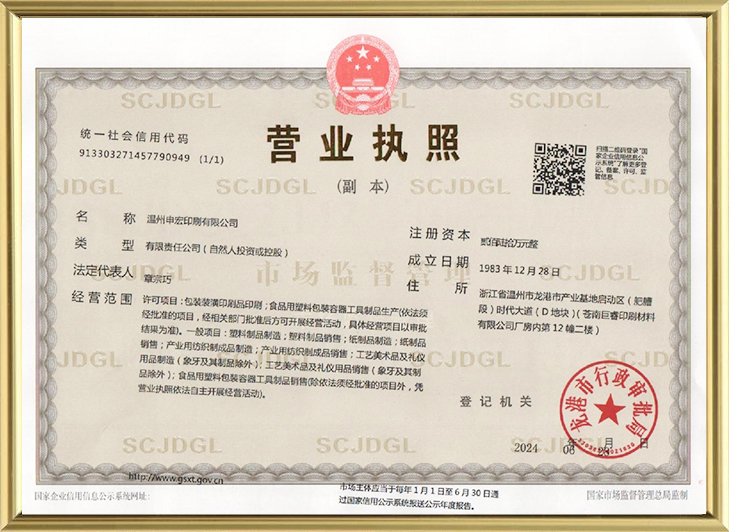
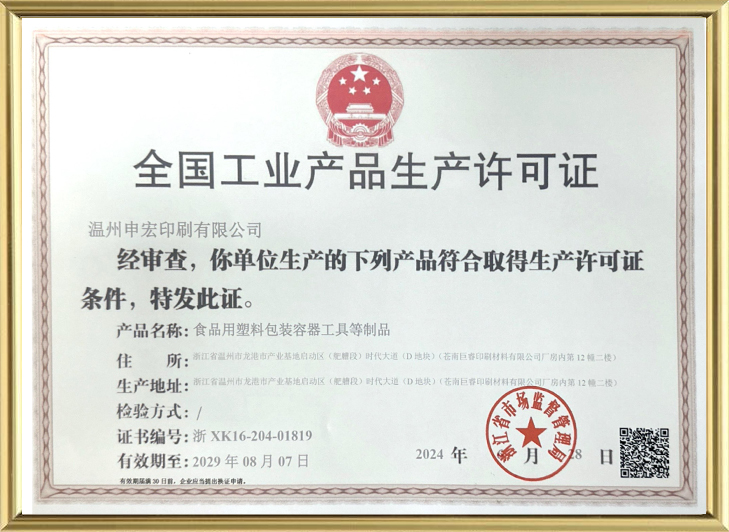
Shen Hong Printing Co.,Ltd.
Founded in 1983, Shen Hong Printing Co., Ltd. from Wenzhou is a leading science and technology enterprise based in Zhejiang Province, China, specializing in packaging printing and flexible packaging solutions. The company integrates packaging design, packaging print, gravure printing, lamination, and precision bag manufacturing, providing customers with comprehensive, high-quality packaging solutions.
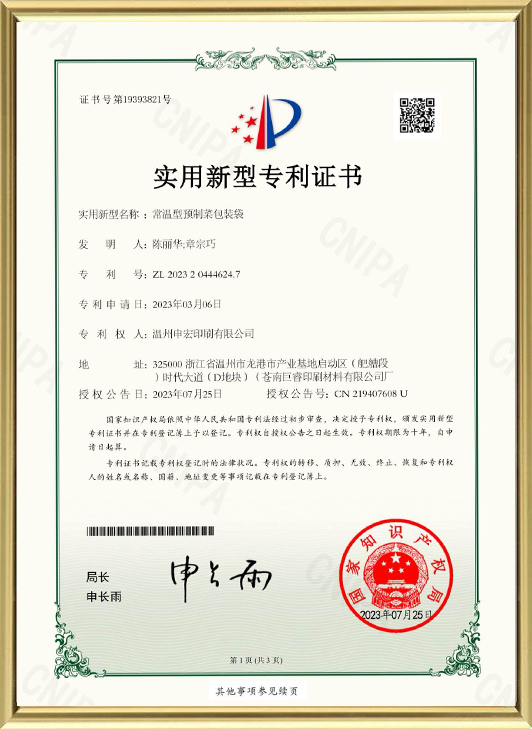
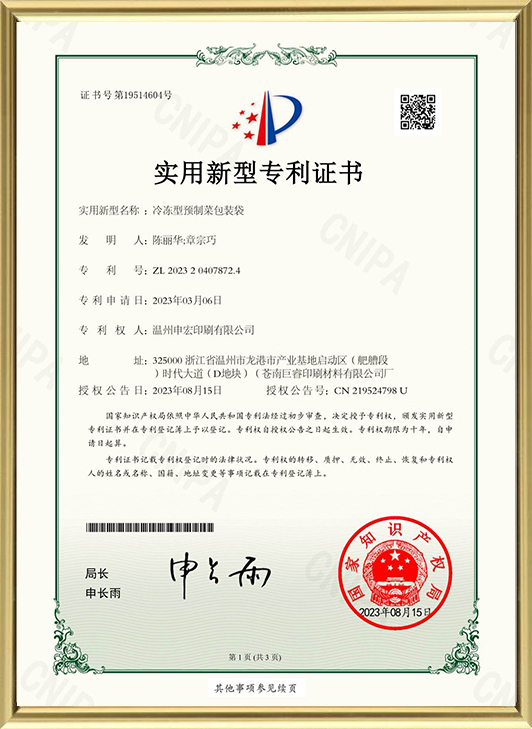
Shenhong specializes in the development and production of high-temperature retort packaging and low-temperature frozen packaging for the prepared food industry, and has obtained multiple utility model patents, demonstrating its commitment to continuous innovation.
The company operates advanced automated production equipment, including gravure printing presses, laminating machines, and bag-making lines capable of producing three-side seal, center seal, four-side seal, eight-side seal, stand-up, zipper, and other customized flexible packaging products.
Today, Shenhong's packaging printing products serve a wide range of industries, including food and beverage, daily consumer goods, agricultural chemicals, textiles, and electronics. Backed by over 40 years of manufacturing expertise, advanced technology, and strict quality control, the company continues to deliver reliable packaging print solutions to customers in both domestic and international markets.
Latest News
-
-
A bag of dog food sits in a warehouse for months before a customer opens it. The kibble inside contains fats that oxidiz...
READ MORE + -
A bag of coffee, a pouch of granola, a pack of dried fruit. These are not flat bags. They stand. The bottom gusset opens...
READ MORE + -
A bag of dog food sits on the shelf next to thirty other bags. The customer walks by, glancing. The bag has two seconds ...
READ MORE + -
A self-sealing bag has a simple mechanism: two strips of adhesive, one on each side of the opening, that press together ...
READ MORE +
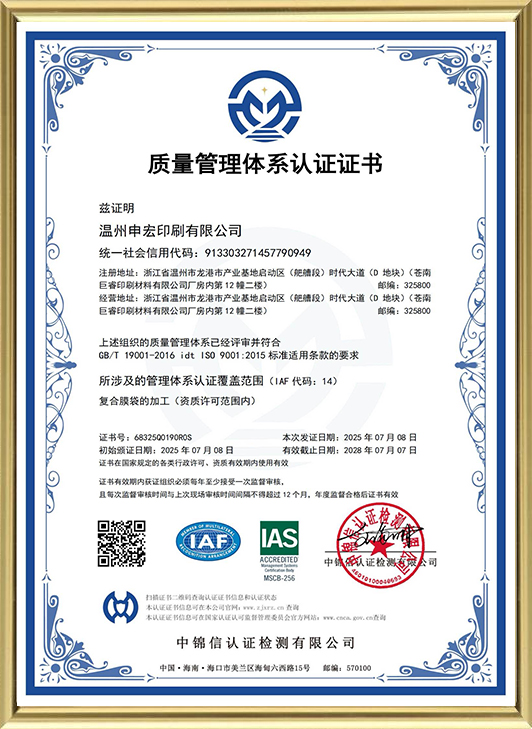
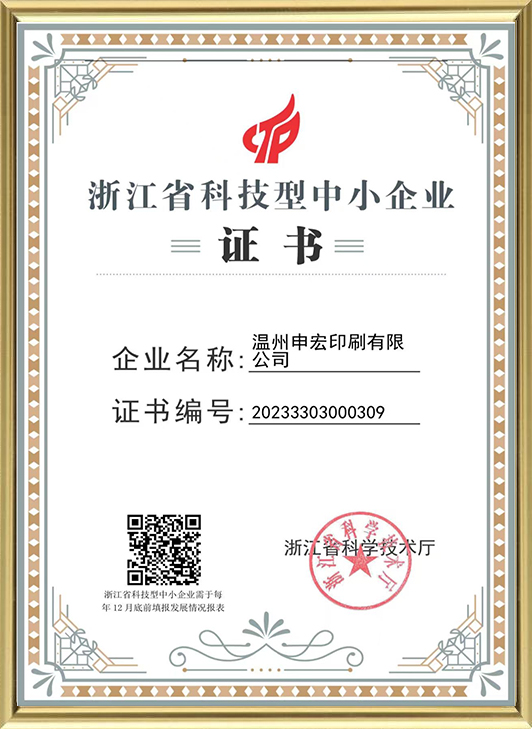
Certificate Of Honor
Message Feedback
Smarter, Greener, Faster: How Custom Packaging Is Adapting to Sustainability, E-Commerce, and Digital Demands
How Can Custom Packaging Manufacturers Select Sustainable Packaging Materials?
Defining sustainable material selection
For custom packaging manufacturers, selecting sustainable materials is not a simple swap. It is a balancing act between environmental goals, functional performance, cost constraints, and supply chain availability.
The decision framework
The selection process should follow three steps. First, define the application requirements—what is being packaged, what are the protection needs, and what is the shelf life expectation. Second, evaluate material options against these requirements. Third, test the shortlisted materials on existing equipment.
Common sustainable options include recycled content (PCR) films, which cost 5–15 percent more than virgin but reduce carbon footprint by 40–60 percent. Bio-based PE offers identical performance to fossil-based PE with reduced petroleum dependence. Compostable films suit lightweight, low-moisture products but cost 2–3 times more and require industrial composting facilities. For most custom packaging applications, recycled content offers the best balance of performance, cost, and environmental benefit.
A scenario from the field
A custom packaging supplier switched their standard garment bags to 30 percent PCR material. The cost increase was 8 percent. Customer acceptance was positive, and the brand won two new retail contracts specifically because of the sustainable offering.
Comparison: material trade-offs
Virgin LDPE remains the low-cost, high-performance baseline. PCR content balances cost and sustainability. Bio-based PE offers the same performance with renewable feedstock. Compostable films provide end-of-life solutions but sacrifice performance and cost. The selection depends on the customer's sustainability targets, product protection needs, and budget.
How Can Packaging Bag Manufacturers Implement a Smart Transformation?
Defining smart transformation in packaging
For packaging bag manufacturers, smart transformation means integrating digital technology into the bag itself—turning a passive package into an active data carrier.
The three layers of smart implementation
- Tracking and tracing — The foundational layer. Embed RFID tags or print QR codes on bags. These carry lot numbers, production dates, and destination data. When scanned, they update inventory systems automatically, eliminating manual data entry errors.
- Condition monitoring — The second layer. Add temperature or humidity indicators to the bag or film. For sensitive products like food or pharmaceuticals, passive sensors can log the entire temperature history during transport, providing cold chain verification.
- Customer engagement — The third layer. QR codes can link to instructional videos, product origin stories, or recycling information. This creates a direct digital channel between the brand and the end consumer.
A scenario from implementation
A medium-sized packaging bag manufacturer added printed QR codes to their produce bags. The codes linked to storage tips and recipe suggestions. Within six months, the codes were scanned over 50,000 times, and the client reported increased customer engagement and repeat purchases.
Comparison: smart implementation options
RFID tracking provides the highest value for logistics efficiency but costs $0.15–0.50 per bag. QR codes offer a low-cost entry point at $0.01–0.03 per bag for printing, though they require user action to scan. Temperature logging sensors add $1.00–2.00 per bag, suitable only for high-value temperature-sensitive shipments. Most packaging bag manufacturers start with QR codes, then add RFID for high-volume logistics applications.
How Can Flexible Packaging Bags Be Adapted for E-Commerce?
Defining the e-commerce challenge
Flexible packaging bags designed for retail shelves often fail in e-commerce. The bumps, drops, and compression of shipping require different performance characteristics. How flexible packaging bags are adapted for e-commerce involves a complete rethinking of material structure and closure design.
Key adaptations for e-commerce
The primary adaptation is puncture resistance. E-commerce packages face rough handling. A bag that survives a retail shelf may tear in a shipping carton. Solutions include multi-layer films with a tough outer layer (often nylon or PET), increasing film thickness, and using rounded corners to reduce stress points.
The second adaptation is reclosure. E-commerce returns are common. A bag that tears during opening cannot be returned. Stronger zipper seals, peel-and-reseal adhesives, and tear-notches that preserve the seal zone are essential.
The third adaptation is lightweighting. E-commerce shipping costs are weight-based. Reducing film thickness reduces weight and shipping cost, but must be balanced against puncture resistance requirements.
Table: e-commerce adaptations and their impact
|
Adaptation |
Typical Solution |
Benefit |
Trade-Off |
|
Puncture resistance |
Multi-layer film with nylon outer layer |
50–70% fewer shipping tears |
5–15% higher material cost |
|
Reclosure capability |
Heavy-duty zipper, peel-and-reseal tape |
Enables returns; reduces product damage |
10–20% higher production cost |
|
Lightweighting |
Thin-wall film with high strength resin |
5–10% lower shipping cost |
Reduced stiffness; handling challenges |
|
Drop-test certification |
Validated film and seal design |
Meets ISTA or ASTM shipping standards |
Upfront testing cost; longer development |
|
Recyclable mono-material |
PE-only film construction |
Meets sustainability targets; easier recycling |
May lack strength of multi-material films |
A scenario from e-commerce adaptation
A food company selling snack pouches online found that 12 percent of shipments arrived with broken seals or torn bags. Switching from a single-layer PE bag to a three-layer PE/nylon/PE structure with a reinforced zipper reduced damage to 2 percent. Material cost rose 9 percent. The savings in replacement product and customer goodwill far exceeded the material increase.
Comparison: retail versus e-commerce packaging
Retail flexible packaging prioritizes appearance and shelf appeal. It often uses thinner films and simpler closures. E-commerce packaging prioritizes protection and durability. It uses thicker, multi-layer structures and reinforced closures. The cost difference is significant—e-commerce packaging typically costs 15–30 percent more. The return is lower damage rates, fewer returns, and happier customers.
How Is the Digital Transformation of Wholesale Food Packaging Bags Achieved?
Defining digital transformation in wholesale packaging
For wholesale food packaging bags, digital transformation is not about adding QR codes. It is about connecting the bag to the entire supply chain—from production to consumption—through digital data.
The digital transformation toolkit
The first component is batch traceability. Each bag receives a unique digital identifier—usually a printed code or embedded RFID. This identifier links to a database containing the production batch, raw material source, and quality test results. If a food safety issue arises, the entire batch can be traced in minutes rather than days.
The second component is dynamic labeling. Digital printers on the packaging line print variable data—best-by dates, batch numbers, weight—directly onto each bag. This eliminates pre-printed label inventory and enables last-minute order changes.
The third component is supply chain visibility. When bags move through distribution centers, their digital identifiers are scanned. The wholesaler knows exactly where each batch is—in transit, in warehouse, or delivered. This visibility reduces inventory holding costs and improves fill rates.
A scenario from digital transformation
A wholesale food packaging supplier serving grocery chains implemented digital batch traceability. When a spice supplier had a recall, the wholesaler identified every affected bag within two hours—compared to the previous process that took three days. The grocer continued ordering from this supplier while dropping competitors who could not provide similar traceability.
Comparison: traditional versus digital wholesale packaging
Traditional wholesale packaging is static. Labels are pre-printed. Traceability is manual. Inventory tracking requires physical counts. Digital wholesale packaging is dynamic. Data is printed on demand. Traceability is automated through digital identifiers. Inventory tracking is real-time. The transition requires investment in digital printing equipment and data management software, but the return comes from reduced errors, faster recalls, and better inventory management.
How Can Custom Food Packaging Bags Achieve Functional Innovation?
Defining functional innovation in food packaging
Functional innovation in custom food packaging bags means going beyond protection and appearance to add capabilities that improve the consumer experience, extend shelf life, or enhance food safety.
Key functional innovations
The first innovation is oxygen and moisture barrier enhancement. Multi-layer films with EVOH or aluminum oxide coatings extend shelf life of sensitive foods like nuts, snacks, and coffee by 30–50 percent without preservatives. The packaging becomes an active preservation tool rather than a passive container.
The second innovation is resealable and portion-control features. Zipper closures that are easy for all ages to open, peelable seals that preserve freshness, and scored tear-lines for single-serving portions add convenience. These features also reduce food waste—consumers can reseal and save portions rather than discarding leftovers.
The third innovation is microwave compatibility. Specially designed bags with susceptor films (which convert microwave energy to heat) enable crispy heating of frozen foods directly in the packaging. This eliminates the need for consumers to transfer food to plates or other containers.
A scenario from functional innovation
A snack brand wanted to extend the shelf life of their premium nuts from 6 months to 9 months without adding preservatives. The custom packaging supplier developed a three-layer film with an EVOH oxygen barrier. The shelf life reached 10 months in testing. The brand launched the packaging as a premium feature, and the extended shelf life reduced store-level spoilage by 40 percent.
Comparison: functional innovation categories
Barrier enhancement is the most impactful functional innovation—it directly extends product life and reduces food waste. Cost increases 10–20 percent. Resealable features improve consumer convenience but add 5–15 percent to packaging cost. Microwave compatibility opens new product categories but requires specialized materials and higher costs (20–30 percent premium). Most brands start with barrier enhancements for shelf life improvement, then add convenience features for product differentiation.
FAQ
Q1: What is the most cost-effective sustainable packaging material for custom packaging manufacturers?
For most applications, recycled content (PCR) film offers the best balance. It costs 5–15 percent more than virgin LDPE, reduces carbon footprint by 40–60 percent, and runs on standard equipment with minor adjustments. Compostable films cost 150–250 percent more and are only worthwhile if your market has industrial composting infrastructure.
Q2: How much does it cost to add RFID tracking to packaging bags?
RFID tags cost $0.15–0.50 per bag depending on volume and tag type. For high-volume logistics operations, this premium pays back within 6–12 months through reduced scanning labor and eliminated shipping errors. For lower-volume operations, printed QR codes at $0.01–0.03 per bag offer a more cost-effective entry point.
Q3: What is the biggest difference between retail and e-commerce flexible packaging?
E-commerce packaging prioritizes puncture resistance and durability over shelf appearance. It uses thicker, multi-layer films and reinforced closures. Retail packaging prioritizes visual appeal and print quality. E-commerce packaging typically costs 15–30 percent more but significantly reduces shipping damage and return rates.
Q4: How do digital identifiers help with food safety recalls?
Each bag receives a unique digital identifier (QR code or RFID) linked to a database with production batch, raw material source, and quality test results. When a recall occurs, the wholesaler can identify every affected bag within minutes rather than days, speeding response and reducing liability.
Q5: What functional innovation has the biggest impact on food shelf life?
Oxygen and moisture barrier enhancement—using multi-layer films with EVOH or aluminum oxide coatings—extends shelf life of sensitive foods by 30–50 percent. This directly reduces food waste and spoilage, making it the most impactful functional innovation for most food packaging applications.
Contact
- ADD:
2nd Floor, Building B, No. 1088, Shidai Avenue, Longgang City, Wenzhou, Zhejiang Province, China.
- Mobile Phone:
+86-13587951391
- Tel:
+86-577-64465999
- Email:
Stay In Touch
Copyright © Shen Hong Printing Co.,Ltd.
All Rights Reserved.
