

 Español
 عربى
عربى
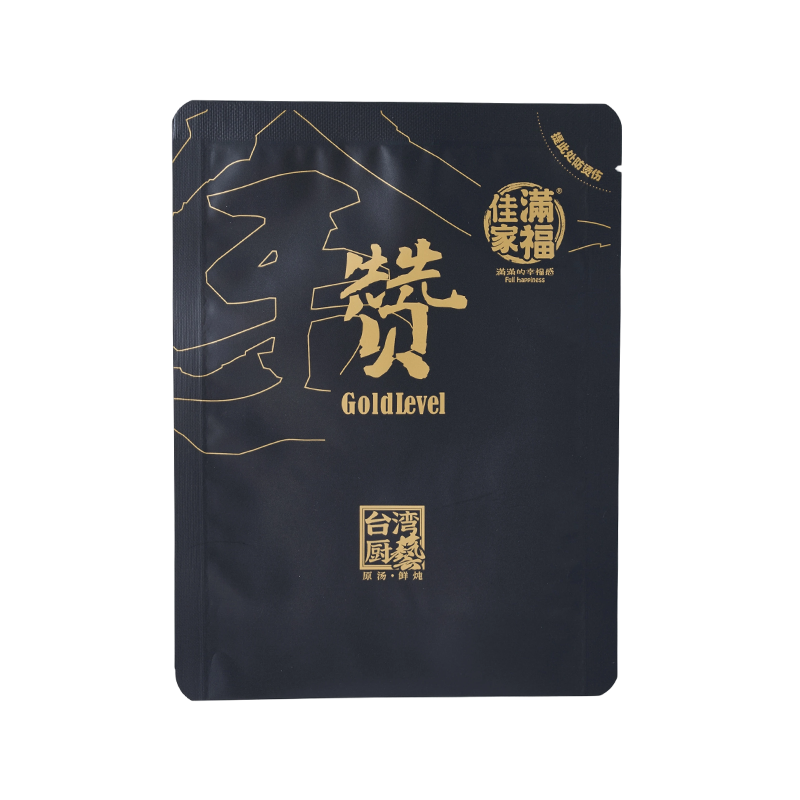
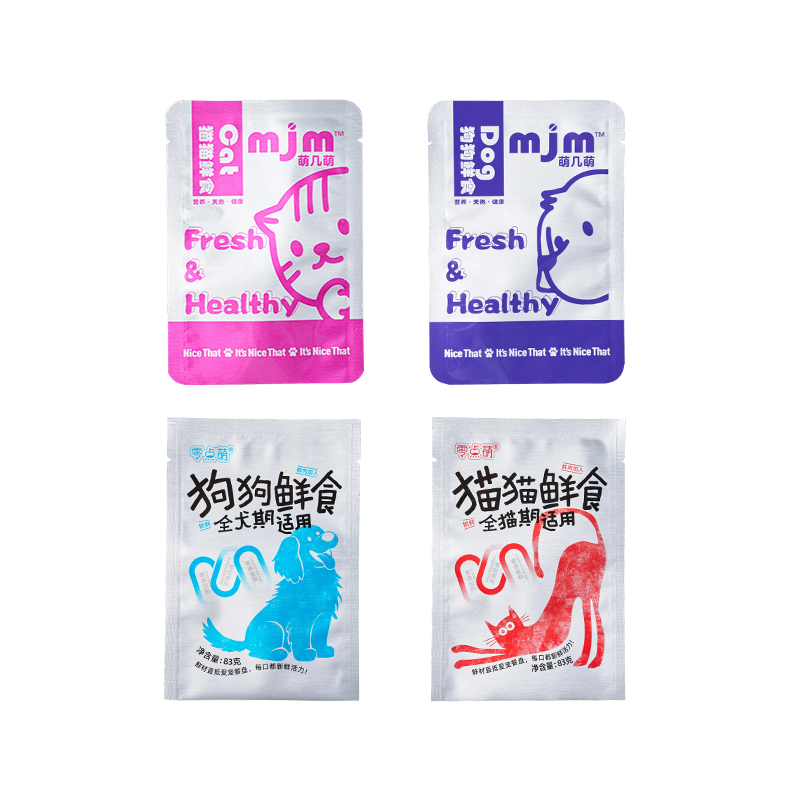
A bag of dog food sits in a warehouse for months before the customer opens it. The kibble inside contains fats that oxidize, vitamins that degrade, and moisture that invites mold. A high barrier pet food packaging bag stops all three. The film structure includes a barrier layer, aluminum foil or metallized film or EVOH, that blocks oxygen and moisture at rates far below standard packaging. The seal holds the barrier at the edges. For pet food brands selling premium kibble with a twelve-month shelf life, the bag is not just a container. It is the preservation system.
The Barrier Layer That Does the Heavy Lifting
Standard pet food bags use polyethylene film, which lets oxygen through at measurable rates. Over months, the oxygen turns fats rancid. The kibble goes stale. A high barrier pet food packaging bag inserts a layer that oxygen cannot pass through.
Aluminum foil is the ultimate barrier. A 7 to 12 micron foil layer blocks oxygen, moisture, and light completely. The product inside stays fresh as long as the seal holds. A high barrier pet food packaging bag with foil is used for premium products and long shelf life requirements.
Metallized PET is a lighter alternative. A thin layer of aluminum is vacuum-deposited onto PET film. The metal coating blocks most oxygen and light while weighing less and costing less than foil. A high barrier pet food packaging bag with metallized PET suits products with a six to twelve month shelf life.
EVOH is a polymer barrier. It blocks oxygen when dry but loses barrier properties when it absorbs moisture. In a multi-layer structure, EVOH is buried between polyethylene layers that keep it dry. A high barrier pet food packaging bag with EVOH is clear, which allows a window on the package.
The Seal That Holds the Barrier at the Edges
The barrier layer is only as good as the seal. Oxygen and moisture can enter through a weak seal even when the film itself is impermeable. A high barrier pet food packaging bag with seal strength tested to the product weight and seal integrity verified through the production run keeps the barrier intact.
The sealant layer is PE or CPP. It fuses under heat and pressure to form the seal. The seal has to be wide enough to resist flex cracking and strong enough to hold the product weight. A high barrier pet food packaging bag with a seal band of 10 millimeters or more provides a reliable barrier at the edges.
The zipper, when present, is the weak point. A zipper is not a barrier. It is a convenience. A high barrier pet food packaging bag with a zipper still relies on the seal above or below the zipper to maintain barrier before opening. After opening, the zipper slows moisture uptake but does not stop it.
Formats That Put the Barrier to Work
The stand-up pouch with a bottom gusset is the standard. It stands on the shelf, holds ten to twenty pounds of kibble, and provides a large front panel for branding. A high barrier pet food packaging bag in stand-up format with a zipper is the premium choice.
The flat bottom bag with side gussets provides a stable base and a large billboard. It is used for larger formats and premium lines. A high barrier pet food packaging bag with a flat bottom and a laser-scored opening gives the consumer a clean, easy open.
The quad seal bag has vertical seals on all four corners, creating a box-like structure. It stands independently and provides flat panels for display. A high barrier pet food packaging bag in quad seal format holds heavy products without sagging.
Here is what a high barrier bag needs to deliver:
- Barrier layer of foil, metallized PET, or EVOH matched to shelf life target
- Sealant layer of PE or CPP with seal strength tested to product weight
- Seal band wide enough to maintain barrier through distribution
- Zipper or laser score for consumer convenience on resealable formats
- Puncture resistance to survive handling and stacking
The Shelf Life Test
A pet food brand sets a shelf life target, usually twelve to eighteen months. The packaging has to hit that target. A high barrier pet food packaging bag with an oxygen transmission rate below one cubic centimeter per square meter per day meets the requirement. Standard packaging runs ten to a hundred times higher.
The product inside is the proof. Accelerated shelf life testing stores the packaged product at elevated temperature and humidity, then measures rancidity, vitamin retention, and moisture content. A high barrier pet food packaging bag that passes accelerated testing is qualified for the product.
What Fails When the Barrier Is Compromised
The seal fails at the corner under product weight. Seal parameters were not validated for the product load. The barrier layer flex-cracks during distribution, creating pinholes that let oxygen in. A high barrier pet food packaging bag with proper film structure resists flex cracking. The zipper separates from the film because the zipper material was incompatible with the film structure.
A high barrier pet food packaging bag keeps kibble fresh from the factory to the bowl. The barrier layer blocks oxygen and moisture. The seal holds the edges. Choose a manufacturer that matches the barrier to the shelf life target, tests the seal to the product weight, and builds the bag to survive distribution. The dog gets fresh food a year after it was packed. That is the point.