

 Español
 عربى
عربى
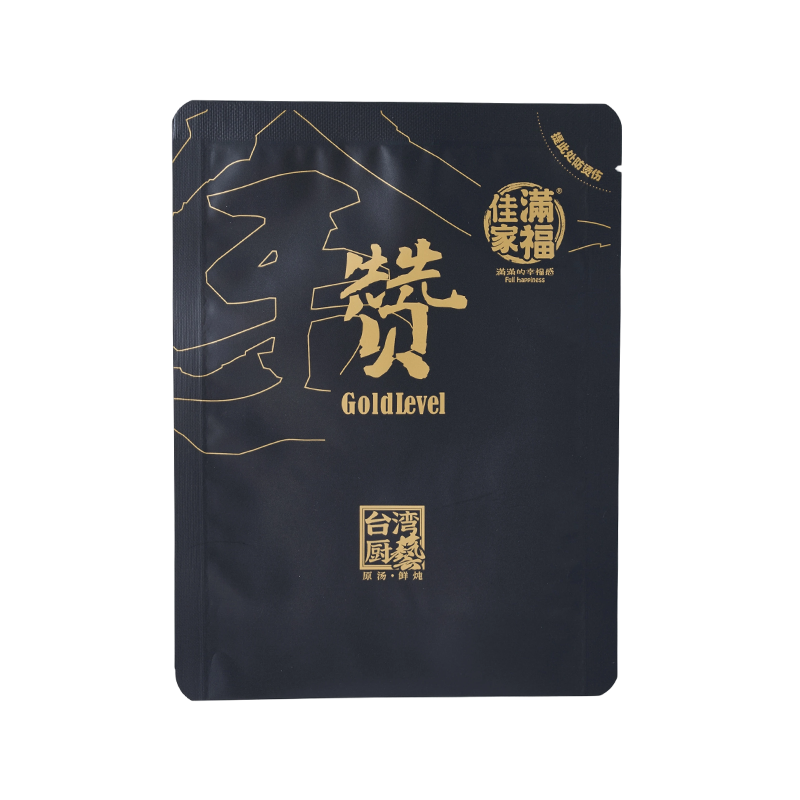
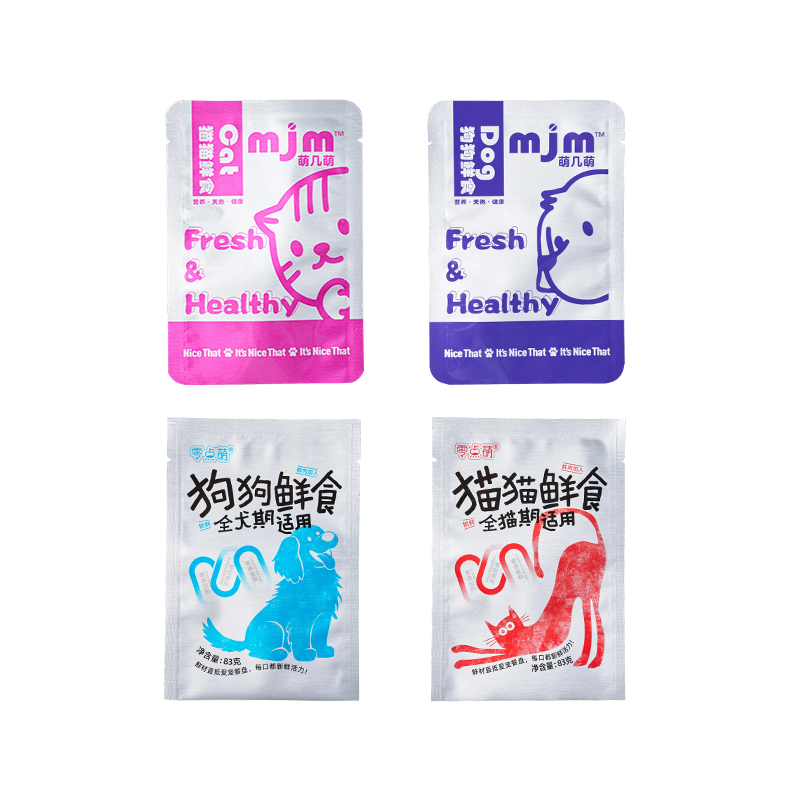
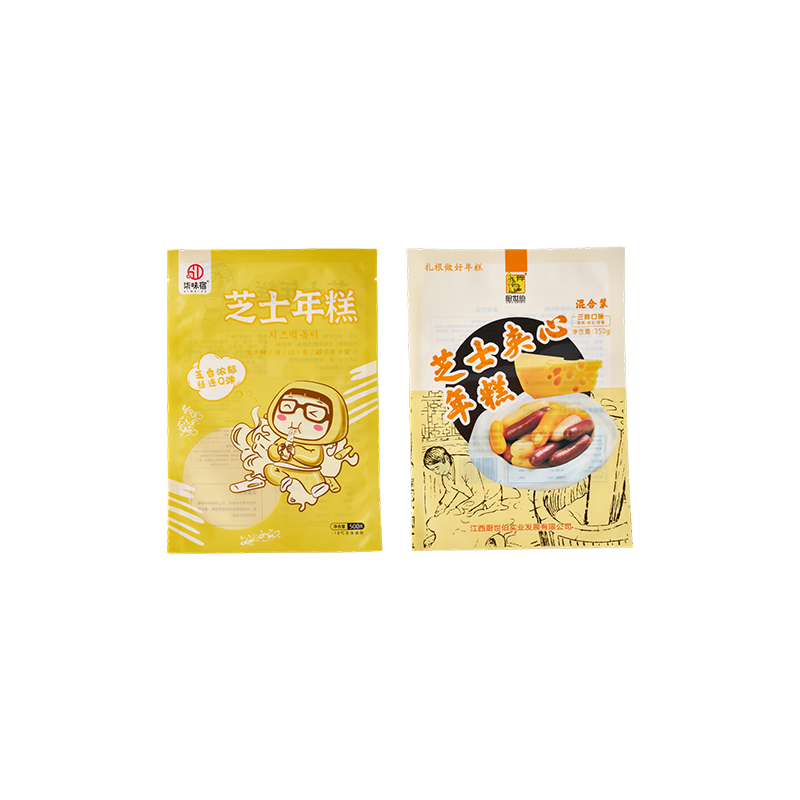
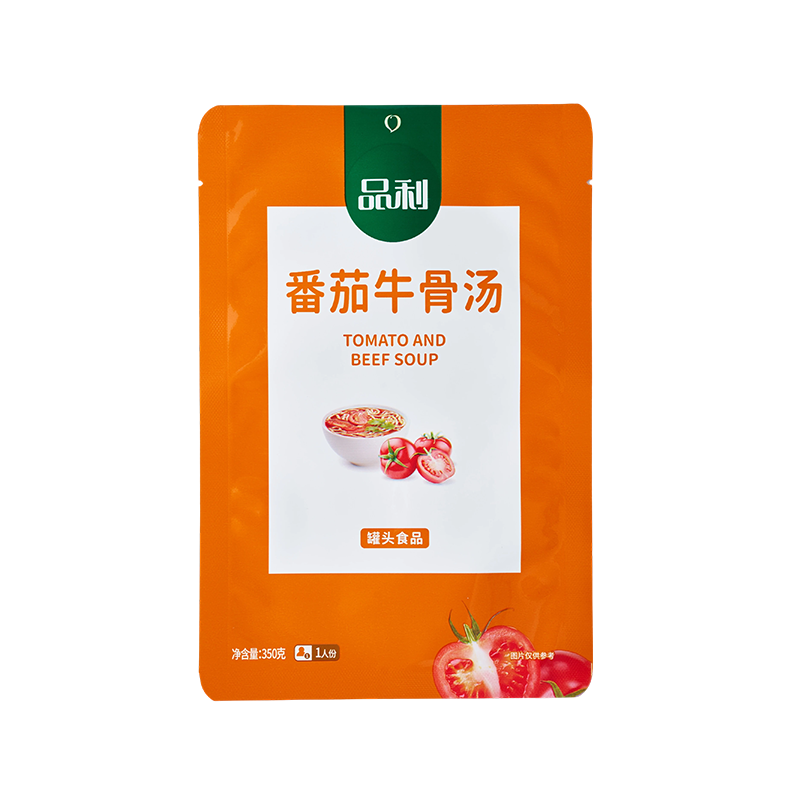
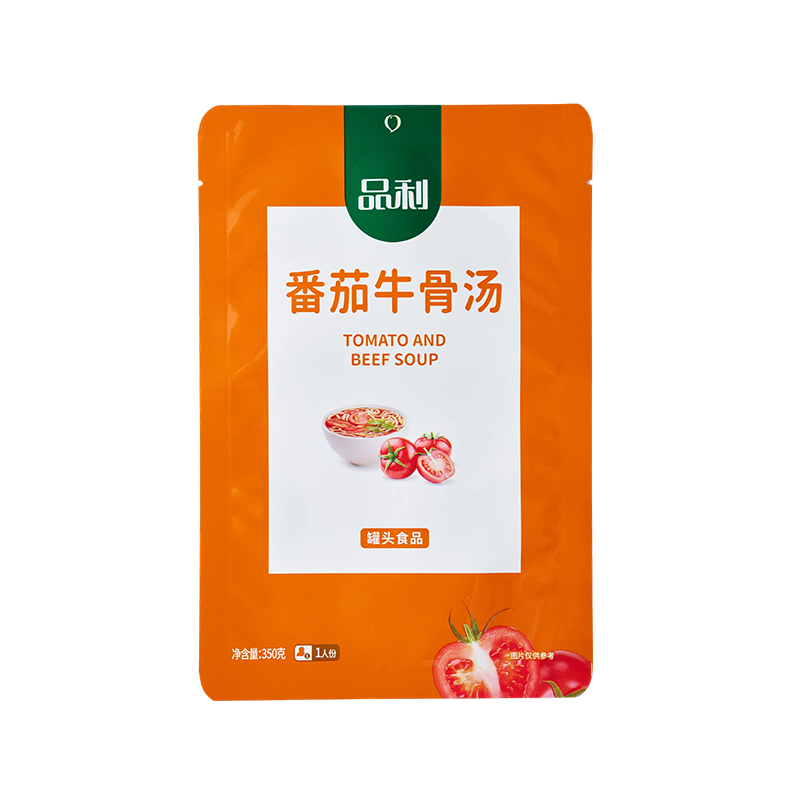
A pouch of curry sits on a shelf at room temperature. Inside, meat and sauce have been cooked at 121 degrees Celsius under pressure, sealed in a flexible package that blocks oxygen, moisture, and light. The package is an aluminum foil retort pouch. It goes from shelf to boiling water or microwave, then opens with a tear. No can opener. No refrigeration. The pouch replaced the metal can for a wide range of foods, from military rations to camping meals to everyday supermarket curries. The foil layer does the work: it keeps the product sterile and stable for a year or more without refrigeration.
Why Aluminum Foil Sits in the Middle of the Film
A retort pouch is a multi-layer laminate. The outer layer is printed polyester for strength and scratch resistance. The middle layer is aluminum foil, usually 7 to 12 microns thick. The inner layer is cast polypropylene, which heat-seals and contacts the food. Each layer has a job. The foil has two: it blocks light and blocks oxygen.
Oxygen degrades fats and changes flavor. Light breaks down vitamins and fades color. Aluminum foil stops both completely. A retort pouch with a foil layer delivers a shelf life of twelve to twenty-four months, depending on the product and the storage temperature.
The foil also provides a barrier that plastic films cannot match. Even metallized PET, which has a thin aluminum coating, allows some oxygen transmission through microscopic pinholes. Solid aluminum foil has zero pinholes at the thickness used in retort pouches. That is why foil pouches hold products longer than metallized pouches.
The Retort Process That Cooks Inside the Pouch
The pouch is filled with food and sealed. Then it goes into a retort vessel, a large pressure cooker. Steam or superheated water raises the temperature to 121 degrees Celsius. The pressure keeps the pouch from bursting. The product cooks inside the sealed pouch.
The pouch materials have to survive this. The polypropylene inner layer softens but does not melt at 121 degrees. The adhesive between layers resists delamination at retort temperature. The foil stays intact. A retort pouch that fails during processing becomes a leaker, and the product is lost.
The seal is the critical point. The seal strength has to hold through the retort cycle, through distribution, and through the consumer reheating the pouch in boiling water. A retort pouch with a seal that weakens after retort fails in the customer's kitchen.
Pouch Formats for Different Products
A stand-up pouch with a bottom gusset holds stews, curries, and sauces. The pouch stands on the shelf and presents the brand. A flat three-side-seal pouch holds rice, beans, and simpler products. A spouted pouch holds soups and drinks. Each format uses the same foil laminate but a different pouch geometry and fill system.
The zipper or tear notch is the convenience feature. A retort pouch with a tear notch opens cleanly without scissors. A pouch with a pour spout reheats and pours in one piece. The convenience is part of the sell.
Here is what a retort pouch needs to deliver:
- Aluminum foil layer of 7 to 12 microns for light and oxygen barrier
- Cast polypropylene inner layer with heat-seal strength at retort temperatures
- Laminate adhesive that resists delamination through the retort cycle
- Seal integrity that holds through processing and reheating
- Tear notch or spout for consumer opening
Shelf Stable Without a Freezer
The pouch replaces the can. It weighs less, ships flatter, and opens easier. A retort pouch heats in boiling water in five to seven minutes, or in a microwave in two. The empty pouch takes a fraction of the landfill space of a steel can.
Military and emergency rations use retort pouches because they are lightweight, durable, and shelf-stable. Camping meals use the same technology. The consumer market for Indian curries, Thai soups, and ready-to-eat rice uses the pouch as the standard package.
What Happens When the Seal Lets Go
A channel leak along the seal edge lets bacteria in after retort. The product looks fine but is no longer sterile. A retort pouch manufacturer with proper sealing parameters and seal inspection systems catches leakers before they ship. Delamination at the foil-adhesive interface from retort heat creates a bubble in the film and a barrier failure. The adhesive grade has to match the retort temperature.
A retort pouch that holds product in and microbes out for a year on the shelf is a package that does its job invisibly. The foil blocks the light. The polypropylene seals the food. Choose a manufacturer that builds the laminate for retort conditions, seals it under validated parameters, and inspects every pouch. The curry will be safe. That is the point.