

 Español
 عربى
عربى
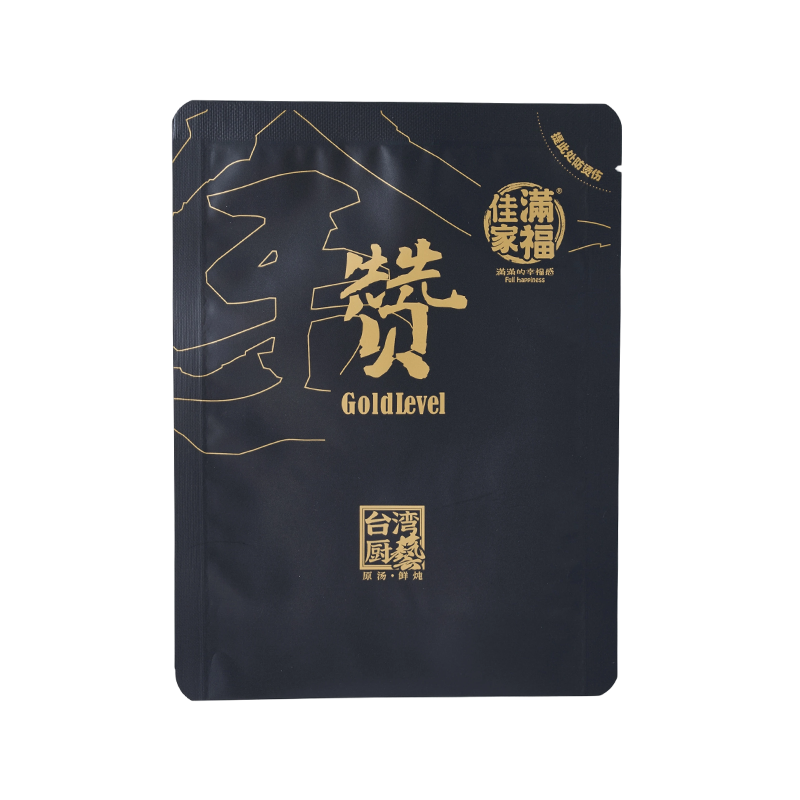
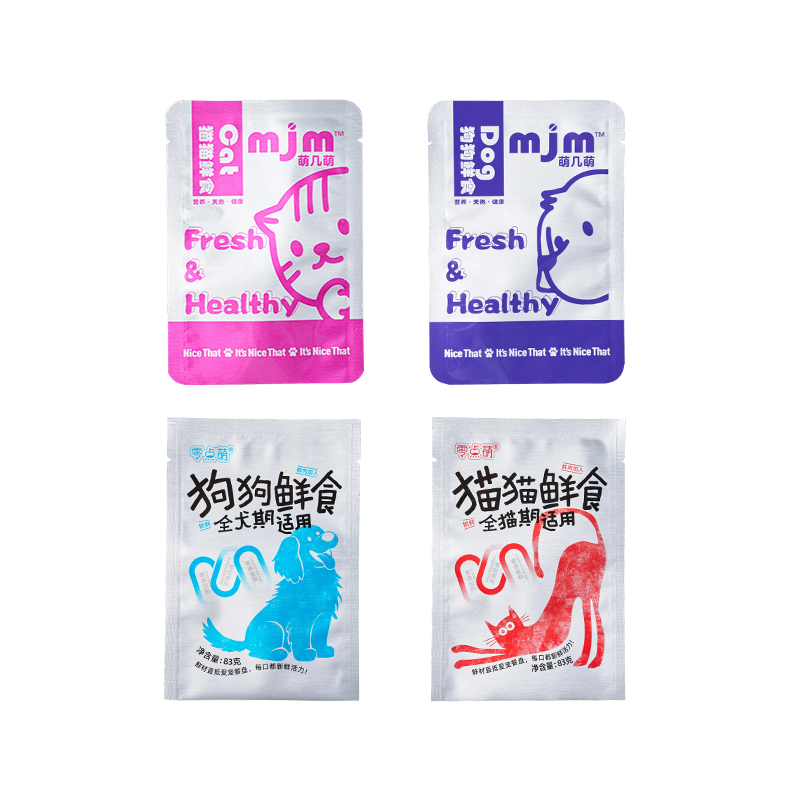
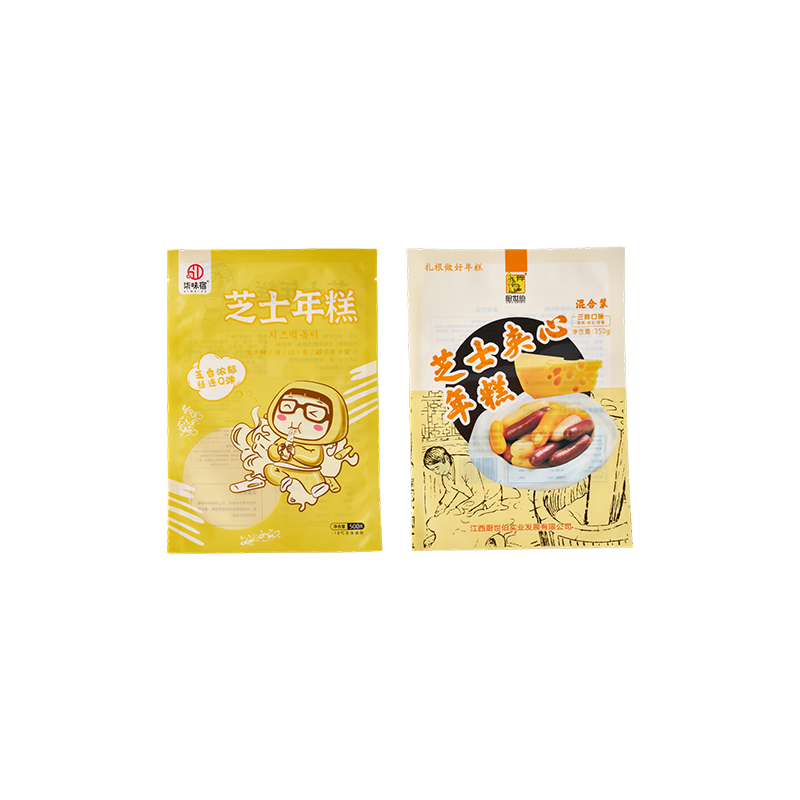
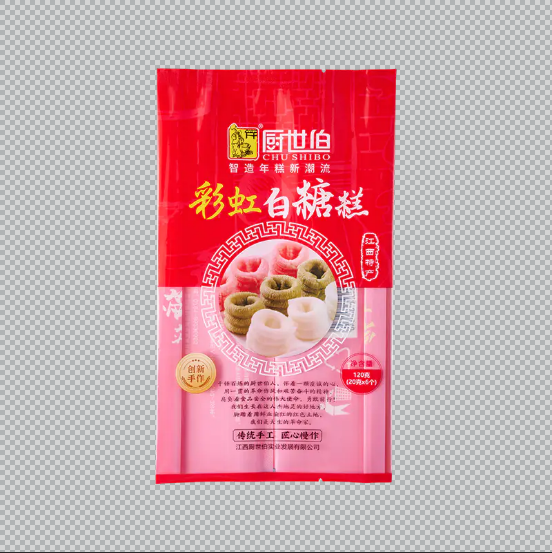
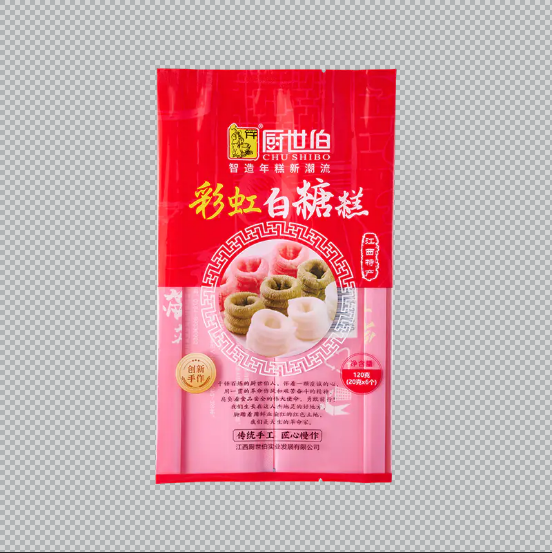
Rice cakes go stale fast. The crisp, airy texture that makes them appealing vanishes when moisture sneaks in. A printed rice cake mid seal bag locks the product inside a barrier pouch with a seal running down the center of the back. The front panel carries the brand artwork. The back tells the nutrition story. The middle seal holds everything together while the bag sits on a shelf or rides in a backpack. A printed rice cake mid seal bag factory produces these pouches for snack brands, private label packers, and health food companies. The film structure, the print quality, and the seal integrity all determine whether the rice cake inside stays crisp until the consumer tears the bag open.
The Film Structure That Blocks Moisture
Rice cakes are hygroscopic. They pull water from the air and turn chewy. The packaging has to stop moisture transmission completely. A printed rice cake mid seal bag uses a multi-layer film structure, typically oriented polypropylene printed on the outside, adhesive laminated to metallized CPP or aluminum foil in the middle, and a heat-sealable polyethylene or CPP layer on the inside.
The metallized layer does the heavy lifting. A microscopic coating of aluminum deposited onto film under vacuum blocks moisture and light. A printed rice cake mid seal bag with a metallized barrier layer extends shelf life from days to months. The thicker the metallization, the better the barrier, up to the point where the film becomes brittle. The factory balances barrier performance with film flexibility.
The inner sealant layer determines seal strength and hot-tack performance. Hot-tack is the seal's ability to hold while still hot from the sealing jaws. Rice cake bags are filled quickly on vertical form-fill-seal machines. The seal has to hold product weight immediately after forming. A printed rice cake mid seal bag with a properly formulated sealant layer holds the seal without stretching or separating on the fill line.
The Mid Seal That Runs Down the Back
A mid seal bag is formed from a single web of film. The film wraps around the product and seals along the center of the back panel, leaving a fin or lap seal that runs vertically from top to bottom. The front of the bag is seamless, giving the brand artwork an uninterrupted canvas.
A printed rice cake mid seal bag factory controls the seal alignment so the printed artwork registers correctly with the seal position. A seal that drifts off-center puts the back panel print in the wrong place and can leave the bag looking crooked on the shelf. Registration marks printed along the film edge guide the sealing jaws on automated packaging machines.
The seal itself has to be strong enough to survive distribution but easy enough for the consumer to tear open. A printed rice cake mid seal bag with a laser-scored tear line or a notch at the top gives the consumer a clean opening without scissors. A bag that requires tearing through the full seal strength frustrates the user and scatters rice cake fragments across the kitchen floor.
Here is what a rice cake bag needs to protect the product:
- Multi-layer film with metallized barrier to block moisture and light
- Inner sealant layer formulated for hot-tack strength on fill lines
- Mid seal aligned with print registration for consistent shelf appearance
- Tear notch or laser score for easy consumer opening
The Print That Sells the Brand
Snack packaging is a billboard. The bag sits at eye level on the shelf, competing with dozens of other products in the same category. A printed rice cake mid seal bag uses rotogravure or flexographic printing to lay down high-resolution artwork on the outer film layer. Rotogravure delivers the highest print quality for long runs. Flexo is more economical for shorter runs and frequent design changes.
Color consistency matters across production batches. A rice cake brand that prints bags in January and again in June expects the brand red to match. A printed rice cake mid seal bag factory using spectrophotometer color matching and retaining print cylinders maintains consistency from run to run. A consumer who sees two different shades of the same brand on the shelf questions which one is the real product.
Matte and gloss finishes differentiate the brand on shelf. A matte finish over a dark background with spot gloss on the logo creates a premium look. A printed rice cake mid seal bag factory offering registered matte and gloss coating adds a tactile element that consumers notice when they pick up the bag.
What Goes Wrong When the Seal Fails
Leakers are the failure that consumers complain about. A small gap in the seal lets moisture in and crispness out. A printed rice cake mid seal bag factory tests seals with burst testing and dye penetration to catch weak seals before the bags ship. A bag that leaks on the shelf loses the sale. A bag that leaks after the consumer opens it for the first time loses the repeat purchase.
Seal contamination is the root cause of most leakers. Product dust, rice cake crumbs, or oil from the filling line gets into the seal area. A printed rice cake mid seal bag with a sealant layer designed to seal through minor contamination reduces the leaker rate. The factory also specifies the clean seal area width so the packaging machine operator can set the jaws correctly.
A printed rice cake mid seal bag wraps a fragile snack in a barrier that blocks moisture, displays the brand, and opens easily. The bag stays on the shelf for weeks or months, protecting the product until someone tears it open. Choose a factory that builds the film structure for moisture barrier, aligns the mid seal with the print, and tests the seals before shipping. The rice cakes will stay crisp. That is what the bag is there to do.